
Role of Praise and Rewards in Strengthening Positive Social Skills
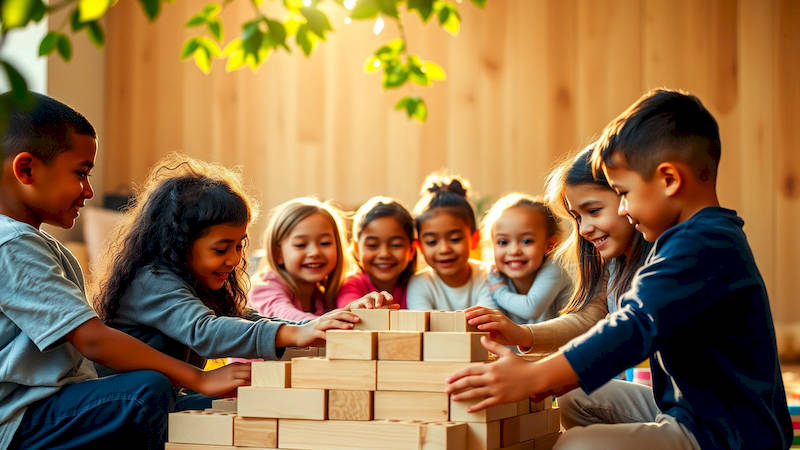
Children navigate a complex social landscape from their earliest years, learning the nuances of interaction, cooperation, and emotional regulation. These skills, collectively known as social skills, are critical for academic success, building healthy relationships, and overall well-being. While innate temperament plays a role, the development of these skills is heavily influenced by environmental factors, and specifically, the way adults respond to a child's social behaviors. Praise and rewards, when thoughtfully applied, are powerful tools for strengthening positive social interactions and fostering a compassionate, collaborative classroom environment. However, their effectiveness hinges on understanding the 'how' and 'why' behind their implementation. This article delves into the nuanced role of praise and rewards in developing social skills, exploring best practices, potential pitfalls, and strategies for maximizing their impact.
- Understanding the Psychology of Positive Reinforcement
- The Nuances of Praise: Beyond “Good Job”
- Rewards Systems: Building Positive Habits
- Addressing Challenges: When Praise and Rewards Backfire
- The Importance of Modeling and Collaboration
- Moving Towards Intrinsic Motivation: Fading Rewards
- Conclusion: A Balanced Approach to Building Social Skills
Understanding the Psychology of Positive Reinforcement
Positive reinforcement, the principle underpinning praise and rewards, is a core tenet of behavioral psychology. Pioneered by B.F. Skinner, the theory suggests that behaviors followed by positive consequences are more likely to be repeated. When a child exhibits a desired social behavior – such as sharing a toy, helping a classmate, or resolving a conflict peacefully – and receives positive attention or a reward, that behavior is reinforced. This doesn’t mean manipulating children; rather, it's about providing clear signals of approval and encouraging the repetition of prosocial actions. The brain’s reward system, specifically the release of dopamine, plays a crucial role. Dopamine creates a feeling of pleasure and motivates us to repeat behaviors that trigger its release.
However, it’s vital to understand that not all positive reinforcement is created equal. Generalized, empty praise like “Good job!” offers little specific information and lacks the power to truly shape behavior. Effective reinforcement is specific, immediate, and focuses on the effort or strategy employed rather than the outcome alone. For example, instead of saying “You’re so smart!”, try “I noticed how patiently you explained the problem to your friend. That was very kind and helpful." This detailed feedback helps the child understand precisely what they did well and encourages them to replicate that specific behavior. Research by Carol Dweck on the “growth mindset” further emphasizes the importance of praising effort and strategy, as it fosters a belief in the ability to learn and improve.
The Nuances of Praise: Beyond “Good Job”
Moving beyond superficial praise requires a conscious effort to be descriptive and genuine. Instead of focusing solely on the result (e.g., “Great picture!”), highlight the process and the qualities that led to it (e.g., “I love the vibrant colors in your picture, and I can see you spent a long time carefully choosing each one.”). This type of praise cultivates intrinsic motivation – the drive that comes from within – rather than reliance on external validation. Furthermore, praise should be tailored to the child's individual needs and developmental level. What motivates a five-year-old will differ significantly from what motivates a ten-year-old.
A common mistake is to overpraise, diluting its impact. Constant, indiscriminate praise can become noise, losing its meaning and potentially leading to the child becoming dependent on external approval. Consider the child who is praised after every minor accomplishment. They may begin to expect praise for even basic tasks, hindering their development of self-efficacy. Instead, focus on praising genuine effort, improvement, or displaying exceptional kindness. Finally, it’s crucial to acknowledge the importance of authentic praise. Children are keenly aware of insincerity, and forced or hollow praise can erode trust and ultimately be counterproductive.
Rewards Systems: Building Positive Habits
Rewards systems, particularly in classroom settings, can be a powerful tool for encouraging positive social behavior. These systems typically involve earning points, tokens, or privileges for demonstrating desired behaviors, which can then be exchanged for a larger reward. However, the design of the reward system is critical. A successful system should be clear, consistent, and age-appropriate. The behaviors targeted for reward should be specifically defined (e.g., “Using kind words,” “Helping a classmate,” “Sharing materials”).
Furthermore, rewards should be varied and engaging, catering to the individual preferences of the children involved. A reward system based solely on material possessions can inadvertently promote materialism and undermine intrinsic motivation. Consider offering non-tangible rewards such as extra playtime, choosing a classroom activity, or being a classroom helper. It’s also important to fade out rewards gradually as the desired behaviors become habituated. The goal is not to create dependency on rewards but to internalize the value of positive social interaction. "Token economies", where students earn tokens for positive behaviour and exchange them for privileges, have been successfully implemented in many classrooms to foster cooperation and reduce disruptive behaviors.
Addressing Challenges: When Praise and Rewards Backfire
While praise and rewards are generally beneficial, they are not without potential downsides. As mentioned previously, overpraising can decrease intrinsic motivation and create a dependence on external validation. Similarly, reward systems can inadvertently incentivize compliance rather than genuine pro-sociality. A child might perform a kind act simply to earn a reward, rather than because they genuinely care about the other person. This can lead to superficial displays of kindness that lack sincerity.
Another challenge is the potential for creating competition and resentment. If a reward system is poorly designed, it can foster a competitive environment where children are focused on outperforming their peers rather than cooperating and supporting one another. It’s important to emphasize collaboration and teamwork and to recognize collective efforts alongside individual achievements. Expert advice from behavioral psychologists like Alfie Kohn stresses the problems of controlling motivation and argues rewards diminish intrinsic interests. Furthermore, praise or rewards used to control behavior can erode a child’s sense of autonomy and self-determination. It’s crucial to balance positive reinforcement with opportunities for choice and self-direction.
The Importance of Modeling and Collaboration
Praise and rewards are most effective when combined with positive role modeling and collaborative learning environments. Children learn by observing the behavior of adults and their peers. Teachers and parents must consistently demonstrate the social skills they wish to cultivate in children, such as empathy, respect, and conflict resolution. This includes actively listening to others, showing kindness, and resolving disagreements peacefully.
Creating a classroom or home environment that fosters collaboration and mutual support is equally important. Encourage children to work together on projects, participate in group activities, and support one another’s efforts. "Peer tutoring" – where students help each other learn – is a powerful strategy for promoting both academic and social skills. When children see their peers engaging in positive social behaviors, they are more likely to emulate those behaviors themselves. Moreover, involve children in the process of establishing classroom or family rules and expectations. When children feel a sense of ownership over the rules, they are more likely to follow them.
Moving Towards Intrinsic Motivation: Fading Rewards
The long-term goal should always be to foster intrinsic motivation – the desire to engage in positive social behaviors simply because they feel good and are aligned with the child's values. To achieve this, gradually fade out extrinsic rewards as the desired behaviors become more consistent. Start by reducing the frequency of rewards, then transitioning to verbal praise and recognition.
Encourage self-reflection by asking children how they felt when they exhibited a particular social skill. Did they feel proud of themselves? Did they enjoy helping others? Help them connect the positive feeling with the behavior itself. By focusing on the intrinsic rewards of pro-sociality, you can empower children to become self-motivated, compassionate, and responsible individuals. A focus on building strong relationships and fostering a sense of belonging can also play a crucial role in promoting intrinsic motivation. When children feel connected to their community, they are more likely to want to contribute positively to it.
Conclusion: A Balanced Approach to Building Social Skills
The effective use of praise and rewards is a nuanced art, requiring careful consideration of the child's individual needs, developmental level, and the broader context of their social environment. While positive reinforcement is a powerful tool, it's crucial to avoid the pitfalls of overpraising, creating dependency, or incentivizing superficial behavior. The most successful approach involves a balance of specific, genuine praise, thoughtfully designed reward systems, positive role modeling, and a focus on fostering intrinsic motivation. By shifting the focus from external validation to internal satisfaction, we can empower children to develop the social skills they need to thrive – not just in the classroom, but throughout their lives. Remember, the goal is not simply to get children to behave, but to help them become kind, compassionate, and socially responsible individuals with a deep-seated desire to contribute positively to the world around them. The key takeaway is that positive reinforcement is a tool, and like any tool, its effectiveness depends on how skillfully it is wielded.
Deja una respuesta