
Nature-Based Crafts That Teach Little Ones About the Environment
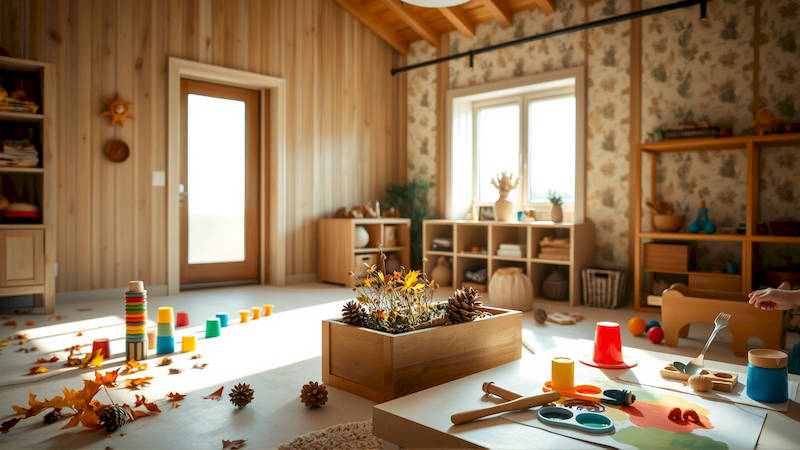
The connection between children and the natural world is a profound one, intrinsically linked to their development and well-being. In an increasingly digital and urbanized world, it’s more crucial than ever to foster this connection early on. Nature-based crafts aren't just about creating pretty things; they’re powerful tools for environmental education, sensory exploration, and cognitive development. They offer a hands-on, playful way for young children to learn about ecosystems, sustainability, and their place within the larger environment. These activities provide opportunities to explore textures, colors, shapes, and patterns found in nature, boosting creativity and fostering a deep appreciation for the world around them.
Beyond the immediate benefits of creative expression and skill-building, engaging in nature-based crafts cultivates a sense of stewardship. When children actively use natural materials—leaves, twigs, stones—in a respectful and creative way, they begin to value those resources. This intrinsic valuing becomes the foundation for environmentally responsible behavior later in life. Studies show that children who have positive experiences in nature are more likely to become adults who advocate for environmental protection. These experiences aren't merely supplemental; they are foundational to building a generation committed to sustainability.
This article explores a range of nature-based crafts designed for early childhood, providing detailed instructions and explaining the developmental benefits of each activity. We’ll look at not just how to create, but why these crafts are so effective for learning and fostering environmental awareness. Ultimately, the goal is to empower parents and educators to unlock the inherent educational potential found within the natural world.
- Leaf Rubbings: Textural Exploration and Botanical Study
- Nature Collages: Composition, Creativity, and Ecosystem Building
- Seed Bombs: Biodiversity, Germination, and Responsibility
- Pinecone Bird Feeders: Wildlife Support, Sensory Exploration, and Observation
- Nature Paintbrushes: Innovative Art Supplies & Material Sourcing
- Mud Painting: Embracing Messy Play and Earth Connection
Leaf Rubbings: Textural Exploration and Botanical Study
Leaf rubbings are a classic for a reason — they are incredibly simple, engaging, and educational. This activity is suitable for even very young children, fostering fine motor skills and an appreciation for the unique textures of different leaves. Gathering the leaves themselves is the first learning opportunity. Encourage children to observe the variations in shape, size, and vein patterns. Discuss where the leaves come from and what trees they belong to. Emphasize the importance of collecting leaves that have already fallen to the ground, reinforcing the concept of respecting living plants.
To create a leaf rubbing, children place a leaf under a piece of paper and gently rub the side of a crayon over the paper. The pressure transfers the leaf’s texture onto the paper, creating a beautiful impression. Experimenting with different colored crayons allows for artistic expression and color mixing. This seemingly simple activity introduces botanical concepts in an accessible way. By observing the vein patterns, children begin to understand how leaves are structured to transport water and nutrients. It's also a perfect segue into discussing photosynthesis, albeit in a simplified manner.
Beyond the scientific aspects, leaf rubbings encourage mindful observation. Children must slow down and feel the texture of the leaf, noticing its intricacies. This practice strengthens their sensory awareness and develops focus. You can extend the activity by creating a leaf rubbing "collection," categorizing leaves by shape, size, or tree type. This introduces early classification skills and reinforces the diversity of the natural world.
Nature Collages: Composition, Creativity, and Ecosystem Building
Nature collages move beyond single material exploration and encourage children to synthesize a variety of natural elements to create a larger artistic composition. These materials could include leaves, flowers, twigs, seeds, pebbles, and sand. The process of gathering these items becomes an exciting scavenger hunt, encouraging children to explore their surroundings with curiosity. Again, emphasize responsible collection practices—only gathering fallen materials. Discuss the origins of each item, prompting questions like, "Where do you think this seed came from?" or "What kind of tree did this twig fall from?".
Creating the collage itself promotes creativity and problem-solving skills. Children must decide how to arrange the materials, considering color, texture, and shape. They learn to use glue or other adhesives (ensure non-toxic options!) to secure the items to a backing—paper, cardboard, or even a piece of wood. This is also an excellent opportunity to talk about ecosystems. Can they create a collage that represents a forest floor, a meadow, or a stream? Encouraging them to think about the interconnectedness of these elements fosters a deeper understanding of how nature works.
Consider extending this activity by asking children to tell a story about their collage. What animals live in this environment? What happens during different seasons? This narrative component strengthens language skills and encourages imaginative thinking. A nature collage is not just an artwork; it’s a mini-ecosystem, a storytelling tool, and a reflection of a child’s connection to the natural world.
Seed Bombs: Biodiversity, Germination, and Responsibility
Seed bombs, while requiring a bit more adult supervision, are an incredibly rewarding activity that teaches children about plant life cycles, biodiversity, and responsible environmental action. These small spheres of clay, compost, and seeds can be "planted" in bare patches of soil to help wildflowers and other native plants thrive. This demonstrates active participation in environmental improvement, rather than just observation. It empowers children to feel like they are making a tangible difference.
The process of making seed bombs involves mixing clay, compost, and seeds in specific proportions. This hands-on activity teaches children about the importance of healthy soil and the conditions needed for seeds to germinate. Discuss the role of each ingredient – the clay holds everything together, the compost provides nutrients, and the seeds contain the potential for new life. It’s a miniature lesson in botany. Choosing native wildflower seeds is crucial; this reinforces the importance of supporting local ecosystems and avoiding invasive species.
Once the seed bombs are ready, children can “plant” them by gently tossing them into areas that could benefit from some greening. Discuss the importance of choosing appropriate locations – avoiding private property and ensuring the area is accessible to sunlight and water. Seed bombs provide a powerful lesson in responsibility. Children learn that even small actions can have a big impact on the environment, and that nurturing life requires patience and care.
Pinecone Bird Feeders: Wildlife Support, Sensory Exploration, and Observation
Creating pinecone bird feeders is a fantastic way to connect children with local wildlife and learn about their needs. This activity encourages empathy and responsibility by providing a food source for birds, particularly during colder months. Gathering pinecones provides an opportunity for a nature walk, focusing on identifying different types of trees and discussing the role of pinecones in the forest ecosystem.
To create the bird feeder, children spread peanut butter (ensure allergy considerations are addressed!) all over the pinecone, then roll it in birdseed. The peanut butter acts as an adhesive for the seeds, creating a tasty and nutritious treat for feathered friends. It’s a wonderful sensory experience - the sticky peanut butter, the crunchy seeds, and the textured pinecone. Once completed, the bird feeder can be hung from a tree branch or placed in a bird feeder.
The real learning begins with observation. Encourage children to watch for birds visiting the feeder, noting their different species, behaviors, and songs. This activity fosters a sense of wonder and appreciation for biodiversity. It also highlights the importance of providing habitat for wildlife and the role humans can play in supporting ecosystems. Maintaining the bird feeder, refilling it with seed, and cleaning it regularly, further reinforces a sense of responsibility and commitment to caring for the environment.
Nature Paintbrushes: Innovative Art Supplies & Material Sourcing
This craft encourages kids to look at nature as a source of art supplies, rather than just something beautiful to admire. Instead of traditional paintbrushes, children use natural materials like twigs, grasses, flowers, and leaves to apply paint to paper. This activity sparks creativity and encourages experimentation with different textures and patterns.
Gathering materials is key. Ask kids to consider which parts of plants might work well for painting. A fluffy flower head might create a soft, speckled effect, while a sturdy twig could be used for bold strokes. Discuss the different properties of each material—how flexible it is, how much paint it holds, and how it feels to the touch. The process of binding the natural materials together, using twine or rubber bands, also develops fine motor skills.
The results are remarkably varied and often unpredictable, fostering an acceptance of imperfection and the beauty of natural variation. This activity moves away from prescriptive art projects and shifts the focus to open-ended exploration. It's an invitation to see the potential for creativity in unexpected places and to appreciate the unique qualities of natural materials. It also subtly emphasizes resourcefulness and reducing waste.
Mud Painting: Embracing Messy Play and Earth Connection
This perhaps is the messiest of all crafts described but incredibly fulfilling and directly connects children to the earth. Creating paint from mud, water, and sometimes natural pigments like berries or crushed flowers allows children to explore the tactile qualities of earth and embrace the joy of messy play. It is a sensory explosion, offering an immediate and visceral connection to the natural world.
The process of creating the mud paint itself is a lesson in experimentation. Children can test different types of soil, adding more or less water to achieve the desired consistency. Adding natural pigments like crushed berries, spinach, or beetroot introduces color mixing and exploration of plant-based dyes. Emphasize the importance of using non-toxic materials and avoiding areas that may have been treated with chemicals.
Mud painting provides a unique and liberating artistic experience. Unlike traditional paints, mud paint is temporary and ephemeral, encouraging children to focus on the process rather than the product. It's about the joy of creating, the feel of the mud between their fingers, and the connection to the earth. This activity encourages a sense of freedom and a willingness to embrace mess and imperfection.
In conclusion, incorporating nature-based crafts into a child’s learning experience is a powerful way to foster environmental awareness, cultivate creativity, and promote holistic development. These activities offer opportunities for sensory exploration, scientific discovery, and artistic expression, all while fostering a deep appreciation for the natural world. The key takeaway is that learning about the environment doesn’t need to be confined to textbooks and documentaries. It can be a hands-on, playful adventure that engages all the senses and inspires a lifelong commitment to stewardship. By simply providing children with the materials and encouragement to explore, create, and connect with nature, we empower them to become the environmental advocates of tomorrow. Encourage your little ones to gather, create, and explore – the world is their classroom!
Deja una respuesta