
Introducing Kids to Robotics Through Local Workshops and Kits
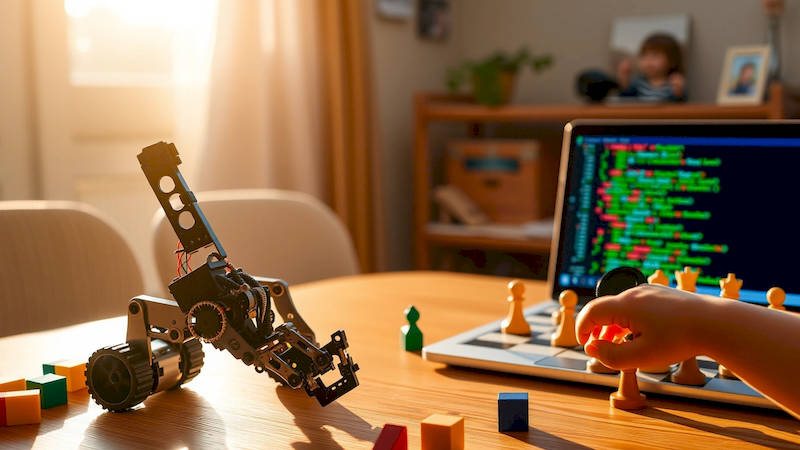
In a world increasingly shaped by technology, fostering an early interest in STEM (Science, Technology, Engineering, and Mathematics) fields is more crucial than ever. Robotics, a captivating intersection of these disciplines, offers a particularly potent avenue for nurturing problem-solving skills, computational thinking, and creativity in children. It’s no longer simply about building robots; it's about building future innovators. Initial exposure may seem daunting, but accessible pathways exist through local workshops and thoughtfully designed robotics kits, making this exciting field attainable for kids of all ages and backgrounds.
The benefits extend far beyond potential career paths. Robotics promotes logical reasoning, collaboration, and perseverance – skills highly valued in any profession. Engaging with robotics encourages children to view challenges as opportunities for experimentation and iterative design. It fosters a “growth mindset” where failure isn’t feared, but seen as a crucial step toward improvement. As automation and artificial intelligence continue to reshape the job market, the foundational skills gained through robotics education will be invaluable.
This article provides a comprehensive guide to introducing your child to the world of robotics, exploring both the advantages of structured workshops and the benefits of hands-on learning with robotics kits. We’ll delve into age-appropriate options, cost considerations, and resources to help you embark on this exciting educational journey, ensuring your child is well-equipped to thrive in the technology-driven future. Ultimately, the goal isn't to create a generation of roboticists (though that's a fantastic outcome!), but to cultivate a generation of confident, capable problem-solvers.
- Why Robotics for Kids? The Core Educational Benefits
- Navigating the Landscape: Robotics Workshops vs. Kits
- Age-Appropriate Options: From LEGO Education to Advanced Platforms
- Funding Your Robotics Journey: Costs and Resources
- Finding Local Workshops and Clubs: A Step-by-Step Guide
- Beyond the Build: Encouraging Continued Engagement
- Conclusion: Laying the Foundation for a Tech-Savvy Future
Why Robotics for Kids? The Core Educational Benefits
Robotics isn’t just another "tech toy"; it’s a pedagogical tool with profound educational benefits. The process of designing, building, programming, and troubleshooting a robot intrinsically reinforces multiple STEAM concepts. For instance, constructing a robot requires understanding of mechanical principles like levers, gears, and structural integrity – directly tying into physics and engineering. Programming the robot necessitates logical thinking, algorithmic design, and debugging skills, strengthening computational thinking and fostering a deeper grasp of mathematics.
Furthermore, robotics education cultivates crucial “soft skills” often overlooked in traditional academic settings. Collaborative robotics projects teach children how to work effectively in teams, communicate ideas clearly, and share responsibilities. The iterative design process inherent in robotics projects – building, testing, analyzing, and refining – builds resilience and a willingness to embrace failure as a learning opportunity. As Michelle Obama famously said, “There is no magic to achievement. It’s really about hard work, choices, and persistence.” Robotics embodies this concept perfectly, rewarding persistence and thoughtful problem-solving.
The impact isn't limited to abstract skill development. Research shows that students involved in robotics programs demonstrate improved performance in math and science, heightened engagement in school, and increased interest in pursuing STEM careers. A study by the Robotics Education & Competition Foundation found that 83% of students participating in robotics competitions considered pursuing a STEM-related field of study, significantly higher than the national average. This demonstrates how hands-on robotics fosters genuine interest and sets a positive trajectory for future academic and professional pursuits.
Navigating the Landscape: Robotics Workshops vs. Kits
Choosing between robotics workshops and kits is a common dilemma for parents. Workshops typically offer a structured learning environment led by experienced instructors. These often follow a pre-defined curriculum, introducing fundamental concepts progressively. Workshops provide a social learning experience, encouraging collaboration and peer interaction. They also relieve parents of the responsibility of guiding the learning process, which can be particularly valuable for those with limited experience in robotics. However, workshops can be more expensive and may have limited scheduling options.
Robotics kits, on the other hand, offer greater flexibility and self-paced learning. Kits range in complexity, from simple drag-and-drop coding systems for younger children to more advanced kits requiring text-based programming for older students. They’re often more affordable than workshops and allow children to learn at their own pace, revisiting concepts as needed. The downside is that they require more parental involvement or independent learning skills. Selecting the right kit requires careful consideration of a child's age, experience, and learning style.
The optimal approach often involves a combination of both. A workshop can provide a strong foundation, while a kit allows for continued exploration and project-based learning at home. Consider a beginner workshop to spark initial interest, followed by a kit to reinforce those concepts and encourage independent experimentation. Ultimately, the best choice depends on your child’s individual needs and your family’s resources and time commitment.
Age-Appropriate Options: From LEGO Education to Advanced Platforms
The robotics landscape caters to a wide range of ages and skill levels. For the youngest learners (ages 5-7), LEGO Education WeDo 2.0 is an excellent starting point. It utilizes a visual, icon-based programming interface that allows children to build simple robots and control their movements. This emphasizes foundational concepts like sequencing and cause-and-effect without requiring complex coding knowledge. It encourages storytelling and creativity as children integrate robotics with imaginative play.
Moving up to the 8-12 age range, LEGO MINDSTORMS Robot Inventor becomes a powerful tool. This kit introduces more advanced programming concepts using a block-based coding environment (similar to Scratch) and offers more complex building possibilities. It also supports Python programming, allowing older or more advanced children to delve into text-based coding. Simultaneously, VEX Robotics kits begin to appear as suitable options, offering a more robust platform designed for competitive robotics but still accessible to beginners with guidance.
For teenagers and aspiring engineers (ages 13+), platforms like Arduino and Raspberry Pi open up a world of possibilities. These require significantly more programming experience (typically in C++ or Python) and provide complete control over the robot’s hardware and software. These platforms are often used in high school robotics competitions like FIRST Robotics and VEX Robotics, offering valuable teamwork and problem-solving experiences. The key is choosing a platform that aligns with the child's maturity level, interests, and current coding proficiency.
Funding Your Robotics Journey: Costs and Resources
The cost of robotics education can vary significantly depending on the chosen approach. Local workshops typically range from $150 to $500+ for a single session or multi-week program. Robotics kits can range from $100 for a basic LEGO WeDo 2.0 kit to upwards of $400+ for more advanced kits like LEGO MINDSTORMS or VEX Robotics. Fortunately, numerous resources can help offset these costs.
Many schools and community centers offer after-school robotics clubs or workshops at reduced rates. Local libraries often host free robotics programs or have kits available for loan. Online platforms like Code.org offer free robotics courses and tutorials utilizing virtual simulation environments. Exploring grant opportunities specifically aimed at supporting STEM education in schools and communities is also worthwhile.
Furthermore, consider purchasing used robotics kits or utilizing online marketplaces like eBay or Craigslist to find discounted options. Don't underestimate the power of DIY robotics using readily available materials and basic electronic components – this can be a fun and cost-effective way to introduce fundamental concepts. Scholarships are also available for competitive robotics programs like FIRST Robotics, reducing financial barriers to participation.
Finding Local Workshops and Clubs: A Step-by-Step Guide
Locating quality robotics workshops and clubs requires a bit of research, but the rewards are well worth the effort. Start by contacting your local school district and inquiring about after-school STEM programs or robotics clubs. Community centers, YMCA/YWCA branches, and Boys & Girls Clubs often offer similar programs. Online search engines (Google, Bing) can be used to search for "robotics workshops [your city/town]" or "STEM clubs [your zip code]".
Check websites like Eventbrite and Meetup.com for upcoming robotics workshops and events in your area. Don't overlook university and college engineering departments – they may host robotics summer camps or outreach programs for high school students. Once you've identified potential options, carefully evaluate the program's content, instructor qualifications, and student-teacher ratio.
Read online reviews and testimonials from other parents to gather insights into the program's quality. Reach out to the program organizers and ask questions about the curriculum, learning objectives, and safety protocols. If possible, attend an open house or trial session to observe the program firsthand and determine if it's a good fit for your child's learning style and interests.
Beyond the Build: Encouraging Continued Engagement
Introducing a child to robotics is just the first step; fostering continued engagement is equally important. Encourage your child to participate in robotics competitions like FIRST LEGO League, VEX Robotics, or Botball. These provide opportunities to apply their skills in a challenging and collaborative environment. Support their interest by providing access to additional learning resources, like online tutorials, robotics magazines, and books.
Celebrate their successes, both big and small, and emphasize the importance of learning from failures. Create a dedicated space for building and experimenting with robots, and encourage them to collaborate with friends and classmates. Help them find mentors or role models in the STEM field. Most importantly, show genuine interest in their projects and provide ongoing encouragement and support. As Sir Isaac Newton advised, “If I have seen further it is by standing on the shoulders of giants.” Providing support and resources allows children to stand on those shoulders and reach new heights.
Conclusion: Laying the Foundation for a Tech-Savvy Future
Introducing kids to robotics is more than just a fun activity; it’s an investment in their future. By fostering problem-solving skills, computational thinking, and creativity, robotics education equips children with the tools they need to thrive in a rapidly evolving technological landscape. Whether through the structured environment of workshops or the hands-on exploration of robotics kits, there are numerous pathways to ignite a passion for STEM.
Remember to consider your child's age, interests, and learning style when choosing the right approach. Explore local resources, take advantage of available funding options, and encourage continued engagement through competitions and collaborative projects. The key is to create a supportive and stimulating learning environment where they can experiment, innovate, and discover the boundless possibilities of robotics. By nurturing their curiosity and empowering them to build the future, we can ensure they are well-prepared to tackle the challenges and opportunities that lie ahead.
Deja una respuesta