
Using Positive Reinforcement to Motivate Early Learning Behaviors
The foundation of a child’s future success is largely laid in their early years. These formative experiences aren’t solely about mastering ABCs and 123s; they’re about cultivating a love of learning, building self-esteem, and developing the drive to explore and grow. While structured lessons and educational toys are valuable tools, the single most impactful element in fostering these crucial traits is often surprisingly simple: positive reinforcement. Moving beyond generic praise like “good job,” and consciously utilizing strategies that acknowledge effort, progress, and positive behaviors can dramatically shape a child’s attitude towards learning and their overall development.
Many parents struggle with effectively motivating their children, often resorting to rewards or punishments that can inadvertently undermine intrinsic motivation. The challenge lies in understanding the nuanced science behind reinforcement and applying it in a way that feels authentic and nurturing. This isn't about creating compliant children; it's about igniting a genuine curiosity and passion for learning that will serve them throughout their lives. This article will dive deep into the power of positive reinforcement, equipping parents with practical strategies to encourage early learning behaviors in a meaningful and effective way.
- Understanding the Science Behind Positive Reinforcement
- The Art of Specific Praise: Beyond "Good Job!"
- Reinforcing Effort and Persistence: The Power of "Yet"
- Shaping Positive Behaviors: Small Steps and Gradual Expectations
- Beyond Verbal Praise: Non-Verbal Reinforcement and Environmental Adjustments
- Addressing Challenges: When Positive Reinforcement Doesn't Seem to Work
- Conclusion: Cultivating a Lifelong Love of Learning
Understanding the Science Behind Positive Reinforcement
Positive reinforcement, at its core, is a psychological principle stating that behaviors followed by positive consequences are more likely to be repeated. This isn’t about merely offering treats or tangible rewards, though those can have a place; it’s about providing affirming acknowledgment, encouraging words, and opportunities for successful experiences. The power of this approach stems from how our brains are wired. When a child experiences something positive after a behavior, dopamine is released, creating a pleasurable sensation that reinforces the connection between the action and the reward.
Crucially, the most effective reinforcement isn’t always material. In fact, relying heavily on tangible rewards can sometimes diminish intrinsic motivation over time. Psychologist Edward Deci, a leading researcher in self-determination theory, demonstrated that external rewards can erode internal motivation when they are perceived as controlling rather than acknowledging competence. This means that consistent, genuine praise focused on effort and specific actions is far more powerful than a constant stream of toys or sweets. The goal isn’t to bribe a child into learning, but to help them feel good about learning.
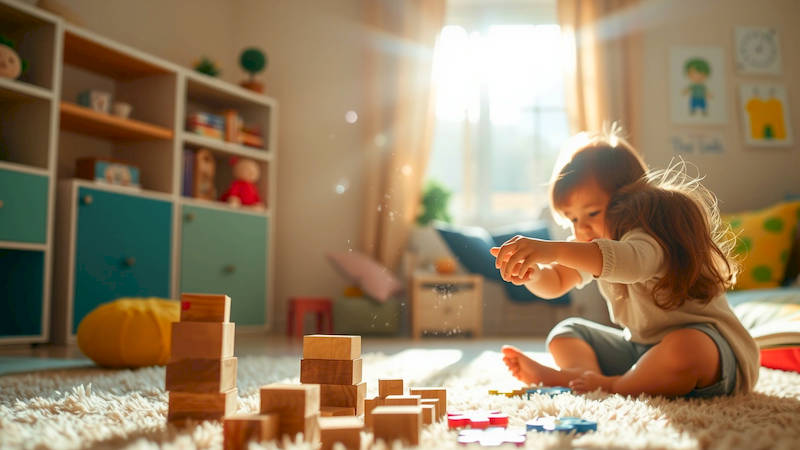
Furthermore, understanding the timing of reinforcement is vital. Immediate reinforcement – providing praise or acknowledgement right after the desired behavior – is far more effective than delayed praise. A child is more likely to connect the positive consequence to their action when the response is instantaneous. Consider a child attempting to build a tower of blocks: praising their persistence and structural choices as they build, rather than only at the completed tower, will reinforce the process of building, not just the final outcome.
The Art of Specific Praise: Beyond "Good Job!"
The phrase “good job” is ubiquitous in parenting, but it’s often surprisingly ineffective. Its vagueness leaves children unsure of what they did well. Specific praise, on the other hand, clearly identifies the behaviors you want to encourage, making it far more impactful. Instead of “good job,” try saying, "I noticed how carefully you lined up those blocks – that shows great concentration!" or “I love how you kept trying even when the puzzle piece didn’t fit the first time; that’s amazing perseverance!”
The key to specific praise lies in focusing on the process, not just the outcome. A child might struggle to write their name perfectly, but praising their effort, their letter formation attempts, or the fact that they’re holding the pencil correctly reinforces the behaviors that will lead to success. This approach builds a growth mindset—the belief that abilities are developed through dedication and hard work—which is critical for long-term learning. Stanford psychologist Carol Dweck's research consistently demonstrates the positive impact of fostering a growth mindset in children, emphasizing that praising effort and strategies, rather than inherent intelligence, leads to greater resilience and achievement.
Remember to tailor your praise to the individual child. What motivates one child might not motivate another. Observing your child's reactions to different types of praise can help you refine your approach. For some, verbal acknowledgment might be enough, while others might benefit from a high-five, a hug, or a shared moment of excitement.
Reinforcing Effort and Persistence: The Power of "Yet"
Children often become discouraged when they encounter challenges. They might say, “I can’t do it!” or give up easily. This is where the power of "yet" comes into play. Adding "yet" to the end of a statement of inability transforms it into a statement of potential. Instead of acknowledging "I can’t draw a horse," reframe it as "I can’t draw a horse yet.” This simple word instills a sense of hope and encourages continued effort.
Coupled with specific praise, this technique is incredibly powerful. If a child is struggling with a math problem, you might say, "This problem is tricky, and you haven't solved it yet. I notice you're trying different strategies, and that's fantastic!" This validates their struggle and reinforces their effort. It shifts the focus from achieving immediate success to embracing the learning process. Constantly reminding children that learning is a journey, not a destination, builds resilience and a willingness to persevere.
Creating a “safe to fail” environment is also crucial. Children need to know that making mistakes is a natural part of learning. Avoid criticism or judgment when they struggle. Instead, offer support and encouragement, emphasizing that mistakes are opportunities for growth.
Shaping Positive Behaviors: Small Steps and Gradual Expectations
Expecting too much too soon can lead to frustration and discouragement. Instead of setting lofty goals, break down learning tasks into smaller, more manageable steps. For example, if you want your child to learn to tidy up their toys, don’t simply say, “Clean your room!” Instead, start with a single directive: “Let’s put all the blocks in the box.” Once they’ve mastered that step, you can gradually increase the complexity: “Now let’s put the books on the shelf.”
This approach, known as shaping, involves reinforcing successive approximations of the desired behavior. Each small step towards the goal is acknowledged and praised, gradually building towards the ultimate outcome. This method is particularly effective for children who are easily overwhelmed or who lack confidence. It provides a sense of accomplishment at each stage, boosting their motivation and encouraging them to continue.
Remember to be patient. Learning takes time and effort. Celebrate small victories and provide ongoing support. Constantly adjusting your expectations to match your child's developmental stage will allow you to positively reinforce the behaviors you want to see.
Beyond Verbal Praise: Non-Verbal Reinforcement and Environmental Adjustments
Positive reinforcement isn't limited to words. Non-verbal cues like smiles, hugs, high-fives, and enthusiastic facial expressions can be equally powerful. These gestures convey warmth and affirmation, strengthening the bond between parent and child and reinforcing positive behaviors. Paying focused attention—putting down your phone and truly engaging with your child during learning activities—is another powerful form of non-verbal reinforcement.
Furthermore, consider how the learning environment itself can promote positive behaviors. A well-organized, stimulating space can encourage exploration and curiosity. Providing access to a variety of learning materials—books, art supplies, puzzles, building blocks—empowers children to take ownership of their learning. Creating designated "learning zones" can also help children associate certain areas with focused activity. Conversely, minimizing distractions such as television or excessive noise can promote concentration and engagement.
Addressing Challenges: When Positive Reinforcement Doesn't Seem to Work
Sometimes, despite your best efforts, positive reinforcement doesn’t seem to have the desired effect. It's important to consider potential underlying reasons. Is your child experiencing stress or anxiety that is interfering with their willingness to learn? Are they receiving conflicting messages from other caregivers? Are your expectations unrealistic?
In these situations, seeking guidance from a pediatrician, educator, or child psychologist may be helpful. They can provide insights into your child's specific needs and suggest alternative strategies. It's also essential to remember that negativity and punishment can swiftly undo the benefits of positive reinforcement; avoid using them in conjunction. The key is to remain patient, flexible, and committed to creating a supportive and encouraging learning environment.
Conclusion: Cultivating a Lifelong Love of Learning
Using positive reinforcement to motivate early learning behaviors is more than just a parenting technique; it's an investment in your child’s future. By shifting the focus from control to encouragement, from outcomes to effort, and from criticism to specific praise, you can cultivate a genuine love of learning that will serve them well throughout their lives. Remember the power of specificity, the magic of "yet," and the importance of breaking down tasks into manageable steps.
The most important takeaway is that children thrive in environments where they feel safe, supported, and valued. By consistently acknowledging their efforts, celebrating their progress, and fostering a growth mindset, you can empower them to become confident, resilient, and lifelong learners. Commit to using positive reinforcement not as a temporary fix, but as a foundational principle in your parenting journey, and witness the transformative power it holds. Start today by noticing and verbally acknowledging one positive learning behavior your child exhibits. The ripple effect of that single act of encouragement will be profound.
Deja una respuesta