Using Music and Movement to Boost Social Interaction in Young Kids
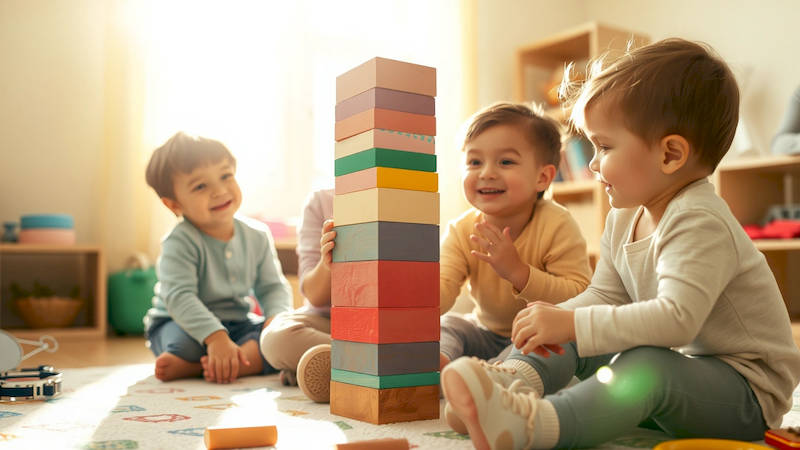
The early years of a child's life are a period of intense social development. Learning to navigate interactions with peers, share, cooperate, and understand social cues are crucial building blocks for future success – both academically and emotionally. While many parents focus on direct instruction of “sharing” and “taking turns,” a more natural, playful, and often more effective approach exists: harnessing the power of music and movement. This isn’t merely about fun and games; it’s about leveraging intrinsic motivators to foster key social skills in a way that feels organic and engaging for young children.
For many young children, verbal communication is still developing. Music and movement bypass some of these limitations, offering alternative avenues for expression and connection. A shared rhythm, a collaborative dance, or a sung-together song can create a sense of belonging and shared experience that transcends words. This is particularly important for children who may be shy or struggle with initiating interactions. The goal is to create a social environment where children feel comfortable, safe, and inspired to engage with one another.
This article will explore how utilizing music and movement activities can significantly enhance social interaction skills in young children, providing parents and caregivers with a wealth of practical strategies and insights. We will cover the neurological underpinnings of this approach, explore specific activities tailored to different age groups, address potential challenges, and outline how to integrate these techniques into daily routines. Ultimately, we'll demonstrate how the rhythm of connection through music and movement can lay the foundation for healthy and fulfilling social lives.
- The Neurological Basis: Why Music & Movement Work
- Music & Movement for Different Age Groups: Tailoring the Approach
- Facilitating Turn-Taking and Cooperation Through Musical Games
- Addressing Challenges: Shy Children & Conflicting Personalities
- Integrating Music & Movement Into Daily Routines
- Beyond the Basics: Improvisation and Creative Expression
The Neurological Basis: Why Music & Movement Work
The connection between music, movement, and social development isn’t simply anecdotal; it’s deeply rooted in neuroscience. Music activates multiple areas of the brain simultaneously, including those responsible for motor control, emotion, and social cognition. Mirror neurons, which fire both when we perform an action and when we observe someone else performing that action, play a critical role. When children participate in synchronized movement, like dancing or marching to a beat, their mirror neuron systems are activated, fostering empathy, connection, and a sense of shared experience.
Furthermore, rhythmic entrainment – the synchronization of biological rhythms to external cues like music – has been shown to promote prosocial behavior. Studies have indicated that synchronized movements can increase feelings of rapport and cooperation. Dr. Laurel Trainor, a leading expert in infant and child music cognition at McMaster University, notes that "music is a very powerful social tool. It can signal group membership, help coordinate behaviors, and promote bonding." This inherent social power of music makes it an exceptional tool for encouraging positive interaction among young children.
Finally, music releases dopamine, a neurotransmitter associated with pleasure and reward. This positive emotional reinforcement makes social interactions associated with music more appealing and encourages children to seek them out. Creating a positive and encouraging environment around musical activities is paramount to capitalizing on these neurological benefits.
Music & Movement for Different Age Groups: Tailoring the Approach
The types of music and movement activities should be adapted to the developmental stage of the children involved. For infants and toddlers (0-3 years), simple, repetitive songs with accompanying actions like clapping, bouncing, and swaying are ideal. Activities like “Pat-a-Cake” or songs with action rhymes provide opportunities for caregiver-child interaction, which serves as the foundation for all future social interaction. This age group benefits most from mirrored movements – the caregiver performing an action and the child imitating it.
Preschoolers (3-5 years) are beginning to engage in more complex social interactions and can benefit from group singing, dancing, and simple musical games. Activities that encourage taking turns, following directions, and cooperating with peers are particularly valuable. For example, “Freeze Dance” teaches impulse control and encourages children to observe others. Circle games that involve passing a beanbag or singing sequentially help children learn to share space and attention. Introducing simple musical instruments like shakers, tambourines, and drums allows children to collaborate musically, creating a sense of collective sound.
For early elementary-aged children (5-7 years), more structured musical activities, such as learning simple songs with choreography or playing musical games involving teamwork, can further refine their social skills. Introducing ensemble playing, even in rudimentary forms, promotes collaboration, listening skills, and a sense of shared accomplishment. The key across all age groups is to create a non-competitive and inclusive environment where all children feel comfortable participating.
Facilitating Turn-Taking and Cooperation Through Musical Games
Turn-taking and cooperation are fundamental social skills, and musical activities provide excellent opportunities to practice them in a playful and engaging way. A simple game like “Sound Ball” (passing an imaginary ball around the circle while adding a different sound each time) requires children to listen for their turn and respond appropriately. Similarly, "Musical Storytelling" can be a fantastic activity. Start a story with a musical phrase, then have each child add to the story with their own musical contribution (a new phrase, a sound effect, etc.).
Another powerful technique is using “conductor” games. One child leads the group in following their movements to the music – this teaches leadership skills and the importance of reading non-verbal cues. The conductor can change the tempo, dynamics, and style of the movement, demanding that the other children pay attention and adapt. It’s crucial to rotate the roles frequently to ensure everyone gets the opportunity to practice both leadership and followership.
Furthermore, activities that require collaborative songwriting or composing simple melodies encourage children to listen to each other’s ideas, negotiate, and compromise. Even involving children in choosing songs or instruments fosters a sense of ownership and shared decision-making, reinforcing cooperative skills.
Addressing Challenges: Shy Children & Conflicting Personalities
While music and movement are generally beneficial, certain challenges may arise. Shy children may initially be hesitant to participate, particularly in group activities. The key is to create a supportive and non-judgmental environment where they feel safe to explore. Start with small group activities or one-on-one interactions. Allow them to participate at their own pace, perhaps by observing first and then joining in when they feel comfortable. Offer encouragement and praise for even small steps of participation. Never force them to participate if they are clearly uncomfortable.
Conflicts between children can also occur, even during musical activities. Instead of intervening immediately, try to facilitate a solution yourself. Encourage the children to communicate their feelings and needs. Use musical prompts like “Can we find a way for both of you to play the drum at different times?” to guide them towards a compromise. Modeling positive conflict-resolution strategies is crucial. Emphasize the importance of listening to and respecting each other’s ideas. If conflicts escalate, provide a calm and quiet space for the children to cool down before rejoining the activity.
Recognizing that every child has a different personality and learning style is also necessary. Some children respond to energetic and boisterous activities, while others prefer quieter and more introspective experiences. Offer a variety of musical activities to cater to different preferences.
Integrating Music & Movement Into Daily Routines
You don't need to schedule dedicated “music time” to reap the benefits. Integrating music and movement into daily routines is a more sustainable and effective approach. Turn transitions into opportunities for musical play. Use a song to signal the end of playtime and the start of cleanup ("The Cleanup Song" is a classic!). Incorporate movement into learning activities – for example, have children march while reciting the alphabet or sing about shapes while doing a related action.
Create a “music corner” in your home or classroom with a variety of instruments and props. Encourage children to explore and experiment with sound and movement independently. Play music during mealtimes to create a pleasant and relaxing atmosphere. Sing songs during car rides or walks. The more music and movement are woven into everyday life, the more natural and ingrained these social skills will become.
Parents can also collaborate with educators to implement consistent music and movement activities in both settings. Sharing ideas and strategies can strengthen the impact of this approach and create a cohesive learning experience for the child.
Beyond the Basics: Improvisation and Creative Expression
Once children are comfortable with basic musical games and activities, encourage improvisation and creative expression. Provide opportunities for them to create their own songs, dances, and musical stories. This fosters imagination, self-expression, and risk-taking – all important components of social confidence. "Soundscapes" are a wonderfully accessible form of improvisation; prompt children to create sounds that represent different environments or scenarios (a rainforest, a busy city, a spaceship).
Encourage children to experiment with different ways of moving to the music. Can they move like a robot? A bird? A swaying tree? This promotes body awareness and encourages them to connect their imagination to their physical expression. The key is to create a safe and supportive environment where there are no “wrong” answers, and where children feel free to explore their creativity without fear of judgment.
In conclusion, leveraging the power of music and movement is a remarkably effective strategy for boosting social interaction skills in young children. By understanding the neurological basis, tailoring activities to different age groups, and consciously integrating music and movement into daily routines, parents and educators can create a nurturing environment that fosters connection, cooperation, and emotional well-being. Remember, the goal is not to create virtuoso musicians or dancers, but to use music and movement as a tool to help children navigate the complex world of social relationships and develop the skills they need to thrive. The rhythm of connection is a powerful force – let’s use it to help our children build strong, healthy, and fulfilling lives.
Deja una respuesta