
Setting Boundaries: Teaching Kids How to Assert Themselves Politely
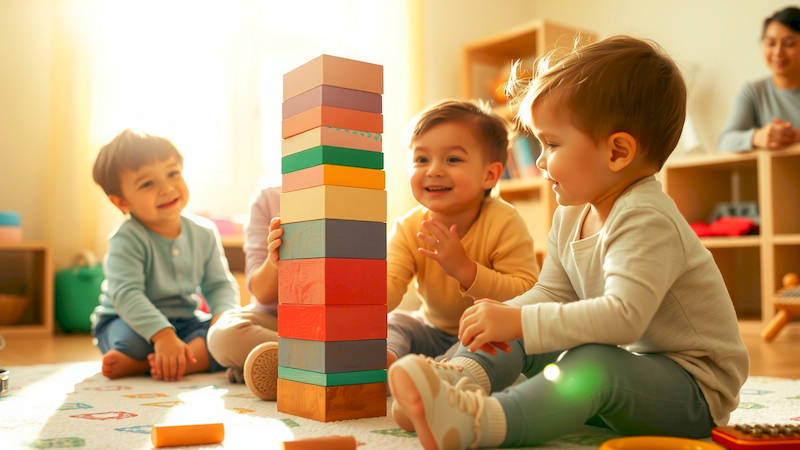
Navigating the social landscape is a crucial part of childhood development. While many parents focus on teaching children to share, to be kind, and to play well with others, a frequently overlooked skill is teaching them how to protect their own boundaries. Learning to assert oneself – to say “no” when uncomfortable, to request space, or to politely disagree – isn’t about being rude; it’s about fostering self-respect, building confidence, and establishing healthy interpersonal relationships. This skill isn’t innate; it’s learned through observation, guidance, and practice. Without it, children are vulnerable to being taken advantage of, experiencing anxiety, and developing resentment.
The ability to assertively (but politely) set boundaries is particularly vital in today’s world, where children face increasing social pressures from peers, online interactions, and potentially overbearing expectations. It’s easy to fall into the trap of expecting children to always be accommodating, but this can inadvertently teach them that their own needs and feelings are less important. It's about enabling a sense of agency, helping them understand they have the right to make choices about their bodies, their possessions, and their time.
This article will delve into practical strategies for teaching children of various ages how to assert themselves politely, fostering a sense of self-worth while maintaining respectful interactions with others. We'll explore the nuances of boundary-setting, common challenges parents face, and methods for modeling assertive behavior, creating a foundation for a child's emotional intelligence and social success.
Understanding the Foundation: What Does Assertiveness Mean for Children?
Assertiveness, especially for children, is often misunderstood as aggression. It’s important to clearly differentiate between the two. Aggression involves violating the rights of others, often through forceful or hostile behavior. Assertiveness, on the other hand, is about confidently expressing one’s own needs and feelings while respecting the needs and feelings of others. For a young child, this might look like saying, "No thank you, I don’t want to play that game right now," rather than snatching a toy away from a friend in frustration.
Teaching children about assertiveness requires framing it as a positive skill, one that empowers them to take care of themselves. Explain that setting boundaries isn’t selfish, but a way of showing self-respect. It's about communicating clearly and calmly what they’re comfortable with, and equally importantly, what they're not comfortable with. This understanding needs to be age-appropriate. A preschooler might need a simpler explanation focusing on their right to say "no" to a hug, while an older child can understand the concept of deferring to their own needs even when a friend wants something different.
It's also crucial to emphasize the importance of body language. Assertiveness isn't solely verbal. Maintaining eye contact (when culturally appropriate), using a firm but gentle tone of voice, and standing tall can all amplify a child's message of self-respect. Role-playing scenarios can be exceptionally helpful in practicing both the verbal and non-verbal aspects of assertiveness, allowing them to experiment in a safe environment.
Age-Specific Strategies: Tailoring Your Approach
The way you teach boundary-setting will need to evolve as your child grows. Preschoolers (ages 3-5) are just beginning to understand the concept of personal space and ownership. Focus on simple phrases like “My turn!” or “I don’t like that.” Model assertive behavior consistently. If another child grabs a toy, you can intervene and model a polite but firm request: “That toy belongs to [child’s name]. Please ask nicely if you’d like a turn.”
As children enter elementary school (ages 6-11), their social world expands, bringing more complex challenges. They may encounter peer pressure or uncomfortable requests from friends. Encourage them to use "I" statements to express their feelings: “I feel uncomfortable when you tease me,” or “I don’t want to participate in that activity.” This shifts the focus from blaming the other person to expressing their own experience. Discuss fictional scenarios involving peer pressure – perhaps from a book or movie – and brainstorm ways to respond assertively. Also, start teaching them refusal techniques, such as offering an alternative ("I can't play right now, but maybe later?") or simply saying "No, thank you."
For teenagers (ages 12+), boundary-setting becomes even more critical, particularly as they navigate increasing independence and social complexity. Discuss the importance of setting boundaries in relationships (romantic, platonic, and familial). Teach them about consent – in all its forms – and empower them to recognize and address violations. This is also the age where they may be facing pressure regarding risky behaviors. Encourage open communication and help them develop strategies for respectfully declining invitations that make them uncomfortable.
Role-Playing: A Powerful Practice Tool
Role-playing is arguably one of the most effective methods for teaching assertive communication. It provides a safe and controlled environment for children to practice their skills without the fear of real-world consequences. Start by modeling assertive behavior yourself. Demonstrate how to politely but firmly decline a request, or how to express disagreement respectfully. Then, switch roles with your child.
Begin with simple scenarios, such as someone trying to borrow a favorite toy without asking. Gradually increase the complexity, introducing scenarios involving peer pressure, disagreements, or uncomfortable physical contact. Encourage your child to experiment with different responses and provide constructive feedback. Focus not only on what they say, but how they say it – their tone of voice, body language, and overall confidence.
Consider using puppets or stuffed animals to make role-playing more engaging for younger children. For older children and teenagers, creating realistic scenarios based on their own experiences can be particularly helpful. Don't just focus on rehearsing pre-scripted lines; encourage improvisation, allowing them to think on their feet and adapt to unexpected responses.
Modeling Assertiveness: Lead by Example
Children are acutely observant and learn by mimicking the behaviors of the adults in their lives. If you consistently allow others to walk all over you, or struggle to say "no" yourself, your child will likely internalize these patterns. Demonstrating assertive behavior is, therefore, paramount.
This means setting your own boundaries in a healthy way, both at work and in your personal life. It also means modeling respectful communication, even when you disagree with someone. If a neighbor asks you to do something you’re not comfortable with, demonstrate how to politely decline, explaining your reasoning without apology. Verbalize your thought process as you navigate challenging social situations: "I'm feeling overwhelmed, so I'm going to politely excuse myself from this conversation."
Be mindful of the messages you send, even unintentionally. Avoid self-deprecating humor or making excuses for your own boundaries. Instead, own your needs and preferences with confidence. Your child is constantly watching and learning, so leading by example is the most powerful teaching tool you have.
Addressing Common Challenges & Counterarguments
One common challenge parents face is the fear of their child being labeled “rude” or “difficult” for asserting themselves. It’s essential to reframe this perspective. Teaching a child to say “no” isn’t about encouraging defiance; it’s about empowering them to protect their well-being. Explain that politeness doesn't require sacrificing one's own needs. A polite “no” is perfectly acceptable and, in many cases, preferable to passive agreement that leads to resentment.
Another potential counterargument is the belief that children should “just be grateful” or “not make waves.” This mindset can inadvertently teach children to prioritize the comfort of others over their own needs. Remind yourself and your child that everyone has the right to feel safe, comfortable, and respected, and that asserting boundaries is a key component of achieving that.
Furthermore, be prepared for resistance from your child. They may be hesitant to assert themselves, fearing rejection or conflict. Acknowledge their fears and validate their feelings. Remind them that it’s okay to feel nervous, and that practice will build their confidence.
Conclusion: Empowering Future Generations
Teaching children how to assert themselves politely is an investment in their emotional intelligence, social competence, and long-term well-being. It's not a one-time lesson, but an ongoing process that requires patience, consistency, and positive reinforcement. By understanding the foundational principles of assertiveness, tailoring your approach to their age and development, and consistently modeling respectful communication, you can empower your child to navigate the social world with confidence and self-respect.
Key takeaways include: differentiate assertiveness from aggression, embrace role-playing as a powerful tool, and consistently model healthy boundary-setting. Actionable next steps include starting a conversation about boundaries with your child today, practicing “I” statements as a family, and actively creating opportunities for them to practice assertive communication in safe and supportive environments. Remember, the goal is not to create a child who is always defiant, but one who is confident, resilient, and empowered to advocate for their own needs.
Deja una respuesta