
Practical Tips for Encouraging Emotional Expression in Shy Children
Emotional intelligence is a cornerstone of healthy development, impacting everything from social relationships to academic success. However, for shy children, expressing their feelings can feel like an insurmountable challenge. While shyness itself isn’t a problem—it’s a temperament—a consistent inability to articulate emotions can lead to internalized stress, anxiety, and difficulty building strong connections. This article delves into the complexities of emotional expression in shy children, offering practical, research-backed strategies parents can use to foster a safe and supportive environment where those little voices can finally be heard. Understanding that these children aren’t choosing to be quiet, but are experiencing a genuine internal struggle, is the first and most important step.
The goal isn’t to transform a shy child into an extrovert, but to equip them with the tools to navigate their emotional landscape effectively. Encouraging emotional expression isn’t about forcing vulnerability, it's about creating opportunities for it to emerge naturally. It's also about validating all emotions, not just the "positive" ones, teaching children that feeling sad, angry, or frustrated is a normal part of being human. Neglecting this crucial aspect of development can have lasting consequences, potentially leading to difficulties with self-esteem, boundary setting, and overall mental well-being. Let's explore how we can help our shy children bloom.
- Creating a Safe and Validating Emotional Environment
- Utilizing Play and Creative Expression as Outlets
- Reading and Storytelling as Emotional Learning Tools
- Gradual Exposure to Social Situations and Role-Playing
- Celebrating Small Victories and Focusing on Strengths
- The Importance of Patience and Professional Support
Creating a Safe and Validating Emotional Environment
A child's ability to express themselves is deeply intertwined with the emotional climate of their home. Shy children, particularly, require a consistent sense of safety and acceptance. This means actively avoiding judgment, criticism, or dismissal of their feelings, even when those feelings seem "small" or “irrational” to us. It's vital to remember that their experience is their reality, and invalidating it shuts down communication. Instead, practice reflective listening – restating their feelings back to them to show you understand, even if you don’t agree with their reaction. For example, if a child is hesitant to join a group activity, instead of saying “Don’t be silly, it will be fun!”, try “It sounds like you’re feeling a little nervous about joining the group.”
Furthermore, model vulnerability yourself. Children learn by observing, and if they never see you expressing your own emotions in a healthy way, they won’t understand that it's okay to do so. Share your own feelings (age-appropriately, of course). Saying, “I’m feeling frustrated right now because the traffic is making us late,” teaches them that emotions are a normal part of life and that it's okay to talk about them. Critically, also demonstrate healthy coping mechanisms. Show them how you manage your emotions, whether through deep breathing, taking a walk, or talking to a trusted friend. This approach transforms emotional expression from a scary unknown into a relatable practice.
Finally, establishing family rituals focused on feelings can be incredibly beneficial. This could be a nightly “highs and lows” discussion during dinner, a weekly “feelings check-in,” or simply incorporating questions about emotions into bedtime stories. These routines normalize emotional conversations, creating a predictable and safe space for sharing. Remember, consistency is key; making these practices a regular part of family life sends a powerful message that feelings matter.
Utilizing Play and Creative Expression as Outlets
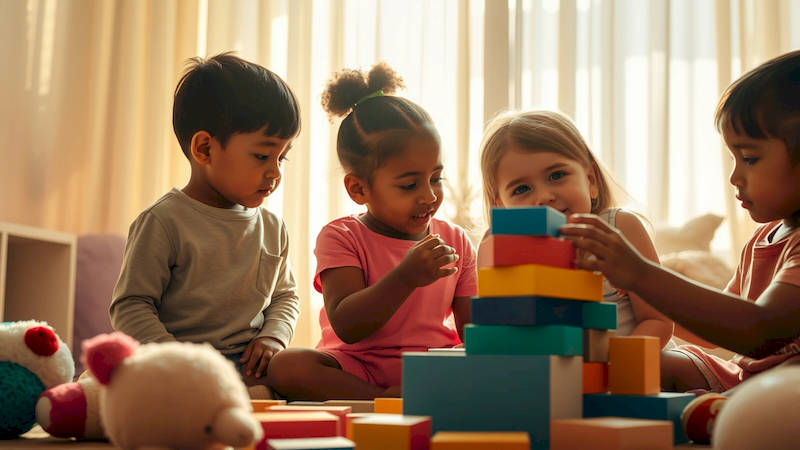
Shy children often find it easier to express themselves through indirect means, and play offers a phenomenal avenue for this. Activities like drawing, painting, building with blocks, or playing with puppets allow them to externalize their emotions without the pressure of direct verbal communication. Observe their play closely – the themes they choose, the characters they create, and the way they interact with the materials can offer valuable insights into their inner world. Don’t interrupt or interpret for them; simply observe and be present, offering encouragement and support. Their creations become a non-threatening way for them to communicate what they might struggle to say aloud.
Consider providing specific creative prompts that encourage emotional exploration. For example, “Draw a picture of how you feel when you’re scared,” or "Build a tower that represents how happy you are". The key is to focus on the process, not the product. It’s not about creating a masterpiece, it’s about providing a safe space for emotional release. Dramatic play can also be hugely impactful. Engaging in role-playing scenarios allows them to explore different emotional roles and practice navigating social situations in a controlled environment. This is where a parent assuming a supportive role, modeling appropriate responses, can prove invaluable.
Furthermore, music can be a powerful emotional outlet. Encourage them to listen to music that resonates with their feelings, and perhaps even try composing their own songs or rhythms. Experts in child psychology, like Dr. Lawrence Shapiro, emphasize the importance of creative arts in developing emotional intelligence, arguing that these activities activate different parts of the brain, allowing for a more holistic understanding and expression of emotions.
Reading and Storytelling as Emotional Learning Tools
Stories are a fantastic way to introduce and discuss emotions in a non-threatening manner. Choose books that explore a variety of feelings – sadness, anger, fear, joy – and model healthy ways of coping with those emotions. Pause during reading to ask open-ended questions like, “How do you think the character is feeling right now?” or “What would you do if you were in that situation?”. This encourages your child to empathize with the characters and reflect on their own emotional experiences. Avoid simply asking "Did you like the story?", and instead prioritize questions that focus on emotional resonance.
Storytelling can also be a powerful tool. Encourage your child to create their own stories, either verbally or in writing, as a way to process their own feelings and experiences. This can be particularly helpful if they are reluctant to talk directly about their emotions. You can start by co-creating a story together, taking turns adding sentences or paragraphs. This collaborative approach can make it less daunting for a shy child to contribute. Dr. Brené Brown, a leading researcher on vulnerability and shame, highlights how storytelling allows us to make meaning of our experiences and build resilience.
Don’t underestimate the power of using everyday events as story prompts. “Let’s make up a story about a little bear who was scared to try something new,” or “What do you think happened to the little bird when it fell out of its nest?” transforms ordinary moments into opportunities for emotional exploration. The calm and familiar setting of story time can create a reassuring environment where a shy child feels safe enough to share their thoughts and feelings.
Gradual Exposure to Social Situations and Role-Playing
Shyness often stems from a fear of social judgment, so gradually exposing your child to social situations is essential. Avoid pushing them into situations that overwhelm them; instead, start small and build up their confidence over time. Arranging playdates with one or two familiar friends, rather than a large group, is a good starting point. Prepare them for the playdate beforehand by talking about what to expect and brainstorming some possible activities.
Role-playing can be incredibly helpful in preparing for potentially anxiety-provoking social interactions. Practice scenarios like introducing themselves to someone new, asking for help, or joining a game that’s already in progress. Let your child take the lead, and provide support and encouragement. This is an opportunity to practice assertiveness skills ("I would like to play too!") in a safe and controlled environment. Modeling appropriate social behavior during role-play is also crucial.
Remember to validate their anxieties. Acknowledge that it’s okay to feel nervous or scared, and reassure them that it’s normal to take things at their own pace. Celebrate their efforts, even if they don’t fully “succeed” in the social situation. The goal isn’t to eliminate their shyness, but to help them develop the confidence to navigate social challenges. The work of Susan Cain, author of Quiet: The Power of Introverts in a World That Can’t Stop Talking, reminds us that introversion and shyness are not deficits to be cured, but valuable personality traits.
Celebrating Small Victories and Focusing on Strengths
Shy children often require extra encouragement and praise to build their self-esteem. Instead of focusing on what they can’t do, focus on their strengths and celebrate their small victories. Did they make eye contact with the cashier at the store? Did they ask a question in class, even if it was whispered? Acknowledge and celebrate these moments. Be specific with your praise – instead of saying “Good job!”, say “I noticed how bravely you asked the librarian for help. That took a lot of courage!”
Avoid comparing them to more outgoing siblings or peers. Every child develops at their own pace, and comparisons can be incredibly damaging to self-esteem. Instead, focus on their individual progress and celebrate their unique qualities. When a child feels valued for who they are, they’re more likely to feel safe and confident expressing themselves. A strength-based approach fosters a sense of agency and empowers them to take risks.
Additionally, acknowledge their emotional resilience. Shy children often possess a deep level of empathy and sensitivity, qualities that are valuable assets. Help them recognize these strengths and celebrate their capacity for compassion and understanding. This reinforces the message that their quiet nature is not a weakness, but a source of strength.
The Importance of Patience and Professional Support
Fostering emotional expression in shy children is a marathon, not a sprint. Be patient and understanding, and remember that progress may be slow and uneven. There will be setbacks, and that’s okay. Don’t give up on creating a safe and supportive environment where your child feels comfortable sharing their feelings. Consistency is key, and it may take time for them to fully trust you and open up.
If you’re concerned about your child’s shyness or emotional regulation, don’t hesitate to seek professional support. A child psychologist or therapist can provide guidance and support, and help you develop strategies tailored to your child’s specific needs. Early intervention can make a significant difference in helping a shy child develop the emotional intelligence and confidence they need to thrive. Remember, seeking help is a sign of strength, not weakness.
In conclusion, encouraging emotional expression in shy children requires a multifaceted approach rooted in empathy, patience, and consistent validation. By creating a safe and accepting environment, utilizing play and creative outlets, leveraging the power of storytelling, gradually exposing them to social interactions, celebrating their strengths, and seeking professional support when needed – we can empower our shy children to find their voices and bloom into confident, emotionally resilient individuals. The goal isn’t to change who they are, but to equip them with the tools they need to navigate the world with authenticity and emotional intelligence. Focusing on creating a secure base of love and acceptance is the most important gift we can give them.
Deja una respuesta