
Using Music and Movement Activities to Channel Children’s Emotions
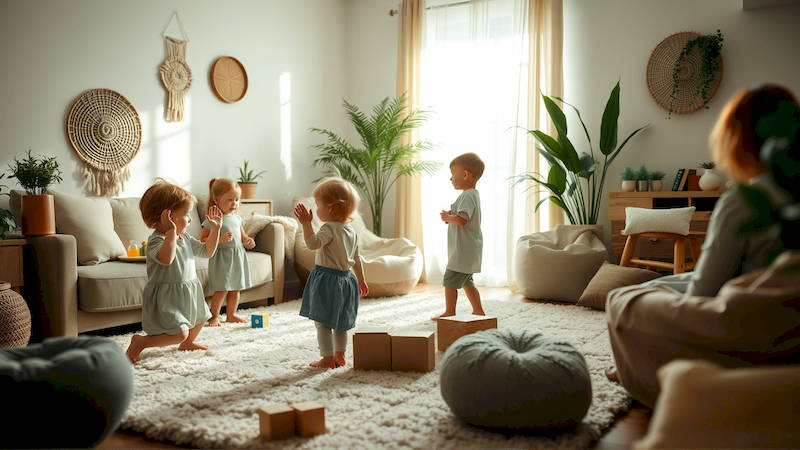
The ability to understand and regulate emotions is a cornerstone of healthy child development. Often, children lack the vocabulary or cognitive capacity to articulate what they're feeling, leading to frustration, acting out, or withdrawal. As parents and caregivers, we constantly seek healthy outlets for these powerful inner experiences. While talk therapy and direct emotional coaching are invaluable tools, they aren’t always accessible or age-appropriate for younger children. This is where the potent combination of music and movement comes into play. These inherently expressive mediums offer a non-threatening, creative pathway for children to explore, process, and ultimately, manage their emotions.
Traditional approaches to emotional regulation frequently focus on suppressing “negative” feelings. However, modern psychology emphasizes the importance of emotional acceptance – recognizing all emotions as valid and useful signals. Music and movement don’t judge feelings; they simply provide a space for them to be felt and expressed. They circumvent the need for immediate verbalization, allowing children to work through emotions kinesthetically and auditorily. Consider a toddler throwing a tantrum: attempting to reason with them in that moment is often futile. Instead, engaging them with a calming song and gentle swaying can begin to shift their physiological state, creating a window for connection and co-regulation.
This article delves into the profound connection between emotional regulation and the use of music and movement activities. We will explore the neurological basis for this connection, practical activities for various age groups, strategies for adapting to different emotional states, and how to foster a creative environment that encourages emotional expression through these powerful mediums. It is a guide designed to help parents and caregivers transform everyday moments into opportunities for emotional growth and well-being.
- The Neurological Basis of Music, Movement, and Emotional Regulation
- Activities for Young Children (Toddlers and Preschoolers) – Emotion Exploration Through Sensory Engagement
- Adapting Activities to Address Specific Emotions: A Toolkit for Parents
- Creating a Supportive Environment: Beyond the Activities Themselves
- Incorporating Music and Movement into Daily Routines
- Addressing Challenges and Counterarguments
- Conclusion: A Symphony of Well-being
The Neurological Basis of Music, Movement, and Emotional Regulation
The impact of music and movement isn’t merely anecdotal; it’s deeply rooted in neuroscience. When we engage with music, our brains release dopamine, a neurotransmitter associated with pleasure and reward. This dopamine release doesn't simply make us feel good; it also reduces cortisol levels – the hormone released during stress. The rhythmic elements of music and movement profoundly impact the limbic system, the part of the brain responsible for processing emotions. Importantly, the cerebellum, often associated with motor control, is also heavily involved in emotional processing, and is actively stimulated through movement activities.
Furthermore, research shows that shared musical experiences, such as singing or dancing with a caregiver, strengthen the bond between parent and child. This secure attachment fosters emotional security, which is crucial for developing healthy emotional regulation skills. Dr. Laura Berk, a renowned professor of psychology, notes that “rhythmic movement and music provide a shared experience that synchronizes neural activity between parent and child, creating a powerful sense of connection and emotional reassurance.” This synchronization isn't just about feeling good; it helps children learn to co-regulate – to manage their emotions alongside a trusted adult.
This neurological interplay explains why music and movement can be so effective in calming a distressed child, energizing a lethargic one, or simply providing a safe space to explore a range of emotions. The physiological effects are undeniable, making these activities powerful tools for supporting emotional well-being.
Activities for Young Children (Toddlers and Preschoolers) – Emotion Exploration Through Sensory Engagement
For toddlers and preschoolers, emotional expression is often non-verbal and intensely physical. Activities should focus on sensory engagement and simple, repetitive movements linked to different emotional states. A classic example is “movement mirroring,” where you mimic your child’s movements, exaggerating the emotional quality. If they are stomping in anger, you stomp with them (safely, of course!), then gradually transition to slower, calmer movements. This validates their feeling while subtly guiding them towards regulation.
Another powerful technique is utilizing “emotion songs.” You can adapt familiar tunes like “If You’re Happy and You Know It” to explore various emotions. “If you’re sad and you know it, make a quiet sound…” or “If you’re angry and you know it, stomp your feet!” encourages children to physically embody and identify different emotions. It’s also beneficial to create a “feeling playlist” with music that evokes different moods – upbeat music for joy, calming melodies for sadness or anxiety. Observe your child’s reaction to each song and discuss what feelings it brings up.
Finally, free-form dance with props like scarves or ribbons can be incredibly liberating. Encourage them to move “like a sad raindrop” or “a strong lion,” connecting movement to emotional characteristics. The key is to create a non-judgmental environment where all expressions are accepted and validated.
Adapting Activities to Address Specific Emotions: A Toolkit for Parents
One of the strengths of music and movement is its adaptability. Different emotions require different approaches. For anger, fast-paced, energetic music coupled with large motor movements (jumping jacks, running in place) can help release pent-up physical energy. However, it's crucial to also provide an "acceptable outlet" – pounding pillows, ripping paper – to avoid destructive behavior. Following the energetic release, transition to calmer music and slower movements like deep breathing exercises with a gentle swaying motion to help regulate.
When a child is experiencing sadness, focus on slower, more melancholic music, allowing them to explore the feeling without judgment. Encourage them to move in ways that reflect sadness – curling up, slow swaying, or gentle stretching. “Sadness songs” can also be helpful. It’s vital to validate their feelings and let them know it’s okay to be sad. Similarly, for anxiety, incorporating rhythmic, grounding movements, like rocking or gentle bouncing, paired with calming music can be incredibly beneficial. Deep breathing exercises synchronized to the music are also highly recommended.
Remember to be sensitive to your child's cues. Not all children will respond to the same activities in the same way. Pay attention to their body language and adjust the activity accordingly. If they resist, don't force it; offer alternative options.
Creating a Supportive Environment: Beyond the Activities Themselves
The effectiveness of these activities isn’t solely dependent on the activities themselves; it's also profoundly influenced by the environment you create. A supportive environment is one characterized by acceptance, validation, and non-judgment. Avoid statements like “Don’t be sad” or “You shouldn’t be angry.” Instead, acknowledge their feelings: “I see you’re feeling angry right now, and that’s okay.”
Crucially, modeling emotional regulation is vital. Children learn by observing their caregivers. If you handle your own emotions in a healthy way, they are more likely to do the same. This means demonstrating vulnerability, acknowledging your feelings, and utilizing healthy coping mechanisms. When you dance freely, sing loudly, or simply move your body with joy, you’re sending a powerful message that expressing emotions is safe and acceptable.
Moreover, designate a “movement space” - a dedicated area where your child can freely express themselves without fear of judgment or restrictions. Even a small corner of a room can suffice. Fill it with props like scarves, ribbons, musical instruments, or comfortable cushions.
Incorporating Music and Movement into Daily Routines
You don't need to plan elaborate sessions to benefit from music and movement. Integrate these activities into your daily routine. Play upbeat music during morning routines to energize everyone. Use calming music during bedtime to promote relaxation. Turn chores into dance parties – vacuuming, folding laundry, even washing dishes can become opportunities for joyful movement.
When transitions are difficult – moving from playtime to mealtime, for example – use a “transition song” to signal the change. This provides a predictable cue and can help reduce resistance. Create a “feelings check-in” during family mealtimes, where everyone shares how they’re feeling and one song that reflects that feeling. This fosters open communication and emotional awareness.
Consider incorporating musical instruments into playtime. Simple instruments like shakers, tambourines, or drums can empower children to express themselves creatively. Encouraging them to create their own songs or dances further fosters self-expression and emotional exploration.
Addressing Challenges and Counterarguments
One common concern is a lack of musical ability or confidence. You don't need to be a professional musician or dancer! The focus is on the process of emotional expression, not perfection. Simply sing along to your child’s favorite songs, move your body freely, and embrace the joy of the moment. Another counterargument is that some children are naturally less inclined towards physical activity. In these cases, start slowly, offering gentle encouragement and focusing on activities they enjoy. Perhaps they prefer playing rhythmic instruments or listening to music while drawing or coloring.
It’s also important to acknowledge that music and movement are not a cure-all. For children struggling with significant emotional challenges, professional support from a therapist or counselor may be necessary. However, these activities can be a valuable adjunct to therapy, providing a creative outlet for processing emotions and building coping skills.
Conclusion: A Symphony of Well-being
Using music and movement to channel children’s emotions is a powerful, accessible, and neurologically sound approach to fostering emotional well-being. By tapping into the inherent expressive power of these mediums, parents and caregivers can provide children with a safe and supportive space to explore, process, and regulate their feelings. Remember that the goal isn't to eliminate “negative” emotions, but to help children develop the skills to navigate them healthily.
The key takeaways are: understand the neurological connection; adapt activities to specific emotions; create a supportive environment; integrate it into daily routines; and embrace imperfection. Start small, be patient, and most importantly, have fun. By harmonizing hearts through music and movement, we empower our children to build emotional resilience, foster self-awareness, and navigate the complexities of life with greater confidence and joy. Take the first step today: put on some music, move your body, and connect with your child through the universal language of rhythm and expression.
Deja una respuesta