
Top sensory integration activities for preschoolers at home
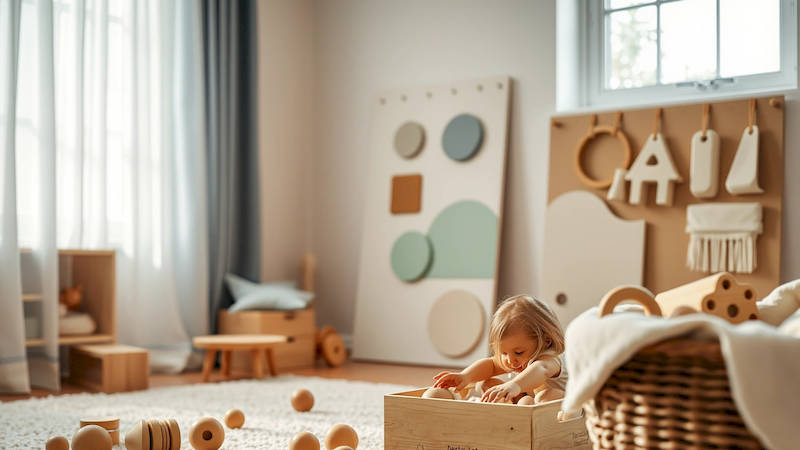
The early years of a child’s life are a period of extraordinary brain development, and sensory experiences are the building blocks of this crucial process. Sensory integration, the ability of the brain to organize information received through the senses – sight, sound, touch, taste, smell, movement (vestibular), and body awareness (proprioception) – is fundamental to a child’s ability to learn, play, and navigate the world. For preschoolers, the foundation for academic success, social-emotional regulation, and motor skills is heavily reliant on a well-developed sensory system. When sensory processing is challenged, it can manifest as difficulties with coordination, attention, emotional regulation, and even behavior. Fortunately, many effective sensory integration activities can be easily incorporated into a home environment to support your child’s development. This article will provide a deep dive into practical, engaging activities designed to enhance sensory processing in preschoolers, empowering you to create a nurturing and stimulating environment.
Understanding sensory integration isn’t simply about providing more stimulation; it’s about offering just the right level of stimulation. Too little can lead to under-responsivity, where a child appears sluggish or doesn't notice sensory input. Too much can lead to over-responsivity, resulting in anxiety, avoidance, or exaggerated reactions. The goal is to help your child’s brain learn to effectively process and respond to sensory information, creating a more stable and regulated nervous system. Early intervention, even through simple home-based activities, can significantly impact a child’s long-term development and well-being. "Sensory experiences lay the foundation for all learning," states Dr. A. Jean Ayres, a pioneer in sensory integration therapy. This foundation is critical for preschoolers as they prepare to enter a more structured learning environment.
Tactile Exploration: The Power of Touch
Tactile defensiveness or seeking is a common sensory processing difference in preschoolers. Some children may recoil from messy textures, while others actively seek out opportunities to touch everything. Providing a variety of safe and engaging tactile experiences is crucial for building tolerance and improving sensory discrimination. Activities don't need to be elaborate – simple everyday experiences can be incredibly effective. Think about the textures your child encounters daily and intentionally expand on those.
Creating a "sensory bin" is a fantastic starting point. Fill a bin with materials like dried beans, rice, pasta, sand, water beads (supervision required!), shaving cream, or even cloud dough (flour and baby oil). Hide small toys within the bin and encourage your child to find them, fostering tactile exploration and problem-solving skills. Start with larger textures and gradually introduce finer ones as your child becomes more comfortable. For a child sensitive to touch, begin with dry materials and slowly introduce dampness. Use descriptive language during the activity: "This rice feels grainy," or "The slime is cool and stretchy."
Furthermore, art activities offer wonderful tactile opportunities. Finger painting, playing with playdough, or creating collages with various materials (fabric scraps, buttons, yarn) all stimulate the tactile system. Don’t shy away from “messy” play! Structured messy play, where boundaries are clear and expectations are set, can actually be incredibly therapeutic. A study by the STAR Institute for Sensory Processing Disorder found a significant correlation between regular tactile play and improved emotional regulation in children with sensory processing challenges.
Proprioceptive Activities: Building Body Awareness
Proprioception refers to our sense of body position and movement in space. This system is crucial for coordination, posture, and muscle control. Children with poor proprioception may appear clumsy, have difficulty with tasks requiring fine motor skills, or struggle with body awareness. Proprioceptive activities involve providing resistance and weight-bearing experiences, which help “wake up” this system.
Simple activities like pushing, pulling, and lifting can have a profound impact. Encourage your child to help with age-appropriate chores, such as carrying laundry baskets (light weight!), pushing a vacuum cleaner, or moving furniture (with supervision). These activities provide resistance that stimulates proprioceptive receptors in the muscles and joints. Creating an “obstacle course” using pillows, cushions, and blankets is another fun way to engage proprioception. Include activities like crawling under objects, stepping over obstacles, and rolling over a mat.
“Heavy work” is a term often used to describe proprioceptive activities. This refers to activities that require sustained muscle effort. Examples include wall pushes (pushing against a wall with hands), animal walks (bear walks, crab walks), or playing tug-of-war. These activities can have a calming effect on children, as they provide deep pressure that helps regulate the nervous system. For a child who consistently seems on the go, proprioceptive input can be incredibly grounding, helping them to feel more secure and regulated.
Vestibular Input: Movement and Balance
The vestibular system, located in the inner ear, is responsible for our sense of balance and spatial orientation. It plays a vital role in coordination, posture, and even attention. Providing opportunities for movement is essential for developing a healthy vestibular system. Children who are vestibular seeking may constantly be spinning, jumping, or seeking out movement, while those who are vestibular avoiding may be fearful of heights or dislike being moved quickly.
Swinging is a classic vestibular activity. Whether it’s on a traditional swing set, a hammock, or a rocking chair, the rhythmic movement provides valuable vestibular input. Vary the speed and direction of the swing to challenge the system further. Spinning is another powerful vestibular activity, but it should be done with caution, especially for children who are sensitive to movement. Start with slow, controlled spins and gradually increase the speed as your child becomes more comfortable.
Beyond swinging and spinning, activities like rolling, jumping on a trampoline (with supervision), and riding a bicycle or scooter all provide vestibular input. Establishing a designated movement break within the daily routine can be hugely beneficial. A quick jumping jacks session, a dance party, or simply running around the yard can help regulate the nervous system and improve focus. It’s important to observe your child’s reaction to different movements and tailor activities to their individual needs.
Auditory Integration: Exploring Sounds
The auditory system is often overlooked in discussions of sensory integration, but it plays a crucial role in learning, communication, and emotional regulation. Children with auditory sensitivities may be easily overwhelmed by loud noises or have difficulty filtering out background sounds. Providing a variety of auditory experiences can help develop auditory processing skills.
Introduce a range of sounds through music, instruments, and everyday objects. Play different genres of music and encourage your child to move and dance to the rhythm. Provide access to musical instruments like shakers, drums, and xylophones, allowing them to experiment with creating their own sounds. Engage in sound-based games, such as “Simon Says” with sound cues or identifying different sounds in the environment.
For children sensitive to sound, create a "calm down corner" with noise-canceling headphones or soft music. Gradually introduce louder sounds in a controlled manner, pairing them with positive experiences. Consider using white noise or nature sounds to mask distracting background noise. A study published in the Journal of Developmental & Behavioral Pediatrics showed that musical interventions can significantly improve attention and behavior in children with ADHD.
Visual Stimulation: Finding the Right Balance
Visual processing is another essential component of sensory integration. Children with visual processing difficulties may struggle with tasks like reading, copying, or tracking moving objects. Providing a visually stimulating environment, while also ensuring opportunities for visual calm, is key.
Offer a variety of visually appealing toys and activities, such as puzzles, building blocks, and art supplies. Introduce different colors, shapes, and patterns. Go on “color hunts” in the environment, identifying objects of specific colors. Use visual schedules to help your child understand the daily routine and reduce anxiety.
However, it’s also important to minimize visual clutter and provide opportunities for visual rest. Create a designated quiet space with soft lighting and minimal distractions. Encourage your child to look at distant objects to relax the eye muscles. Too much visual stimulation can be overwhelming, especially for children with visual sensitivities. Prioritizing open-ended and quiet play is critical.
Combining Sensory Experiences: The Power of Integration
The brain doesn’t process sensory information in isolation; it integrates information from multiple senses simultaneously. Therefore, activities that combine different sensory experiences can be particularly effective.
Consider a cooking activity: mixing ingredients provides tactile input, smelling spices engages the olfactory system, and tasting the final product stimulates the gustatory system. A nature walk offers a wealth of sensory experiences: the feel of grass underfoot, the sound of birds chirping, the sight of colorful flowers, and the smell of fresh air.
Building a fort can also be a multi-sensory experience: draping blankets creates a cozy visual and tactile environment, and crawling inside engages proprioception and vestibular input. The key is to think creatively and intentionally combine different sensory elements to provide a rich and stimulating experience for your child.
Conclusion: Nurturing Sensory Development at Home
Sensory integration is a fundamental aspect of child development, impacting a child’s ability to learn, play, and thrive. By incorporating these simple yet powerful activities into your home routine, you can support your child’s sensory processing skills and create a nurturing environment that promotes growth and well-being. Remember to observe your child’s responses and tailor activities to their individual needs. What works for one child may not work for another.
The core takeaway is that sensory integration isn’t about “fixing” a problem; it’s about providing opportunities for the brain to organize sensory information effectively. Regular sensory play can improve attention, emotional regulation, coordination, and overall quality of life. If you have concerns about your child’s sensory processing, consulting with an occupational therapist is always recommended. They can provide a comprehensive assessment and develop an individualized treatment plan to address your child's specific needs. Ultimately, empowering your child's sensory development is an investment in their future success and happiness.
Deja una respuesta