
Strategies to Encourage Bilingual Language Development at Home
The world is becoming increasingly interconnected, and with that comes a growing appreciation for the benefits of bilingualism and multilingualism. For parents, raising a bilingual child is a gift that extends far beyond simply being able to communicate in two languages. Research consistently demonstrates cognitive advantages for bilingual individuals, including improved problem-solving skills, enhanced multitasking abilities, and increased cognitive flexibility. But how do you navigate the practicalities of fostering bilingualism within the home environment? It's a journey that requires intention, consistency, and a toolbox of effective strategies.
This article provides a comprehensive guide to supporting bilingual language development in children at home, moving beyond simple exposure to outlining actionable techniques that maximize success. We'll explore proven methods, address common challenges, and provide insights to empower you to create a rich linguistic environment where your child can thrive in two languages. The focus isn’t just on if bilingualism is beneficial, but how to make it a natural and joyful part of your child’s life. This isn’t merely about teaching words; it’s about cultivating a connection to culture, expanding opportunities, and unlocking your child’s full potential.
- The Foundation: Understanding Language Acquisition & Creating a Linguistic Ecosystem
- Choosing a Bilingual Approach: OPOL, Time & Place, and Mixed Language Strategies
- Maximizing Interaction: Conversational Techniques and Play-Based Learning
- Addressing Challenges: Language Mixing, Resistance, and Maintaining Momentum
- Incorporating Technology and Community Support
- Long-Term Commitment: Assessing Progress and Adapting the Plan
The Foundation: Understanding Language Acquisition & Creating a Linguistic Ecosystem
Understanding how children acquire language is crucial before diving into specific strategies. Children don't learn languages as adults do – through rote memorization of grammar rules. Instead, they immerse themselves in language, learning through exposure, interaction, and repetition. A key concept is "input" - the language your child hears. The quality and quantity of this input significantly impact their development. Focus should be on comprehensible input – language that is slightly above their current level but still understandable through context, gestures, and visual cues.
Creating a linguistic ecosystem means making the target languages visible and accessible in everyday life. This extends beyond simply speaking the languages; it involves surrounding your child with materials like books, music, and videos in both languages. Consider labeling household items with their names in both languages. For example, stick a label on the refrigerator reading "Refrigerator / Nevera." This constant, passive exposure reinforces vocabulary and concepts. Remember that environmental print – the language children encounter outside the home (e.g., signs, packaging) – also contributes to their overall language development.
Finally, consistency is paramount. Sporadic exposure won’t yield the same results as regular, predictable interactions. Determine a realistic approach based on your family's dynamics and commit to maintaining it, even when life gets busy. This doesn't necessarily mean a 50/50 split; any consistent effort is better than none.
Choosing a Bilingual Approach: OPOL, Time & Place, and Mixed Language Strategies
There are several widely recognized approaches to raising a bilingual child. One of the most popular is One Parent One Language (OPOL), where each parent consistently speaks to the child in their native language. This method creates a clear association between a parent and a language, providing a strong and reliable language model. However, OPOL isn’t always feasible, especially in blended families or when a parent’s fluency isn't strong.
Another effective strategy is the "Time and Place" approach. This involves dedicating specific times or locations for each language. For example, you might speak Language A during mealtimes and Language B during playtime. This method provides clear boundaries and helps the child understand when to use each language. A third approach is a "mixed language" strategy, which allows for more flexibility but requires conscious effort to ensure sufficient exposure in both languages. It’s also important to note that combinations of these approaches are common and effective. As Dr. Ellen Bialystok, a leading researcher in bilingualism, notes, “The key isn’t which method you choose, but rather the consistency with which you implement it.”
The ideal approach will depend on your family's specific circumstances and preferences. Consider your language skills, your child's personality, and the availability of language resources within your community. Don't be afraid to adapt and adjust your strategy as needed. The most important factor is ensuring consistent and meaningful exposure to both languages.
Maximizing Interaction: Conversational Techniques and Play-Based Learning
Passive exposure to a language is helpful, but active interaction is crucial for development. Engage your child in frequent conversations, even from infancy. Talk about what you're doing, describe the world around them, and ask open-ended questions. Instead of simply saying, "Look at the dog," try, "What is the dog doing? Is he running or playing?" This encourages them to think and formulate responses in the target language.
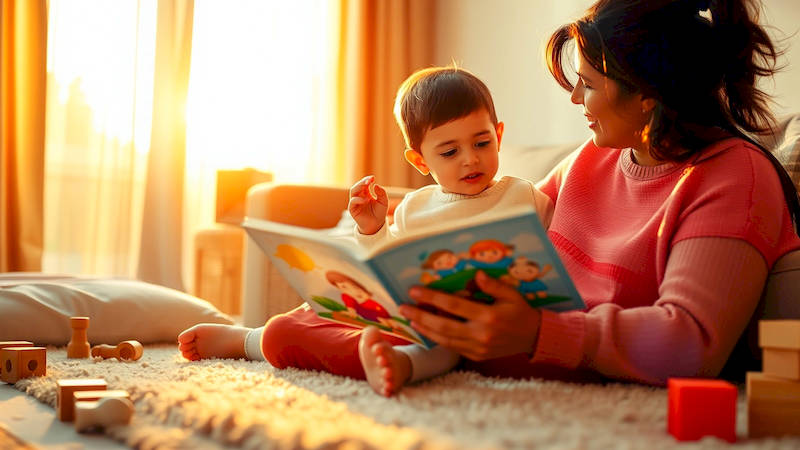
Play-based learning provides a naturally engaging context for language acquisition. Incorporate language into games, role-playing, and creative activities. For instance, when building with blocks, you can narrate the process in the target language, saying things like, "We're building a tall tower!" or "Let's use the red block next." Reading aloud is also incredibly beneficial. Choose books in both languages and make it a regular part of your routine. As kids get older, story telling in both languages strengthens comprehension and memory.
Furthermore, don’t be afraid to make mistakes. It’s perfectly normal to stumble over words or use incorrect grammar. Focus on communicating effectively and creating a positive language learning experience. Correcting your child frequently can be discouraging. Instead, model correct language usage naturally in your own speech.
Addressing Challenges: Language Mixing, Resistance, and Maintaining Momentum
Language mixing, also known as code-switching, is a common phenomenon in bilingual children. It isn't a sign of confusion or delay; rather, it demonstrates their ability to draw on their linguistic resources to communicate effectively. While it’s often a natural part of the process, gently model correct usage without reprimanding. For example, if your child says, "I want the agua," you can respond with, "Ah, you want the water."
Resistance to speaking a particular language can occur, especially as children get older and become more aware of social pressures. This is where maintaining momentum requires creativity and patience. Make the target language appealing by connecting it to things your child enjoys – their favorite shows, music, or hobbies. Arrange playdates with other bilingual children or enroll them in language classes. And appreciate any effort they demonstrate, even if it’s just a single word or phrase.
Another challenge is maintaining consistent exposure over time. Life changes – a move, a new sibling, a change in childcare – can disrupt routines and impact language learning. Be prepared to adapt your strategy and prioritize language maintenance even during busy periods.
Incorporating Technology and Community Support
Technology can be a valuable tool for supporting bilingual language development. Numerous language learning apps, online games, and streaming services offer engaging content in various languages. However, it’s crucial to select resources that are age-appropriate and aligned with your educational goals. Beware of passive screen time; accompany tech use with interactive activities and conversations. Services like Duolingo, for example, can be supplemental tools, but aren’t substitutes for real-life interaction.
Equally important is building a supportive community. Connect with other bilingual families in your area. This provides opportunities for your child to interact with peers who share their linguistic background and for you to exchange ideas and resources with other parents. Seek out local language groups, cultural events, and community centers that offer language programs. Immersion experiences, such as family trips to countries where the target languages are spoken, can also be incredibly enriching.
Long-Term Commitment: Assessing Progress and Adapting the Plan
Bilingual language development isn’t a race. It’s a gradual process that requires ongoing assessment and adaptation. Observe your child's progress regularly, noting their vocabulary, grammar, and fluency in both languages. Pay attention to their communication patterns and identify areas where they may need additional support. Formal assessments by a speech-language pathologist specializing in bilingualism can provide valuable insights, particularly if you have concerns about potential delays.
Remember that each child develops at their own pace. Be patient, supportive, and celebrate their achievements along the way. Continue to adjust your strategy as your child grows and their needs evolve. Maintaining bilingualism requires a long-term commitment, but the rewards – a broadened worldview, enhanced cognitive abilities, and a deeper connection to culture – are immeasurable.
In conclusion, fostering bilingual language development at home is a rewarding but demanding endeavor. It's a journey that necessitates understanding the principles of language acquisition, selecting an appropriate approach, maximizing interaction, addressing challenges proactively, leveraging technology, and building a supportive community. Consistency, patience, and a genuine enthusiasm for both languages are the cornerstones of success. The key takeaways are to prioritize comprehensible input, create a linguistic ecosystem, and remember that every interaction is an opportunity to nurture your child’s two voices. Start small, stay committed, and celebrate the incredible gift of bilingualism you are giving your child – a gift that will enrich their lives in countless ways.
Deja una respuesta