
Step-by-Step Guide to Teaching Your Child to Walk Confidently
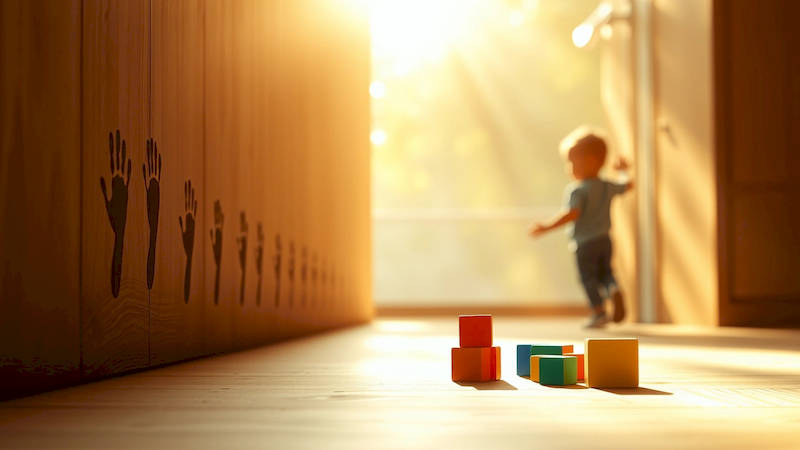
Learning to walk is arguably one of the most significant milestones in a child’s development. It’s a process that marks not only physical progress but also burgeoning independence, cognitive growth, and a whole new way of exploring the world. As parents, witnessing those first steps is a profoundly rewarding experience, but it’s also one that often comes with anxieties about safety and supporting your child’s journey. This guide provides a comprehensive, step-by-step approach to nurturing your child’s walking development, fostering confidence, and ensuring a safe and supportive environment. We'll cover everything from pre-walking skills to troubleshooting common challenges, empowering you to actively participate in this exciting phase.
The timeline for walking varies significantly between children – most start taking independent steps between 9 and 15 months, but some may take a little longer, and that's perfectly normal. However, understanding the developmental stages leading up to walking, and the best ways to encourage those stages, is key to maximizing your child's progress. It’s also vital to remember that walking isn’t simply about putting one foot in front of the other; it’s a complex interplay of strength, balance, coordination, and, importantly, confidence. This guide will empower you to nurture each of these aspects.
- Understanding the Pre-Walking Milestones: Laying the Foundation
- Creating a Safe and Supportive Environment: The Walking Arena
- Encouraging First Steps: Strategies and Techniques
- Navigating Falls and Building Confidence: The Importance of Resilience
- Troubleshooting Common Challenges: When to Seek Support
- Maintaining Momentum After Walking: Play-Based Development
- Conclusion: Cherishing the Journey and Supporting Your Little Walker
Understanding the Pre-Walking Milestones: Laying the Foundation
Before your little one takes their first steps, several crucial developmental milestones need to be achieved. These pre-walking skills build the necessary foundation of strength, balance, and coordination that ultimately enables walking. Often, parents are eager for the walking stage and inadvertently skip over appreciating and encouraging these foundational skills – a mistake that can sometimes lead to rushing the process or creating imbalances. One common milestone is rolling over, usually achieved between 3-6 months, which helps build core strength. Following this comes sitting unsupported, generally around 6-8 months, requiring significant trunk control and balance.
Crawling, while not essential for all babies (some “bottom scoot” or move in other ways!), is a fantastic developmental activity. It builds core strength, coordination, and spatial awareness, all of which are incredibly beneficial when transitioning to walking. According to research by the American Academy of Pediatrics, crawling promotes the development of the vestibular system, which impacts balance and coordination. Crucially, encouraging tummy time from a young age dramatically supports future movement skills. Aim for short, frequent tummy time sessions throughout the day, starting shortly after birth. This strengthens the neck, back, and shoulder muscles.
Finally, pulling to stand, typically starting around 8-10 months, is a pivotal step. This signifies that your child is developing the leg strength and coordination needed to support their weight. Once they can pull to stand, encourage them to practice holding on to stable furniture for short periods, experimenting with shifting their weight and taking small steps while supported. This phase builds confidence and prepares them for independent standing.
Creating a Safe and Supportive Environment: The Walking Arena
Your home environment plays a critical role in supporting your child’s walking journey. A safe space, free from hazards, allows your child to experiment and practice without constant fear of falling or injury. This doesn't mean "baby-proofing" to an extreme degree, but it does mean being proactive about potential dangers. Start by removing any tripping hazards like loose rugs or cords. Soften sharp corners with corner protectors, and ensure furniture is stable and won't topple over if your child pulls on it.
Consider creating designated “walking arenas” - areas within your home that are particularly well-suited for practice. This could be a living room with a clear path, or a hallway with furniture for support. Avoid slippery surfaces like polished wood or tile, especially in the early stages. Ideally, a carpeted area is a good place to start as it provides more traction. Importantly, resist the temptation to constantly hover or interfere. While safety is paramount, allowing your child to explore and experiment independently (within a safe space) fosters confidence and problem-solving skills.
Remember to dress your child in comfortable, supportive footwear, or, ideally, allow them to practice barefoot indoors (ensure the floor is clean and safe). Shoes with stiff soles can actually hinder the natural development of foot muscles and gait. Finally, be mindful of your own behavior – model safe movement habits and create a positive and encouraging atmosphere.
Encouraging First Steps: Strategies and Techniques
Once your child is demonstrating a willingness to pull to stand and cruise along furniture, you can employ several strategies to encourage those first independent steps. Resist the urge to push or force the issue; instead, focus on motivating and enticing them to take a step forward. A classic technique is to position yourself just out of reach, holding your hands out encouragingly. This prompts your child to reach for you, often resulting in a tentative first step.
Another effective technique is the “walking game.” Place favorite toys or objects just slightly beyond your child’s reach, encouraging them to take a step or two to retrieve them. Gradually increase the distance as their confidence grows. Positive reinforcement is crucial – celebrate every attempt, no matter how small. Verbal encouragement ("You can do it!") and enthusiastic clapping can go a long way. Avoid comparing your child to others; every child develops at their own pace. It’s also worth considering that a small, stable push toy (like a wagon) can provide temporary support and encourage movement, but avoid using walkers, as these have been shown to hinder development.
Further contributing to this milestone is varying the surfaces on which they practice. Transitioning to different textures – carpet, grass (with supervision), smooth wood– builds adaptability and improves foot strength.
Navigating Falls and Building Confidence: The Importance of Resilience
Falls are inevitable when learning to walk. It’s crucial to react calmly and reassuringly, avoiding dramatic reactions that could scare your child. A quick, comforting hug and a simple "You're okay!" are often sufficient. Avoid making a big fuss over the fall, as this can inadvertently reinforce the fear of falling. The goal is to help your child understand that falling is a natural part of the learning process and that it's okay to get back up and try again.
Building confidence is paramount. Help your child succeed by creating achievable challenges – start with a short distance and gradually increase it as they become more comfortable. Offer plenty of praise and encouragement for every attempt. Avoid correcting their gait or posture unless there is a clear physical issue (consult a pediatrician if you have concerns). Let them explore their newfound mobility at their own pace. According to Dr. Laura Jana, a pediatrician and parenting expert, “Fear of falling is a natural response, and counteracting it requires repeated success, not just reassurance.”
Remember that setbacks are normal. There will be days when your child seems less motivated or takes a step back in their progress. Be patient and continue to offer encouragement and support. Recognizing and celebrating their effort, rather than solely focusing on the outcome, builds resilience and a growth mindset.
Troubleshooting Common Challenges: When to Seek Support
While most children progress through the walking stages without significant issues, some may encounter challenges. One common concern is toe walking – walking primarily on the toes rather than the entire foot. While occasional toe walking is normal, persistent toe walking may indicate underlying muscle tightness or neurological issues. Consult with your pediatrician or a physical therapist if you are concerned.
Another challenge is inward or outward turning of the feet. Slight variations are common, but significant deviations should be evaluated by a healthcare professional. Also, children with low muscle tone (hypotonia) may take longer to develop the strength needed for walking. In these cases, physical therapy can be incredibly beneficial.
Finally, if your child shows no interest in bearing weight or attempting to stand by 18 months, it’s important to seek professional advice. A physical therapist can assess your child’s development and recommend appropriate interventions. Remember, early intervention is often key to addressing developmental delays and maximizing your child’s potential. Don't hesitate to seek support from your pediatrician or a specialist if you have any concerns.
Maintaining Momentum After Walking: Play-Based Development
Once your child has mastered walking, the focus shifts to refining their skills and building their confidence in various environments. Continue to encourage movement through play-based activities. Obstacle courses, incorporating pillows, cushions, and tunnels, are fantastic for improving coordination and spatial awareness. Activities like pushing and pulling toys, as well as simply following you around while you complete household tasks, help them practice and consolidate their walking skills.
Expand the horizons! Safe outdoor play on different surfaces – grass, gravel, sand – challenges their balance and strengthens their leg muscles. “Follow the leader” games encourage them to imitate your movements and improve their coordination. Continue to provide opportunities for them to practice walking with assistance, like holding hands, while gradually reducing your support as they gain confidence. This supports the ongoing development of their gait and overall motor skills.
Conclusion: Cherishing the Journey and Supporting Your Little Walker
Teaching your child to walk confidently is a remarkable journey, filled with both anticipation and challenges. Remember that patience, encouragement, and a safe, supportive environment are the cornerstones of success. By understanding the pre-walking milestones, creating a stimulating “walking arena”, providing positive reinforcement, and navigating falls with calm reassurance, you can empower your child to take those first steps with confidence and joy. Don't get caught up in comparisons – every child develops at their own unique pace.
The key takeaways are to prioritize a gradual approach, focus on building strength and balance, and celebrate every attempt, no matter how small. If you have any concerns about your child’s development, don’t hesitate to seek professional guidance. The ability to walk is not just a physical milestone; it's a symbol of independence, exploration, and a child’s growing connection to the world around them. Cherish this incredible time and enjoy watching your little one embark on this exciting adventure!
Deja una respuesta