
Step-by-Step Guide to Building a Backyard Nature Scavenger Hunt
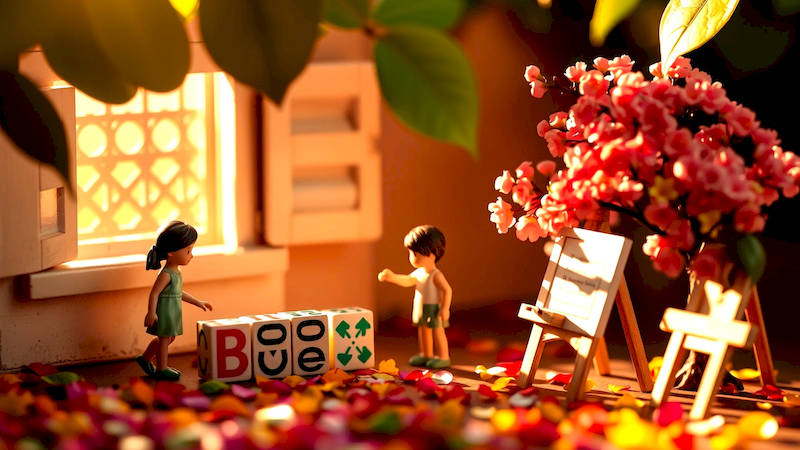
The natural world offers an unparalleled classroom for young children. In an age increasingly dominated by screens, reconnecting children with nature is more crucial than ever. Not only does outdoor play foster physical health and gross motor skill development, but it also cultivates curiosity, observation skills, and a deep appreciation for the environment. A backyard nature scavenger hunt is a fantastically engaging tool to capitalize on this inherent wonder. It’s an activity that ignites imagination, encourages exploration, and provides a fun, educational experience for children of all ages. This guide will provide a comprehensive roadmap for creating a memorable and enriching nature scavenger hunt in your own backyard, transforming it into an adventure zone.
Beyond the immediate fun, studies demonstrate a strong link between time spent in nature and improved cognitive function in children. Research published in the Journal of Environmental Psychology consistently shows that exposure to natural environments reduces stress, enhances creativity, and improves attention spans. A scavenger hunt specifically adds a focused element to this exploration, requiring children to actively seek and identify aspects of their surroundings, pushing them beyond passive observation. It’s an opportunity to build vocabulary, learn about local flora and fauna, and reinforce scientific concepts in a playful context.
- Planning & Preparation: Tailoring the Hunt to Your Space & Child
- Crafting the Clues: From Lists to Riddles to Photo Challenges
- Implementing the Hunt: Guidelines, Boundaries & Supervision
- Expanding the Educational Value: Identification & Discussion
- Adapting for Different Ages & Abilities: Differentiation is Key
- Beyond the Backyard: Expanding the Scavenger Hunt Concept
- Conclusion: Cultivating Curiosity & A Lifelong Love of Nature
Planning & Preparation: Tailoring the Hunt to Your Space & Child
Before diving into clue creation, careful planning is essential. Consider the size of your backyard and the typical age and developmental level of the children participating. A scavenger hunt for a 3-year-old will significantly differ from one designed for an 8-year-old. For younger children, keep the items simple and visually distinct – think “a red leaf," “a smooth stone,” or “something round.” Older children can tackle more challenging items that require observation and identification skills – such as “evidence of an insect,” “a seed pod,” or “a plant with serrated leaves.” This tailoring ensures engagement and prevents frustration.
It's also vital to assess the safety of your backyard. Remove any potential hazards like poisonous plants, sharp objects, or uneven terrain. Clearly define the boundaries of the hunt to keep children within a safe area. Furthermore, think about the time of year and the conditions. A hunt in the fall will yield different items than one in the spring. Adjust the list accordingly, perhaps focusing on fallen leaves and pinecones in autumn, or budding flowers and nesting materials in spring. Finally, decide if it will be a competitive timed hunt, a collaborative activity, or a more leisurely, self-paced exploration.
Crafting the Clues: From Lists to Riddles to Photo Challenges
The core of any scavenger hunt lies in the clues themselves. While a simple list of items works well for younger children, incorporating riddles or photo challenges adds complexity and excitement for older participants. For instance, instead of "Find a feather," you could write, "I fall from the sky, but have no wings. Birds use me to fly, what am I?" Or, provide a close-up photograph of a specific leaf shape and have children find a matching leaf in the yard. Varying the clue types keeps things interesting and caters to different learning styles.
Consider using a tiered clue system. Start with easier clues for a confidence boost, then progressively introduce more challenging ones. You can also create “bonus” clues for extra points or a small prize. To further enhance the educational aspect, include clues that prompt children to think critically. For example, "Find something that provides shelter for an insect" encourages them to consider the roles of different elements in the ecosystem. Remember to write clues that are age-appropriate and avoid ambiguity – unclear clues lead to frustration and disengagement. A pilot test with another adult before unleashing it on the kids can help fine-tune the language.
Implementing the Hunt: Guidelines, Boundaries & Supervision
Once the clues are prepared, it’s time to launch the hunt. Begin by clearly explaining the rules of the game. Emphasize the importance of respecting nature – no picking flowers unless given permission, and leaving everything as they found it. Reinforce the boundaries of the search area and establish a check-in system, especially for younger children. Supervision is paramount, ensuring that children are safe and engaged throughout the activity.
Consider dividing children into teams to promote collaboration and problem-solving. If it’s a timed hunt, designate a start and finish line and provide a method for recording findings (a checklist, a bag to collect items, or a camera to photograph discoveries). For collaborative hunts, encourage children to work together to find all the items on the list. Throughout the hunt, circulate and provide assistance, offer encouragement, and answer questions. This isn’t just about finding items; it’s about fostering a love of learning and exploration.
Expanding the Educational Value: Identification & Discussion
The scavenger hunt shouldn’t end when all the items are found. A crucial component of the experience is the post-hunt discussion. Gather the children together and review their findings. Encourage them to share what they learned and what surprised them. Use this opportunity to identify the items they found and discuss their characteristics. For example, if they found a particular leaf, talk about its shape, color, texture, and the type of tree it came from.
This is an excellent opportunity to introduce (or reinforce) scientific concepts. For example, discuss the life cycle of a plant, the role of insects in pollination, or the concepts of camouflage and adaptation. You can use field guides or online resources to help with identification. Consider extending the learning by having children create a nature journal where they can draw and label the items they discovered. This reinforces their observations and promotes scientific documentation skills. A small research component—looking up a plant or insect they discovered—can also add another layer of engagement.
Adapting for Different Ages & Abilities: Differentiation is Key
Scavenger hunts can be adapted to suit a wide range of ages and abilities. For younger children (ages 3-5), focus on simple, concrete items and use visual clues. Consider a "color hunt" where they need to find something red, blue, green, etc. Or, a "texture hunt" where they seek out things that are smooth, rough, bumpy, etc. For older children (ages 6-10), incorporate more complex challenges, riddles, and identification tasks.
Adaptations can also be made for children with special needs. For children with sensory sensitivities, allow them to choose their own method of participation (e.g., sketching items instead of collecting them). For children with mobility limitations, modify the search area or provide assistance. For children with learning disabilities, simplify the clues or provide visual aids. The key is to ensure that all children can participate and experience the joy of discovery in a way that is meaningful and accessible to them.
Beyond the Backyard: Expanding the Scavenger Hunt Concept
While this guide focuses on the backyard, the scavenger hunt concept can be extended to other environments. A park, a forest, or even a local botanical garden can become an outdoor classroom. Adapting the clues to the specific environment adds an exciting layer of challenge and discovery. Consider creating a themed scavenger hunt, such as a "bird watching scavenger hunt" or a "wildflower identification scavenger hunt."
You can also incorporate technology into the hunt. Utilize smartphone apps that identify plants and animals, or create a digital scavenger hunt using QR codes. However, remember that the primary goal is to connect children with nature, so balance technology with hands-on exploration. The beauty of this activity lies in its simplicity and adaptability. It's a versatile tool for fostering a love of learning, sparking curiosity, and creating lasting memories.
Conclusion: Cultivating Curiosity & A Lifelong Love of Nature
A backyard nature scavenger hunt is more than just a fun game; it’s a powerful educational tool that fosters a deep connection with the natural world. By carefully planning, crafting engaging clues, and adapting the activity to suit the needs of your children, you can transform your backyard into an exciting landscape of discovery. Remember to emphasize safety, respect for nature, and the importance of observation and critical thinking.
The key takeaways from this guide are to tailor the hunt to your child's age and abilities, vary the types of clues to maintain engagement, and extend the learning beyond the hunt itself through identification and discussion. A successful scavenger hunt isn't just about finding things; it’s about learning about them. By nurturing curiosity and fostering a love of nature in your children, you are investing in their future – a future where they are equipped to appreciate, understand, and protect the planet we all share. Start planning your adventure today, and unearth the wonder that awaits just beyond your backdoor.
Deja una respuesta