
Signs your child may benefit from occupational therapy for sensory integration
The world is a constant stream of information bombarding our senses – sights, sounds, smells, tastes, and textures. Most children process this input seamlessly, allowing them to navigate daily life with relative ease. However, for some children, this sensory information feels overwhelming, confusing, or even painful. These children may be experiencing difficulties with Sensory Processing and Integration (SPI), a neurological process that organizes sensations from the body and the environment. What often appears as behavioral issues – meltdowns, clumsiness, aversion to certain clothing – may actually stem from an underlying difficulty processing sensory information. Understanding the nuances of sensory processing is crucial for parents, and recognizing the signs that a child might benefit from occupational therapy focused on sensory integration can dramatically improve their quality of life. This article will delve into those signs, offering detailed insights and practical guidance for navigating this complex area of child development.
Sensory processing challenges aren’t about having heightened or diminished senses themselves, but rather how the brain interprets and responds to those sensations. It's important to note that most children experience some degree of sensory preference – a dislike of loud noises, a love of soft textures – but these are typically within a normal range. When these preferences become rigid, significantly impact daily functioning, and cause substantial distress, it warrants further investigation. The impact extends beyond simple discomfort; it can affect academic performance, social interactions, and overall emotional well-being. The good news is that with appropriate intervention, occupational therapy can provide tools and strategies to help children better regulate their sensory systems and thrive.
- Understanding Sensory Processing: The Foundation for Recognition
- Signs of Tactile and Auditory Sensitivity
- Movement-Based Challenges: Vestibular and Proprioceptive Difficulties
- Emotional and Behavioral Manifestations of Sensory Overload
- When to Seek Professional Help: The Role of Occupational Therapy
- Creating a Sensory-Supportive Home Environment
Understanding Sensory Processing: The Foundation for Recognition
Sensory processing occurs when our nervous system receives information from our senses and translates it into appropriate motor and behavioral responses. Think of it like a traffic control system – directing information efficiently so that we can react quickly and appropriately. When SPI is disrupted, “traffic jams” occur. This can manifest in a variety of ways, including oversensitivity (hypersensitivity) or under-sensitivity (hyposensitivity) to stimuli. Hypersensitivity means a child reacts more intensely to sensory input, becoming easily overwhelmed; hyposensitivity means they need more intense input to register sensations. These aren’t opposing problems, but different sides of the same coin. A child can even be hypersensitive in one area and hyposensitive in another.
A crucial element of understanding SPI is identifying the eight sensory systems: Visual, Auditory, Tactile (touch), Olfactory (smell), Gustatory (taste), Vestibular (movement and balance), Proprioceptive (body awareness), and Interoception (internal bodily sensations). Each system provides unique information about the world and the body’s position within it. Disruptions in any of these systems can present as unique challenges. For example, a child with vestibular processing difficulties might struggle with balance, coordination, and even experience motion sickness. Understanding which sensory systems are affected is a key component of assessment and treatment by a qualified occupational therapist.
Finally, it's crucial to be aware that sensory processing difficulties are not currently recognized as a standalone diagnosis in the DSM-V (Diagnostic and Statistical Manual of Mental Disorders). However, many children with conditions like Autism Spectrum Disorder (ASD), ADHD, and anxiety also experience significant sensory processing challenges, and occupational therapy can be a valuable component of their overall treatment plan. According to a study published in the Journal of Occupational Therapy in Mental Health, approximately 40% of children with ADHD exhibit sensory processing issues. This underscores the overlapping nature of these conditions and the importance of a comprehensive evaluation.
Signs of Tactile and Auditory Sensitivity
Tactile (touch) and auditory (sound) sensitivities are among the most commonly observed signs of sensory processing difficulties. A child who is highly sensitive to touch may be extremely picky about clothing textures, refusing to wear certain fabrics or tags. They may also avoid physical touch, even from loved ones, or exhibit a strong aversion to activities like getting their hands messy with paint or playdough. This isn’t simple pickiness; it’s a genuine feeling of discomfort or even pain in response to tactile input. A seemingly minor thing like a light touch can feel overwhelming, leading to distress and behavioral reactions.
Auditory sensitivity can manifest as extreme reactions to everyday sounds. Loud noises, such as vacuum cleaners, sirens, or even the chatter of a classroom, can be profoundly distressing, triggering anxiety or meltdowns. These children may cover their ears frequently or try to avoid noisy environments. Interestingly, some children with auditory sensitivities may also be bothered by soft sounds, like ticking clocks or humming refrigerators. This can stem from difficulty filtering background noise, leaving them constantly on edge. Consider the case of 7-year-old Leo, who would become inconsolable at fire drills. His parents initially attributed it to anxiety, but an occupational therapy evaluation revealed a significant auditory sensitivity, which was the primary driver of his distress.
Understanding the specific triggers is crucial. Keep a log of situations where your child exhibits reactions to touch or sound. Pay attention to what specifically seems to bother them: is it the texture, the intensity, the frequency, or a combination of factors? This information will be invaluable when working with an occupational therapist.
Movement-Based Challenges: Vestibular and Proprioceptive Difficulties
The vestibular system, responsible for balance and spatial orientation, and the proprioceptive system, which senses body position and movement, are closely linked. Difficulties with these systems often present as physical clumsiness, difficulties with coordination, and a tendency to bump into things. A child with vestibular processing challenges may avoid activities like swinging, spinning, or riding a bicycle, as these can be disorienting and cause nausea. They may also appear anxious or fearful in environments with unpredictable movement.
Proprioceptive difficulties can manifest as a need for constant movement, such as fidgeting, squirming, or seeking out opportunities to jump or crash. They may also have difficulty with fine motor skills, like buttoning clothes or using utensils, or struggle with tasks requiring precise movements. Importantly, this seeking of input is often not disruptive behavior, but an attempt to get the proprioceptive input they crave – a way to feel grounded and aware of their bodies in space. Consider a child who constantly leans on furniture or demands tight hugs; they are likely seeking proprioceptive input. A helpful intervention involves providing opportunities for “heavy work,” – activities that engage muscles, like carrying groceries, pushing a loaded laundry basket, or doing wall pushes.
Emotional and Behavioral Manifestations of Sensory Overload
It’s vital to remember that sensory processing challenges frequently present as behavioral issues. A child overwhelmed by sensory input may become irritable, anxious, or prone to meltdowns. These aren’t acting-out behaviors, but rather a response to feeling overstimulated and unable to cope. The frustration of not being able to filter sensory information can manifest as aggression, withdrawal, or difficulty following instructions. A child consistently labelled "difficult" may be silently struggling with sensory overload.
Difficulty with emotional regulation is also common. Sensory sensitivities can interfere with a child’s ability to manage their emotions effectively. A seemingly minor sensory trigger – a scratchy tag on a shirt, a loud noise in the hallway – can quickly escalate into a full-blown emotional crisis. Understanding this connection between sensory processing and emotional regulation is crucial for providing supportive and effective parenting. Focus on creating a predictable and calming environment, minimizing sensory triggers, and offering strategies for self-regulation, such as deep breathing exercises or quiet time.
When to Seek Professional Help: The Role of Occupational Therapy
If you suspect your child may be struggling with sensory processing difficulties, the first step is to consult with your pediatrician. They can rule out any underlying medical conditions and provide a referral to a qualified occupational therapist (OT) with specialized training in sensory integration therapy. An OT will conduct a comprehensive evaluation to assess your child’s sensory processing abilities and identify specific areas of difficulty.
Sensory integration therapy focuses on providing controlled sensory experiences in a playful and engaging environment. The goal isn't to eliminate sensitivities, but to help the child learn to regulate their sensory system, improve their ability to process information, and develop adaptive responses. Therapies might include activities involving swinging, climbing, tactile exploration, and exposure to various textures and sounds. It's a child-led approach, meaning the therapist follows the child’s lead and adapts the activities to their individual needs and preferences. “The key is to provide just the right amount of sensory input to challenge the nervous system without overwhelming it,” says Dr. A. Jean Ayres, a pioneer in the field of sensory integration.
Creating a Sensory-Supportive Home Environment
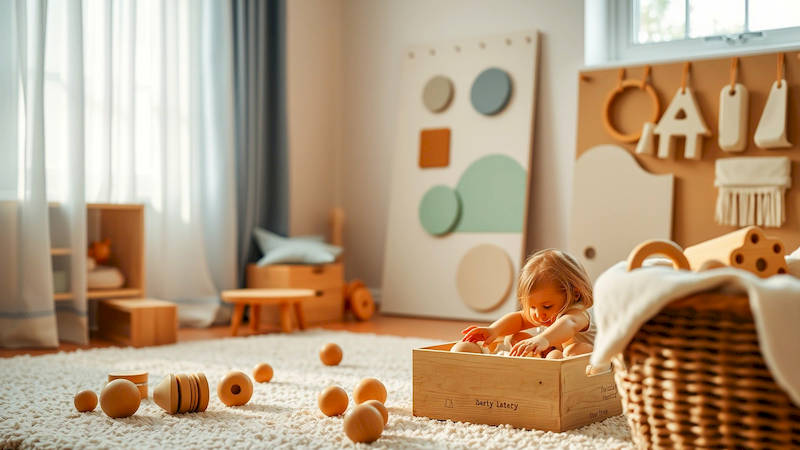
While professional therapy is essential, you can also create a more sensory-supportive environment at home. This includes minimizing clutter, reducing noise levels, and providing designated quiet spaces where your child can retreat when feeling overwhelmed. Consider creating a “sensory corner” with calming tools like weighted blankets, noise-cancelling headphones, and fidget toys. Be mindful of clothing choices, opting for soft, comfortable fabrics and avoiding tags. Communication is also key. Talk to your child about their sensory preferences and work together to find strategies for managing challenging situations.
In conclusion, recognizing the signs of sensory processing difficulties can be a crucial step in supporting your child’s development and well-being. It requires patience, observation, and a willingness to understand the world through your child's unique sensory lens. If you suspect your child may be struggling, don’t hesitate to seek professional help. Early intervention can make a significant difference in helping them navigate the sensory world with greater confidence and ease, unlocking their full potential to learn, grow, and thrive. Remember to document your observations, advocate for your child’s needs, and work collaboratively with professionals to create a tailored plan that supports their individual journey.
Deja una respuesta