
Incorporating Play-Based Physical Therapy Techniques at Home
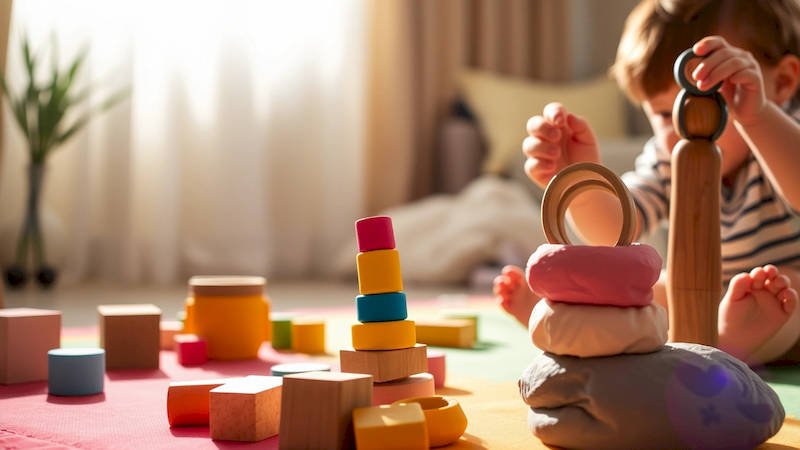
The journey of child development is a remarkable one, a tapestry woven with milestones of cognitive, social, and physical growth. Often, when we think of physical development, we picture organized sports or structured activities. However, much of a child’s foundational motor skill development happens organically through play. When movement is restricted due to developmental delays, injury, or specific conditions, traditionally physical therapy is sought. But what if tailored physical therapy techniques could be seamlessly woven into the everyday fabric of playtime at home? This article explores how to do just that, providing parents with the knowledge and practical tools to support their child's physical development through fun, engaging, and effective play-based interventions.
The beauty of play-based physical therapy lies in its inherent motivation. Children are more likely to participate and practice movements when they perceive them as part of a game, rather than a chore or “therapy.” This approach not only improves compliance but also fosters a positive relationship with movement, laying the groundwork for a lifelong love of physical activity. Moreover, the home environment offers a comfortable and familiar space, making the process less intimidating and more conducive to progress. Understanding the principles behind these techniques and how to adapt them to your child’s unique needs is key to unlocking their full physical potential.
This isn’t about recreating a formal PT session at home. It’s about applying principles therapists use – encouraging specific movements, providing appropriately graded challenges, and capitalizing on neuroplasticity – within the context of games and activities your child already enjoys, or ones you can cleverly adapt. It's about observing, adjusting, and fostering a genuine joy in movement.
- Understanding the Core Principles of Play-Based Physical Therapy
- Adapting Common Play Activities for Therapeutic Benefit
- Targeting Specific Motor Skills Through Play
- Creating a Sensory-Rich Play Environment
- Safety First: Adapting and Supervising
- Collaboration with Professionals: When to Seek Guidance
- Conclusion: Embracing Movement Through Play
Understanding the Core Principles of Play-Based Physical Therapy
Play-based physical therapy isn’t simply about letting a child play freely. It's a deliberate application of therapeutic principles interwoven into playful activities. Central to this approach is understanding a child's current motor skill level and identifying areas needing support. This requires observing how a child plays, not just what they play. Are they hesitant to climb? Do they favor one side? Do they struggle with coordination when catching a ball? These observations guide the selection of appropriate activities.
A key concept is "just right challenge." This means presenting activities slightly beyond the child’s current ability, encouraging them to stretch and grow without becoming frustrated. Too easy, and there’s no growth; too difficult, and the child will likely disengage. Graded activities – where the difficulty is systematically increased as the child improves – are crucial. Finally, harnessing intrinsic motivation is paramount. Choose activities your child genuinely enjoys, as this will maximize participation and engagement, leading to more effective outcomes. "Research consistently demonstrates that children are more motivated to participate in activities they find enjoyable, leading to improved learning and skill development," notes Dr. Angela Ramirez, a pediatric physical therapist specializing in neurodevelopmental disorders.
The neuroplasticity of a child’s brain, its ability to reorganize itself by forming new neural connections throughout life, is another core principle. Repetitive practice of specific movements, especially within a playful context, strengthens these connections, leading to lasting improvements in motor skills. This is why consistency is so important, even if it's just for short, focused periods throughout the day. The principles are not groundbreaking, but the application within a playful environment is transformative.
Adapting Common Play Activities for Therapeutic Benefit
Many everyday play activities can be easily modified to address specific physical therapy goals. Building a fort, for example, isn't just about fun; it’s an opportunity to work on gross motor skills like crawling, reaching, lifting, and maintaining balance while navigating obstacles. Encourage your child to reach high to place blankets, crawl under structures, and step over pillows – all while providing gentle support if needed. Similarly, simple games like "Simon Says" can be adapted to focus on specific movements. Instead of "Simon Says touch your toes," try "Simon Says lift one leg," or “Simon says rotate your shoulders”.
Obstacle courses are incredibly versatile. Utilize cushions, pillows, blankets, tunnels, and toys to create a course that challenges a child’s balance, coordination, and problem-solving skills. Vary the challenges – crawling, stepping over, walking around, jumping (if appropriate) – to target different muscle groups and motor skills. Ensure the course is safe and adaptable to your child’s abilities. A child working on core stability might have challenging sections requiring them to navigate a balance beam (a line of tape on the floor can serve as a substitute) or maintain a plank position for a short period.
Water play offers a unique opportunity due to the buoyancy and resistance of water, making movements easier or more challenging as needed. Activities like pouring, reaching, and splashing encourage shoulder stability, hand-eye coordination, and trunk control. Remember to always supervise closely during water play.
Targeting Specific Motor Skills Through Play
Identifying specific motor skills your child is working on allows for highly targeted play interventions. For example, if a child struggles with bilateral coordination (using both sides of the body together), activities like drumming, clapping games, or playing the piano (even with toy instruments) can be beneficial. These activities require simultaneous and coordinated movements of both hands.
If the goal is to improve core strength, incorporate activities that challenge postural control. "Animal walks" – bear walks, crab walks, frog jumps – are excellent for engaging core muscles. Bubble blowing also encourages core engagement as the child must stabilize their trunk to generate the breath needed to create bubbles. If a child has difficulty with balance, activities like walking on a line, playing catch while standing on one leg (with support initially), or using a wobble cushion can be incorporated.
For children with low muscle tone, activities that promote strong, controlled movements are crucial. Heavy work activities—pushing or pulling weighted objects (always under supervision and with appropriate weight)—can be particularly effective. This can involve moving boxes, playing with weighted balls, or even helping with household chores like carrying laundry baskets (appropriately weighted).
Creating a Sensory-Rich Play Environment
The sensory environment significantly impacts a child’s ability to move and learn. Children with sensory processing difficulties may struggle to filter and respond to sensory input, affecting their motor skills and coordination. Creating a sensory-rich play environment can help regulate their sensory system and improve their ability to engage in physical activity.
Variety is key. Incorporate different textures, colors, and smells into the play space. Provide opportunities for proprioceptive input – the sense of body position and movement – through activities like jumping, climbing, and pushing/pulling. Vestibular input – the sense of balance and spatial orientation – can be stimulated through swinging, rocking, and spinning (under supervision). Consider a sensory bin containing rice, beans, or water beads for tactile exploration. For some children, reducing sensory distractions by creating a calmer, more focused play area may be more beneficial.
Understanding your child’s individual sensory profile is crucial. An occupational therapist can provide a comprehensive assessment and recommend specific strategies to create a sensory-rich environment tailored to your child’s needs. The goal isn't to overwhelm them with sensation, but to provide appropriate and regulated sensory experiences that support their development.
Safety First: Adapting and Supervising
While play-based physical therapy is designed to be fun and engaging, safety is paramount. Always supervise your child closely during play, especially when incorporating activities that challenge their physical abilities. Adapt activities to match your child’s current skill level and avoid pushing them beyond their limits. A crucial element in ensuring safety is understanding and adhering to the child’s limitations, while simultaneously promoting growth.
Modify the environment to minimize risks. Use soft surfaces for activities that involve falling, remove obstacles that could cause tripping, and ensure adequate space for movement. Choose toys and equipment that are appropriate for your child’s age and developmental level. If you’re unsure about the safety of an activity, consult with a physical therapist.
Be mindful of fatigue. Keep play sessions short and frequent, rather than long and exhausting. Observe your child for signs of fatigue – decreased motivation, clumsiness, or irritability – and adjust the activity accordingly. Remember to celebrate small victories and provide positive reinforcement to encourage continued participation.
Collaboration with Professionals: When to Seek Guidance
Play-based physical therapy at home can be incredibly beneficial, but it’s not a replacement for professional guidance. If your child has a diagnosed developmental delay, medical condition, or injury, it’s essential to work closely with a qualified physical therapist.
A physical therapist can conduct a comprehensive evaluation to identify your child’s specific needs and develop a tailored treatment plan. They can also provide guidance on appropriate play activities, demonstrate proper techniques, and monitor your child’s progress. Regular check-ins with your therapist are vital to adjust the plan as your child improves. "The role of the PT is not to do therapy to the child, but to empower the parents and caregivers to integrate therapeutic principles into their daily routines and play," explains Dr. Ramirez.
Don't hesitate to reach out to a professional if you have any concerns about your child’s physical development or if you’re unsure how to adapt activities safely and effectively.
Conclusion: Embracing Movement Through Play
Incorporating play-based physical therapy techniques at home offers a powerful and engaging way to support your child's physical development. By understanding the core principles – identifying needs, providing appropriate challenges, harnessing motivation, and capitalizing on neuroplasticity – you can transform everyday play into valuable therapeutic opportunities. Remember to adapt activities to your child's abilities, create a sensory-rich environment, prioritize safety, and collaborate with professionals when needed.
The key takeaway is that movement doesn't have to be a chore; it can be a joyous and integral part of play. Consistent and playful engagement, combined with professional guidance when required, will empower your child to reach their full physical potential and build a lifelong love of movement. Begin by observing your child during play, identifying areas for support, and selecting one or two simple activities to incorporate into your daily routine. Embrace the process, celebrate small successes, and enjoy the journey of watching your child grow and thrive.
Deja una respuesta