
Guiding Siblings to Develop Positive Social Interactions
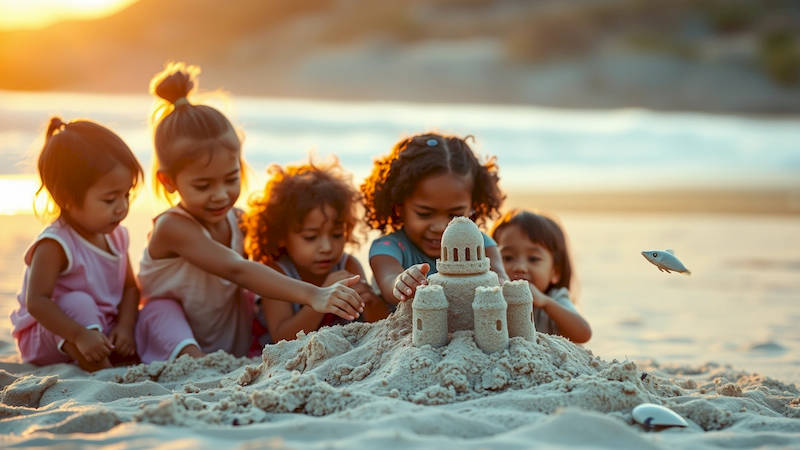
Sibling relationships are often the longest-lasting relationships in a person’s life, serving as critical training grounds for navigating the social world. However, these relationships can also be marked by conflict, competition, and tension. While squabbles are inevitable, proactively guiding siblings to develop positive social interactions is paramount for their emotional, social, and cognitive development. This article delves into effective strategies parents can employ to nurture cooperation, empathy, and respect between siblings, transforming potential battlegrounds into valuable learning environments. Understanding the dynamics at play and equipping children with the skills to navigate them is a gift that extends far beyond childhood, shaping their future relationships and overall well-being.
The benefits of strong sibling bonds are numerous. Research suggests that children with positive sibling relationships demonstrate greater emotional security, higher levels of empathy, and improved social competence. Conversely, frequent conflict can contribute to anxiety, depression, and difficulties with peer relationships. As parents, acknowledging the profound impact of these early interactions and actively intervening with supportive guidance is crucial. This isn’t about eliminating all disagreements – disagreements are learning opportunities – but about teaching how to disagree constructively and maintain a loving connection despite differences.
Understanding the Roots of Sibling Rivalry
Sibling rivalry isn't simply random; it’s often deeply rooted in developmental stages, perceived fairness, and individual temperaments. A common trigger is competition for parental attention. Children naturally want to feel uniquely loved and valued, and they may interpret a parent’s focus on a sibling as a diminishment of their own importance. This is especially true when a new sibling arrives, as the older child may fear a loss of status or affection. Understanding these underlying motivations is the first step in addressing the behavior, rather than simply reacting to the surface-level conflict.
Another key factor is the developmental stage of each child. Toddlers and preschoolers, still learning to regulate their emotions, often resort to hitting, grabbing, or shouting to communicate their needs. School-aged children may engage in more sophisticated rivalry, involving teasing, exclusion, or tattling. Adolescents might experience rivalry manifesting as competition for resources, autonomy, or social status. Recognizing these age-related patterns allows parents to tailor their responses to what’s developmentally appropriate. For instance, a toddler's grabbing might necessitate a gentle redirection, while an adolescent's exclusionary behavior demands a conversation about empathy and respecting boundaries.
Finally, temperamental differences play a significant role. A sensitive child may be easily upset by a boisterous sibling, while a more assertive child may unintentionally provoke conflict. Recognizing these innate personality traits allows parents to avoid assigning blame and instead focus on helping each child understand and accommodate the other’s needs. According to Adele Faber and Elaine Mazlish, authors of Siblings Without Rivalry, "[R]ivalry is not a sign that you’ve failed as a parent—it’s a sign that your children are growing up.” Accepting this perspective can alleviate parental guilt and empower a more constructive approach.
Establishing Fair Rules and Expectations
Fairness isn’t about treating each child identically; it’s about treating each child equitably, based on their individual needs and developmental stage. A common mistake parents make is attempting to enforce identical rules for children of different ages, leading to resentment and a perception of unfairness. For example, expecting a five-year-old to be as responsible for chores as a ten-year-old is unrealistic and fosters frustration. Instead, consider age-appropriate responsibilities that contribute to the family’s well-being.
Clearly defined rules, consistently enforced, are essential. These rules should focus on respectful behavior, such as “no hitting,” “no name-calling,” and “use kind words.” Post these rules in a visible location as a constant reminder. The enforcement should be consistent; selectively ignoring misbehavior sends the message that the rules don’t apply to everyone, or in every situation. However, consistency doesn't equate to rigidity. It's important to explain the reason behind the rules – to foster understanding and empathy. "We don't interrupt when someone is speaking because it shows respect for their thoughts and feelings."
Moreover, proactively discuss expectations before potential conflicts arise. If siblings are sharing a toy, discuss a time limit for each person before the fighting begins. If they're working on a project together, outline roles and responsibilities beforehand. This preventative approach minimizes opportunities for resentment and fosters a sense of cooperation. Dr. Laura Markham, a clinical psychologist, stresses the importance of “connection before correction,” suggesting that proactively building a strong relationship with each child lays the foundation for more effective discipline.
Teaching Conflict Resolution Skills
Equipping children with the skills to resolve conflicts independently is one of the most valuable gifts parents can give. This starts with modeling healthy conflict resolution in your own interactions. Children are keen observers, and they learn more from what you do than from what you say. Avoid yelling, name-calling, or withdrawing emotionally during disagreements with your partner, and instead demonstrate respectful communication and compromise.
Specifically, teach children to use “I” statements to express their feelings without blaming or accusing. Instead of saying, “You always take my toys!,” encourage them to say, “I feel frustrated when my toys are taken without asking.” This shift in language promotes accountability and reduces defensiveness. Also, teach them active listening skills – encouraging them to truly hear and understand their sibling's perspective. Role-playing scenarios can be helpful. Present a common sibling conflict (e.g., disagreement over a game) and have them practice using “I” statements and active listening to reach a solution.
Introduce the concept of compromise and brainstorming solutions. Sometimes, a simple solution is possible; other times, a more creative approach is needed. Encourage them to think of multiple solutions, even if they seem unconventional. Focus on the process of problem-solving rather than on finding the ‘right’ answer. Finally, emphasize the importance of apology and forgiveness. Learning to genuinely apologize and accept forgiveness fosters healing and strengthens the sibling bond.
Fostering Individual Strengths and Interests
Often, sibling rivalry stems from a perceived lack of individuality. When children feel they are constantly compared to their siblings, they may develop resentment and a need to compete. Instead, actively celebrate each child’s unique strengths and interests. Avoid making comparisons, even seemingly positive ones. Instead of saying, “Your sister is so good at art, you should try it too,” say, “You are such a creative builder! I love seeing what you create with your blocks.”
Provide opportunities for each child to pursue their individual passions. Enroll them in different activities, encourage them to develop different hobbies, and support their unique talents. This allows them to build self-esteem and a sense of identity independently of their sibling. Creating dedicated “one-on-one” time with each child is also critical, demonstrating that your love and attention aren't contingent on their sibling’s presence.
Furthermore, create a home environment that values diversity and individuality. Celebrate different perspectives, encourage independent thinking, and embrace each child’s unique personality. This fosters a sense of belonging and acceptance, reducing the need to compete for attention or validation. By nurturing individuality, you empower each child to shine in their own way, fostering a more harmonious sibling dynamic.
The Importance of Parental Neutrality
Maintaining neutrality during sibling conflicts is challenging, but vital. Resist the urge to automatically side with one child or to assign blame. Instead, focus on facilitating a resolution rather than determining who is “right” or “wrong.” Reacting emotionally or taking sides reinforces the conflict and prevents children from learning to resolve disputes independently.
When intervening, aim to be a mediator – helping the children articulate their feelings and find a compromise. Ask open-ended questions, such as “What happened from your perspective?” and “What would make this situation better?” Refrain from offering unsolicited advice or judgments. A phrase like, “It sounds like you’re both feeling frustrated. Let’s try to figure out a way to share,” demonstrates empathy and encourages collaboration.
However, neutrality doesn’t mean passivity. If the conflict escalates to physical aggression or involves persistent bullying, intervene immediately to ensure safety and enforce consequences. Physical violence is never acceptable. But, even in these situations, focus on the behavior rather than labeling the child as “bad.” "Hitting is not okay. We need to find a different way to express your anger." Continue to emphasize the expectation of respectful behavior and provide guidance on conflict resolution skills.
Recognizing When Professional Help is Needed
While implementing these strategies can significantly improve sibling relationships, some situations may require professional intervention. If sibling rivalry is severe, causing significant distress to the children or the family, consider seeking guidance from a therapist or counselor. Warning signs include persistent physical aggression, chronic bullying, emotional withdrawal, or significant anxiety related to sibling interactions.
A therapist can provide a neutral space for children to explore their feelings and develop coping mechanisms. They can also work with the family as a whole to identify underlying issues and improve communication patterns. Don't hesitate to seek help; therapy can be a valuable tool in navigating complex family dynamics and fostering healthier relationships. According to the American Academy of Child and Adolescent Psychiatry, early intervention is key to addressing behavioral problems and promoting positive mental health.
In conclusion, guiding siblings toward positive social interactions is a complex but immensely rewarding endeavor. It requires understanding the developmental stages, establishing fair rules, teaching conflict resolution skills, fostering individuality, and maintaining parental neutrality. It's about more than just stopping fights; it's about equipping children with the social and emotional tools they need to build strong, resilient relationships throughout their lives. While challenges are inevitable, remember that nurturing a positive sibling dynamic is a long-term investment in their well-being and future happiness. The key takeaways are to prioritize individual attention, consistently model healthy communication, and actively facilitate resolution rather than dictate outcomes. Begin with small, consistent steps, and remember that progress, not perfection, is the goal.
Deja una respuesta