
Teaching Environmental Science Through Backyard Ecology Exploration
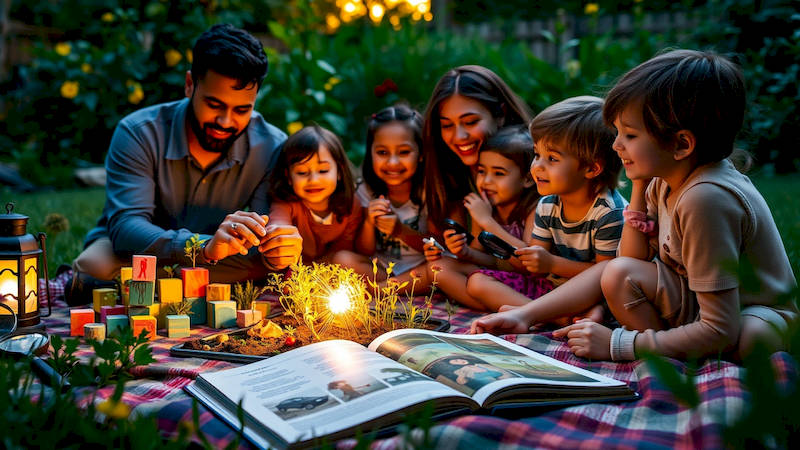
Environmental science can seem daunting – a complex web of global challenges like climate change, deforestation, and pollution. However, the foundation of understanding these issues lies in a far more accessible and engaging place: our own backyards. Teaching children about environmental science through backyard ecology exploration isn’t just about identifying plants and bugs; it’s about fostering a deep connection to nature, cultivating a scientific mindset, and empowering the next generation to become environmental stewards. This approach moves beyond textbook learning, offering hands-on, experiential education that makes abstract concepts concrete and personally relevant.
This method actively addresses the growing disconnect many children have with the natural world. Richard Louv, author of Last Child in the Woods, coined the term "nature-deficit disorder" to describe the human cost of alienation from nature. This alienation not only impacts our children’s physical and emotional well-being but also hampers their ability to understand and appreciate the need for conservation. Backyard ecology provides a readily available cure, offering a localized laboratory for scientific inquiry and wonder, regardless of whether you reside in a sprawling rural property or a modest urban garden.
Furthermore, integrating backyard ecology into STEM education supports national science standards and encourages critical thinking skills. It provides fertile ground for observing, questioning, predicting, and investigating – all crucial components of scientific methodology. This active learning process leads to deeper understanding and retention of knowledge, fostering a lifelong love of learning and a proactive approach to environmental stewardship.
- Building a Foundation: Understanding Ecosystems & Biodiversity
- The Soil Story: A World Beneath Our Feet
- Water Wonders: The Cycle of Life
- Insect Investigations: The Tiny Titans of the Ecosystem
- Observing the Impacts: Human Influence and Environmental Change
- Extending the Exploration: Citizen Science & Beyond
Building a Foundation: Understanding Ecosystems & Biodiversity
At the core of environmental science lies the concept of ecosystems. An ecosystem isn’t just a collection of plants and animals; it’s the intricate interplay between living organisms (biotic factors) and their non-living environment (abiotic factors) such as sunlight, water, soil, and temperature. Exploring a backyard provides a perfect microcosm to illustrate this. A simple patch of grass, for example, doesn’t exist in isolation. It interacts with insects that pollinate flowering plants, birds that feed on those insects, and the soil that provides nutrients for growth. The absence of any one component can have cascading effects on the entire system.
To help children grasp this concept, encourage them to map their backyard, identifying different 'zones' – the sunny area, the shady area, the damp area. Within these zones, have them document the plants and animals they observe. This isn't simply listing species; it's noting relationships. Who eats whom? What provides shelter? Where does each organism get its water? A visual representation – a food web or a simple diagram illustrating the flow of energy – can bring these connections to life. Discuss what might happen if a key organism, like a pollinator, were to disappear.
Biodiversity, the variety of life within an ecosystem, is equally vital. A diverse ecosystem is a resilient ecosystem, better equipped to withstand environmental changes. Explain to children that a monoculture – a single type of plant, like a vast lawn – is less healthy and less stable than a diverse garden with a variety of flowers, vegetables, and herbs. Demonstrate this by comparing the insect life found in a monoculture lawn versus a more diverse garden space; the latter will likely support far more species and therefore be more ecologically robust.
The Soil Story: A World Beneath Our Feet
Most people overlook one of the most crucial components of any ecosystem: the soil. Yet, soil is far more than just “dirt”; it’s a dynamic, living environment teeming with billions of organisms, from microscopic bacteria and fungi to larger creatures like earthworms and insects. These organisms play a vital role in nutrient cycling, decomposition, and soil structure, all essential for plant growth and overall ecosystem health. Introducing children to the world beneath their feet is a powerful way to demonstrate the interconnectedness of life.
A simple soil investigation can be incredibly revealing. Have children collect soil samples from different areas of the garden – under a tree, from a garden bed, near a compost pile. Allow them to examine the samples closely, using a magnifying glass to observe the different particles and, if possible, any visible organisms. Discuss the different components of soil: sand, silt, clay, and organic matter. Explain how each contributes to soil health. You can even conduct a simple soil layering experiment in a clear jar, allowing the different particles to settle over time and demonstrating the soil composition.
Moreover, connect soil health to composting. Explain how composting food scraps and yard waste returns vital nutrients to the soil, creating a natural fertilizer and reducing landfill waste. Building a small compost bin together provides a tangible way for children to participate in a sustainable practice and witness the process of decomposition firsthand.
Water Wonders: The Cycle of Life
Water is the lifeblood of any ecosystem, and understanding the water cycle is fundamental to understanding environmental science. Exploring how water moves through a backyard ecosystem – from rainfall to runoff, from absorption by plants to evaporation – provides a practical demonstration of this critical process. Emphasize the importance of clean water and the impact of pollution on aquatic ecosystems.
A simple rain gauge constructed from a plastic bottle can help children measure rainfall and understand variations in precipitation. Observing how water flows across the yard after a rain can illustrate the concept of runoff and the potential for erosion. Discuss how plants absorb water through their roots and release it into the atmosphere through transpiration. Observe condensation on leaves or windows on cool mornings, illustrating how water returns to the atmosphere.
Further enhance the lesson by discussing water conservation practices. How can we reduce water waste in the garden? What are the benefits of collecting rainwater? Researching local watersheds and the sources of your drinking water can also provide a broader context and emphasize the importance of protecting water resources.
Insect Investigations: The Tiny Titans of the Ecosystem
Insects are often overlooked, but they are arguably the most important creatures in many ecosystems. They play essential roles in pollination, decomposition, and nutrient cycling, and serve as a vital food source for other animals. A backyard provides a perfect opportunity to study insect biodiversity and learn about their complex life cycles.
Encourage children to become "insect explorers", observing and identifying the different insects they find in the garden. Provide them with magnifying glasses, field guides, or insect identification apps. Focus not just on identification but also on observation – how do insects move? What do they eat? Where do they live? Building a simple insect hotel can provide shelter for beneficial insects like bees and ladybugs, attracting them to the garden and providing a closer look at their behavior.
Explain the importance of pollinators, especially bees and butterflies. Discuss how they transfer pollen from flower to flower, enabling plants to reproduce. Consider planting a pollinator-friendly garden with a variety of flowering plants that provide nectar and pollen throughout the growing season. Avoid using pesticides, which can harm beneficial insects.
Observing the Impacts: Human Influence and Environmental Change
While backyard ecosystems seem relatively isolated, they are not immune to the effects of human activity and environmental change. Observing these impacts, even on a small scale, can be a powerful learning experience. Look for signs of pollution, such as litter or runoff from nearby roads. Discuss the impact of climate change, such as increasing temperatures or changes in rainfall patterns.
Examine the effects of invasive species. Are there any non-native plants or animals in the garden that are outcompeting native species? Researching these species and their impact on the local ecosystem can highlight the importance of biodiversity and the dangers of introducing non-native organisms. Consider the impact of habitat loss. Has the backyard been altered in any way that has reduced habitat for wildlife?
Prompt discussions about what steps can be taken to mitigate these impacts. Can you reduce your use of plastics and other pollutants? Can you plant native trees and shrubs to provide habitat for wildlife? Can you conserve water and energy? These conversations empower children to become active agents of change.
Extending the Exploration: Citizen Science & Beyond
The learning doesn't have to stop at the backyard fence. Encourage children to participate in citizen science projects, where they can contribute to real scientific research by collecting and sharing data. There are numerous opportunities available, from monitoring butterfly populations to tracking bird migrations to assessing water quality. Websites like SciStarter and Zooniverse list a wide range of citizen science projects suitable for all ages.
Connecting with local environmental organizations can also provide opportunities for volunteering and learning. Visiting nature centers, participating in guided hikes, and attending workshops can broaden children's understanding of environmental issues and inspire them to take action. Ultimately, the goal is to foster a lifelong connection to nature and a commitment to environmental stewardship.
In conclusion, teaching environmental science through backyard ecology exploration offers a powerful and engaging alternative to traditional classroom learning. By immersing children in the natural world, we not only cultivate their scientific curiosity but also empower them to become informed and responsible citizens. The backyard isn’t just a space for play — it’s a living laboratory offering invaluable lessons on interconnectedness, biodiversity, and the profound impact humans have on the planet. Encourage observation, promote questioning, and foster a deep appreciation for the natural world, and you'll be fostering not just a love of science, but a future generation of environmental champions. The next step is simple: step outside, explore, and discover the wonders that await in your own backyard.
Deja una respuesta