
Setting Up a Learning-Friendly Environment at Home for Early Success
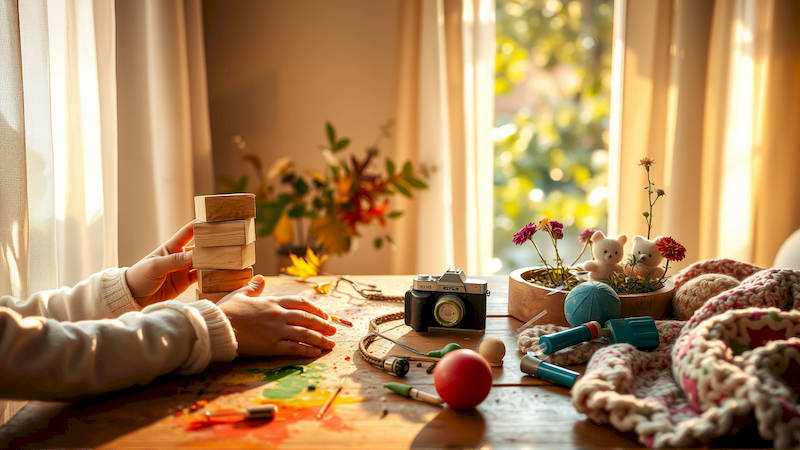
The first five years of a child’s life are a period of incredible brain development, laying the foundation for all future learning. While formal schooling plays a vital role, the home environment is arguably more influential during these formative years. It’s within the comfortable, secure space of home that children first begin to explore, question, and develop a love for learning. This isn’t about turning your living room into a classroom; rather, it’s about intentionally designing a space—both physically and emotionally—that nurtures curiosity, creativity, and a lifelong pursuit of knowledge.
Many parents feel pressured to provide constant stimulation or structured lessons, but a truly learning-friendly environment is often simpler than it seems. It’s less about expensive toys and elaborate setups and more about creating opportunities for exploration, accessibility, and a sense of ownership over the learning process. Studies in early childhood development consistently demonstrate that children thrive in environments where they feel safe, supported, and empowered to investigate their surroundings.
This article dives deep into the myriad ways parents can transform their homes into havens of learning, focusing on practical strategies applicable to various living situations and budgets. We’ll move beyond the superficial and explore the underlying principles of effective learning environments, ensuring your child is well-prepared for academic success and, more importantly, a lifelong passion for discovery. Ultimately, it's about fostering a home where learning isn’t a chore, but a joyful adventure.
Designing a Physical Space for Exploration and Discovery
Creating a physically stimulating environment doesn’t require a large home or a considerable budget. The key is intentionality and organization. Designated learning areas don’t necessarily mean separate rooms; even a corner of a playroom, a well-organized bookshelf in a living room, or a specific tabletop can create a dedicated space. This helps children mentally associate the area with learning and focused activity. The space should be adaptable, allowing for different types of play and learning – building, art, reading, imaginative play. This flexibility encourages diverse skill development.
Consider the accessibility of materials. Everything a child uses should be within their reach—low shelves, open containers, and clearly labelled bins encourage independence and self-directed learning. “Children need to be able to access their materials independently,” explains Dr. Maria Montessori, a pioneer in early childhood education. “This fosters a sense of order, concentration, and self-discipline.” This doesn’t mean a chaotic free-for-all; it means thoughtful organization where children can easily locate what they need and put it away afterwards, fostering responsibility.
Furthermore, think about incorporating natural elements. Natural light is crucial, and access to natural materials like wooden toys, plants (ensure they are non-toxic!), and natural fabrics can create a calming and stimulating atmosphere. Avoid excessive screen time and overly stimulating colors; a more neutral palette with pops of color from toys and artwork can create a more focused learning environment. Regularly rotating toys and materials keeps things fresh and prevents boredom, ensuring continued engagement.
Fostering a Literacy-Rich Home Environment
Literacy begins long before a child learns to read. Surrounding them with books, words, and storytelling opportunities is fundamental to fostering a love of language. This goes beyond merely having a bookshelf; it’s about making books a visible and integral part of daily life. Display books with covers facing forward, create cozy reading nooks with comfortable seating and good lighting, and most importantly, read aloud to your child every day, even after they learn to read independently.
Make reading interactive. Ask open-ended questions about the story, characters, and illustrations. Encourage your child to predict what will happen next and to make connections between the story and their own experiences. Expand their vocabulary by explaining unfamiliar words in context. The goal isn’t just to decode the words on the page, but to cultivate comprehension, critical thinking, and a genuine appreciation for literature. Engaging with a variety of genres, including picture books, poetry, and non-fiction, is also important.
Beyond books, incorporate other literacy-building activities into daily routines. Label objects around the house with simple words, encourage drawing and writing (even scribbles are valuable!), and play rhyming games. “Language is not simply about learning words,” says Dr. Louise Derman-Sparks, a leading expert in anti-bias education. “It’s about constructing meaning and expressing ourselves.” Creating opportunities for children to use language, both orally and in writing, is just as crucial as exposing them to it.
Encouraging Play-Based Learning and Creativity
Play is often dismissed as “just fun,” but it’s actually the primary way children learn. Through play, children experiment, problem-solve, develop social skills, and make sense of the world around them. A learning-friendly home prioritizes unstructured play time, allowing children to follow their own interests and imaginations without adult direction. This doesn't mean abandoning all structured activities, but rather ensuring there’s ample time for free, open-ended play.
Provide a variety of open-ended toys—blocks, art supplies, dress-up clothes, natural materials—that encourage creativity and imaginative thinking. Avoid toys that have a single predetermined purpose. Instead, opt for toys that can be used in multiple ways. A set of wooden blocks can become a castle, a building, or a spaceship, depending on the child’s imagination. Similarly, art supplies allow children to express themselves and explore their creativity without limitations.
Furthermore, embrace messy play! While it might be tempting to keep everything clean and tidy, allowing controlled mess encourages exploration and sensory learning. Setting up a designated “messy play” area with easy-to-clean surfaces can minimize stress and maximize learning. Activities like painting, playdough, sand play, and water play provide valuable opportunities for sensory exploration and development. The experience of exploring different textures, consistencies, and materials is incredibly beneficial for young children.
The Power of Routine and Predictability
While a learning-friendly environment emphasizes exploration and creativity, routine and predictability are equally important. Consistent routines provide children with a sense of security and stability, allowing them to focus on learning without anxiety. A predictable daily schedule—even a flexible one—helps children understand what to expect and reduces behavioral challenges.
This routine should incorporate dedicated time for learning activities, but it doesn’t need to be rigid or overly structured. For example, a morning routine might include breakfast, reading a book together, and free play, followed by a specific learning activity like sorting objects by color or building with blocks. The key is to create a balance between structured activities and unstructured play time. Regularly scheduled story times, art sessions, or outdoor explorations provide opportunities for learning and bonding.
Consistency also extends to expectations and boundaries. Clear rules and consistent consequences help children learn self-discipline and responsibility. Utilizing positive reinforcement—praising effort and progress—rather than focusing solely on mistakes encourages a growth mindset. “Children learn best when they feel safe and secure,” says Dr. Becky Bailey, author of Conscious Discipline. “A consistent routine and clear expectations provide that sense of safety.”
Modeling Lifelong Learning and Curiosity
Perhaps the most crucial element of a learning-friendly home isn't the physical environment or the specific activities, but the attitudes and behaviors of the adults within it. Children learn by observing their parents and caregivers. If you demonstrate a love of learning, a willingness to explore new things, and a curious mindset, your child is far more likely to develop those qualities as well.
Be a learner yourself! Read books, take classes, engage in hobbies, and share your learning experiences with your child. Talk about what you’re learning, ask questions, and show genuine curiosity about the world around you. This models a growth mindset and demonstrates that learning is a lifelong process. Answer your child’s endless “why” questions patiently and enthusiastically, even if you don’t know the answer. Use those moments as opportunities to research together.
Furthermore, embrace mistakes as learning opportunities. Show your child that it’s okay to make mistakes, and that mistakes are a natural part of the learning process. Talk about your own mistakes and how you learned from them. This fosters resilience and encourages a willingness to take risks. Ultimately, fostering a learning-friendly environment isn’t about creating a perfect home; it’s about creating a space where curiosity is celebrated, exploration is encouraged, and learning is a joyful and ongoing adventure.
In conclusion, creating a learning-friendly home environment for early success isn’t about prescriptive methods or exorbitant resources. It's about a subtle but powerful shift in perspective – viewing the home as a fertile ground for nurturing curiosity and a lifelong love of learning. By intentionally designing the physical space, prioritizing literacy, embracing play-based learning, establishing routines, and modeling a learning mindset, parents can lay a strong foundation for their child’s future success. Remember to focus on fostering independence, encouraging exploration, and celebrating both the process and the product of learning. The most significant takeaway is this: a learning-friendly home isn't built overnight, but cultivated through consistent effort and a genuine desire to support your child’s intellectual and emotional growth. Start small, be patient, and enjoy the journey of learning alongside your little one.
Deja una respuesta