
Preparing Your Child for Classroom Transitions Through Play-Based Learning
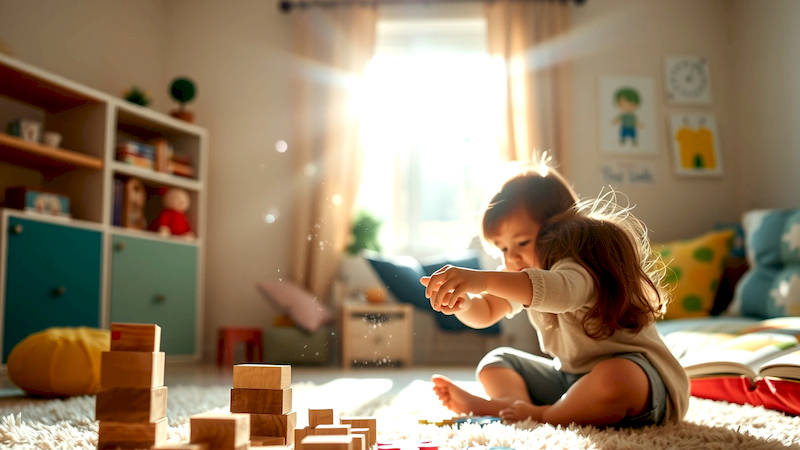
The start of preschool, kindergarten, or even a new grade represents a significant transition for young children. Beyond academic expectations, these shifts introduce new routines, social dynamics, and demands for independence. While anxiety about these changes is perfectly normal, proactively preparing children can dramatically ease the transition and foster a positive attitude towards learning. Unfortunately, many preparation methods focus heavily on rote learning—flashcards, pre-teaching academic concepts—potentially increasing stress while overlooking the power of a child's natural learning language: play. This article delves into how leveraging play-based learning can be the most effective strategy for ensuring a smooth and successful classroom transition for your child, paving the way for confident and joyful engagement in their educational journey. We will explore specific play strategies, address common anxieties, and provide actionable steps parents can take to support their little learners.
Traditional transition preparation often mimics the classroom environment, attempting to get a head start on academics. However, this overlooks the crucial developmental needs of early childhood. A child’s brain develops best through exploration, experimentation, and social interaction – all hallmarks of play. Play isn’t simply "fun"; it’s the primary way children process emotions, build problem-solving skills, practice social-emotional regulation, and develop a sense of self. Neglecting this vital aspect of learning can result in a child who is academically “ready” but emotionally unprepared for the complexities of a classroom setting. Furthermore, focusing solely on academics can increase pressure and anxiety, ultimately hindering a child’s willingness to take risks and embrace new experiences.
- Understanding the Emotional Landscape of Classroom Transitions
- Play-Based Strategies to Simulate the Classroom Experience
- Fostering Social-Emotional Skills Through Play
- Practicing Independence Through Playful Activities
- Addressing Specific Fears and Anxieties through Play
- Collaborating with Teachers & Building a Supportive Bridge
- Conclusion: Play as the Cornerstone of a Smooth Transition
Understanding the Emotional Landscape of Classroom Transitions
Classroom transitions are laden with emotional challenges for young children. Separating from parents, navigating a new physical space, and interacting with unfamiliar peers can all evoke feelings of fear, uncertainty, and sadness. It’s vital to acknowledge and validate these feelings, rather than dismissing them with assurances like “Don't worry, you’ll be fine!” These reassurances minimize a child’s legitimate emotions and can hinder their ability to develop healthy coping mechanisms. Even seemingly confident children can experience anxieties they struggle to articulate. Teachers often observe a surge in clinginess, withdrawal, or behavioral changes during the first few weeks of school, all indicators of the emotional weight of this adjustment period.
Effective preparation involves helping children identify and label their emotions. Encourage conversations about feeling nervous, scared, or excited. Books and stories about starting school can provide a safe space to explore these feelings vicariously. Role-playing scenarios involving separation and new social situations can also be incredibly beneficial. "Let's pretend I'm the teacher, and you're at school. How would you ask for help if you needed it?" This allows children to practice coping strategies in a low-stakes environment. Remember, the goal isn't to eliminate these feelings, but to equip children with the tools to manage them.
A critical element is understanding attachment theory. Children with secure attachments to their caregivers are generally better able to cope with separation and explore new environments. Cultivating a secure attachment through consistent responsiveness and loving interactions prior to the transition will provide a strong foundation of emotional resilience. Fun, playful interactions further strengthen these bonds, offering a buffer against stress.
Play-Based Strategies to Simulate the Classroom Experience
One of the most effective ways to prepare children for classroom transitions is to recreate aspects of the classroom environment through play. This doesn't mean setting up a miniature classroom replica; it means incorporating elements of classroom routines and activities into everyday play. For example, setting up a “circle time” with stuffed animals allows children to practice listening, taking turns speaking, and following simple instructions. Similarly, creating a “writing center” with art supplies encourages creative expression and pre-writing skills.
Focus on creating opportunities for role-playing different classroom scenarios. Perhaps your child can be the teacher, and you can be the student, practicing asking for help, sharing materials, or resolving conflicts. This playful approach allows children to explore these situations in a safe and controlled manner, building confidence and problem-solving skills. Furthermore, games that emphasize turn-taking, waiting patiently, and following rules – such as simple board games or cooperative building activities – directly translate to classroom expectations.
Consider mimicking the classroom schedule. If the classroom involves a morning meeting, incorporate a similar ritual into your home routine. If there's a dedicated reading time, create a cozy reading nook and engage in shared reading experiences. The predictability of these familiar routines can provide a sense of comfort and security when starting school. Dr. Laura Markham, a clinical psychologist and parenting expert, emphasizes that “predictability breeds security. Knowing what to expect, even if it’s something new, reduces anxiety.”
Fostering Social-Emotional Skills Through Play
Successful classroom transitions rely heavily on a child's social-emotional development. This includes skills like empathy, cooperation, conflict resolution, and self-regulation. These skills aren’t taught through worksheets; they are cultivated through social interaction and play. Engage in playdates with other children to provide ample opportunities for practicing these skills. Observe your child’s interactions, offering gentle guidance and support when needed.
Games that require collaboration, such as building a tower together or completing a puzzle, encourage teamwork and communication. Role-playing scenarios involving conflicts – “What do you do if someone takes your toy?” – helps children develop problem-solving skills and practice assertive communication. Storytelling also provides a powerful tool for exploring different perspectives and fostering empathy. Encourage your child to imagine how characters in a story might be feeling and why.
Specifically, focus on building emotional vocabulary. Help your child identify and label their own feelings and the feelings of others. "You look frustrated. Are you feeling angry because your tower fell down?" This recognition is the first step towards emotional regulation. Learning to manage their emotions is a critical component contributing to success in any social setting, including a classroom.
Practicing Independence Through Playful Activities
Classroom environments demand a certain level of independence. Children are expected to manage their belongings, follow instructions, and take care of their own needs. You can foster these skills through playful activities at home. For example, involve your child in age-appropriate chores, such as setting the table or putting away toys. Present these tasks as "missions" or "challenges" to make them more engaging.
Play games that encourage self-sufficiency. For instance, set up a "dressing station" and let your child practice getting dressed independently. Or, create a small "snack station" where they can choose and prepare their own snacks (with supervision, of course). These activities not only build practical skills but also boost a child's confidence and sense of competence.
Gradually increase opportunities for independent decision-making. "Do you want to wear the red shirt or the blue shirt today?" "Would you like to read this book or that book?" These simple choices empower children and foster a sense of autonomy. Remember to offer choices within reasonable boundaries.
Addressing Specific Fears and Anxieties through Play
Every child experiences anxieties differently. Some may fear separation from parents, while others may worry about making new friends or struggling with the academic work. Identifying your child's specific fears is the first step towards addressing them. Once you know what's causing your child's anxiety, you can tailor your play-based interventions accordingly.
If your child fears separation, practice brief separations at home. Start with short periods – leaving the room for a few minutes at a time – and gradually increase the duration. Use a comfort object, such as a favorite stuffed animal, to provide a sense of security during these separations. Role-playing scenarios involving saying goodbye can also be helpful. Simultaneously, create a consistent and reassuring goodbye routine at school to minimize anxiety during drop-off.
If your child worries about making friends, engage in playdates and social interactions with other children. Talk about the qualities of a good friend and practice initiating conversations. Read books about friendship and discuss the importance of kindness and empathy. If the anxiety is related to academic skills, focus on playful learning activities that build confidence and enthusiasm for learning.
Collaborating with Teachers & Building a Supportive Bridge
Communication with your child's teacher is crucial. Share your insights about your child’s strengths, anxieties, and learning style. Ask the teacher about the classroom routines and expectations so you can reinforce them at home through play. A collaborative approach ensures a consistent and supportive environment for your child.
Before the school year begins, if possible, arrange a visit to the classroom. Allowing your child to familiarize themselves with the physical space and meet the teacher can significantly reduce anxiety. Participate in school orientation events and ask questions. Show enthusiasm about the school experience, as your child will pick up on your attitude.
Remember, the transition to school is a process, not a one-time event. Be patient, understanding, and supportive. Celebrate your child’s successes, no matter how small, and acknowledge their efforts. The power of play-based learning lies in its ability to make this transition a joyful adventure, setting the stage for a lifelong love of learning.
Conclusion: Play as the Cornerstone of a Smooth Transition
Preparing your child for classroom transitions through play-based learning isn’t about shortcuts or academic readiness; it's about nurturing the whole child – their emotional, social, and cognitive development. By embracing play as a primary teaching tool, you empower your child to navigate the challenges of a new environment with confidence, resilience, and a genuine love of learning. Remember to validate their feelings, simulate classroom experiences through playful activities, foster social-emotional skills, and promote independence.
Key takeaways include prioritizing emotional literacy, leveraging role-playing to practice social interactions, and fostering a strong partnership with the teacher. The most actionable next step is to dedicate 30-60 minutes each day to free, unstructured play, observing your child’s interactions and joining in the fun. Transform everyday routines into playful opportunities and consciously incorporate elements of the classroom experience into your play activities. Ultimately, a play-based approach isn’t just about preparing your child for school; it’s about preparing them to thrive in school and beyond.
Deja una respuesta