Incorporating Literacy Skills Into Everyday Activities and Play
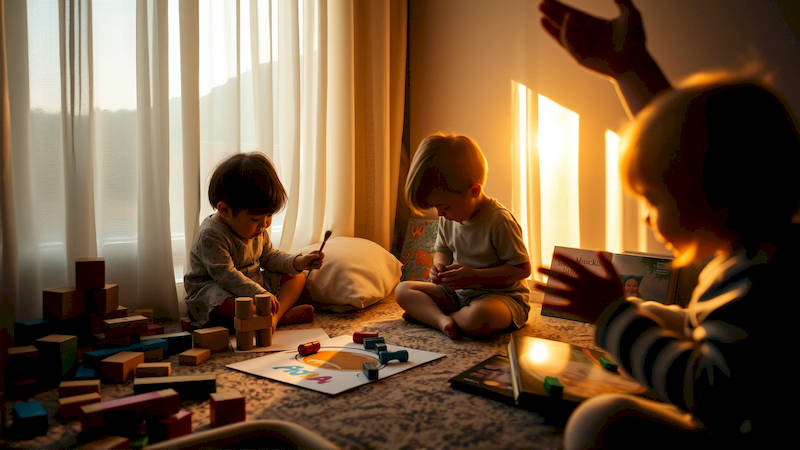
Literacy isn’t simply about decoding letters on a page; it’s the very foundation of learning, communication, and a child’s overall success. Often, parents feel that literacy development is solely the realm of the classroom, something teachers handle with workbooks and structured lessons. However, research consistently demonstrates that a child’s early literacy experiences, nurtured within the home environment, are the strongest predictors of their later reading achievement. According to the National Early Literacy Panel, pre-academic skills like phonological awareness, rapid automatized naming, and letter knowledge are crucial, and these can be cultivated organically before formal schooling even begins. This article will explore how to seamlessly integrate literacy-building activities into everyday routines and playful interactions, fostering a love of language and setting your child up for a lifetime of reading enjoyment.
We are bombarded with information about the importance of "reading to" children, and rightfully so. But truly embedding literacy goes beyond story time. It’s about turning everyday moments – grocery shopping, cooking, playing in the park – into opportunities to expand vocabulary, practice narrative skills, and build a foundational understanding of how language works. A proactive and intentional approach to incorporating literacy into daily life doesn't require special materials or extensive preparation; it simply requires a shift in perspective and a willingness to see the learning potential in everything you do. This approach also avoids the pressure some children feel around formal learning, making it a fun and natural part of their development.
- The Power of Playful Narrative: Storytelling & Dramatic Play
- Turning Chores into Chapters: Literacy in Daily Routines
- The Print-Rich Environment: Making Literacy Visible
- Phonics Fun: Sounding Out the World Around You
- Beyond Books: Expanding Literacy Through Media and Technology
- Connecting to Community: Library Visits & Real-World Literacy
- Conclusion: A Lifetime of Literacy Starts Now
The Power of Playful Narrative: Storytelling & Dramatic Play
Storytelling, in its myriad forms, is a cornerstone of literacy development. It builds narrative skills, expands vocabulary, encourages imagination, and fosters emotional intelligence. Don’t limit storytelling to bedtime; weave it into playtime! Encourage your child to create their own stories with toys, stuffed animals, or even everyday objects. Ask open-ended questions like, “What do you think the teddy bear is thinking?” or “What happens next?” Resist the urge to correct their grammar or structure; the goal is to encourage fluency and creativity. The focus should be on the process of creating, not the perfection of the product.
Furthermore, dramatic play provides a powerful context for language development. Setting up a “restaurant” and having your child take orders, write (or scribble) menus, and interact with “customers” offers opportunities to practice conversational skills, understand different roles, and engage with print in a meaningful way. Similarly, a “doctor’s office” can involve writing prescriptions, reading charts (even if just pictures!), and verbalizing symptoms. “According to a study by the American Academy of Pediatrics, pretend play helps children develop crucial problem-solving skills and learn to regulate their emotions, which ultimately supports their cognitive and linguistic development.” This type of play isn’t frivolous; it’s profoundly educational.
Turning Chores into Chapters: Literacy in Daily Routines
Many daily tasks are overlooked as potential literacy-building moments, but they’re ripe with opportunity. Grocery shopping, for example, can become a vocabulary lesson. Ask your child to identify fruits and vegetables, read labels (even if they’re just recognizing the first letter of their favorite snack), and compare prices. Cooking together offers chances to follow recipes (again, focusing on recognizing key words or pictures), measure ingredients (introducing math concepts alongside literacy), and describe the textures and smells of the food.
Even tasks like getting dressed can be educational. Ask your child to describe their outfit, identifying colors, patterns, and types of clothing. Extend this by discussing what clothes are appropriate for different weather conditions or activities. Household chores provide a real-world connection to literacy. Writing a simple to-do list together, even with pictures for pre-readers, introduces the concept of written communication and organization. The key is to verbalize your actions and involve your child in the process, constantly narrating and asking questions. Transform mundane duties into interactive learning adventures.
The Print-Rich Environment: Making Literacy Visible
Surrounding your child with print – making literacy visible in their environment – is critical. This doesn’t mean covering every surface with posters; it means creating a space where print is naturally integrated into daily life. Label items around the house (e.g., "door," "chair," "table") with simple words or pictures. Display your child’s artwork and writing alongside your own notes and lists. Have a variety of reading materials readily available – books, magazines, newspapers – and encourage your child to explore them independently.
Creating a designated reading nook, however small, can also be incredibly effective. This space should be cozy, inviting, and filled with books that your child enjoys. Regularly rotating the books keeps things fresh and exciting. Don’t underestimate the power of seeing you read. Children are more likely to develop a love of reading if they see their parents modeling reading behavior. “Children learn through observation and imitation,” states Dr. Laura Markham, a clinical psychologist specializing in child development. “Seeing their parents engaged in reading sends a powerful message that reading is valued and enjoyable.”
Phonics Fun: Sounding Out the World Around You
Phonological awareness – the ability to recognize and manipulate the sounds within words – is a crucial pre-reading skill. You don’t need flashcards or workbooks to develop this skill. Play games that involve rhyming, alliteration, and segmenting sounds. For example, ask your child, “What rhymes with cat?” or “Can you tell me the first sound in ‘dog’?” During car rides, play “I Spy” focusing on sounds rather than colors or shapes. "I spy something that starts with the /b/ sound."
Extend this beyond traditional games. When reading aloud, intentionally emphasize the sounds within words. "Listen to how 'sun' starts with the /s/ sound!" Exaggerated pronunciation can help children isolate and recognize individual sounds. Incorporating songs and nursery rhymes is also a fantastic way to reinforce phonological awareness. The musicality of these rhymes makes learning sounds more engaging and memorable.
Beyond Books: Expanding Literacy Through Media and Technology
While traditional books are essential, literacy extends beyond the printed page. Audiobooks expose children to rich vocabulary and engaging narratives, even if they’re not yet able to read independently. Educational apps and websites can also be valuable tools, but it’s important to choose them carefully, prioritizing those that focus on foundational literacy skills and interactive learning.
Consider creating a family video journal, encouraging your child to dictate stories or describe their experiences. Interactive story apps that allow children to make choices and influence the narrative can also be extremely engaging. However, remember that screen time should be balanced with other literacy activities and real-world experiences. And crucially, discuss what your child is viewing. Ask them questions about the characters, the plot, and the themes. This level of engagement transforms passive viewing into an active literacy experience.
Connecting to Community: Library Visits & Real-World Literacy
Regular visits to the local library are invaluable. Libraries offer a vast array of books, programs, and resources that support literacy development. Allow your child to choose their own books, fostering a sense of ownership and encouraging independent reading. Participate in library story times and activities, providing opportunities for social interaction and exposure to new books and authors.
Extend literacy experiences into the wider community. Point out signs, menus, and other print materials during outings. Encourage your child to read shop names, street signs, and public transportation schedules. Visit museums and historical sites, reading the informational plaques and exhibits together. These real-world connections demonstrate the relevance of literacy in everyday life.
Conclusion: A Lifetime of Literacy Starts Now
Incorporating literacy skills into everyday activities and play isn’t about adding another item to your to-do list; it’s about transforming how you interact with your child and the world around you. It’s about recognizing the learning potential in every moment and seizing opportunities to nurture a love of language. By weaving words into wonder, you're not just preparing your child for school; you're equipping them with the skills they need to thrive throughout their lives.
The key takeaways are to be intentional, playful, and patient. Focus on creating a print-rich environment, engaging in frequent storytelling, and turning daily routines into literacy adventures. Remember that every interaction is an opportunity to expand vocabulary, build narrative skills, and foster a lifelong love of reading. By embracing these strategies, you'll be laying a strong foundation for your child’s literacy success and empowering them to become confident, capable communicators. The journey of literacy begins not in a classroom, but in the warmth and connection of home.
Deja una respuesta