
Guiding Children to Understand and Respect Personal Boundaries at School
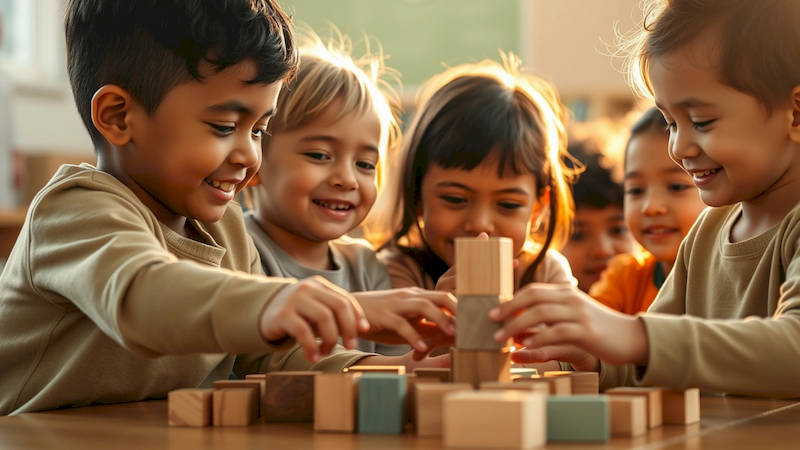
The school environment is a complex social landscape for children, demanding not only academic prowess but also the ability to navigate interpersonal relationships with respect and awareness. A crucial, yet often overlooked, component of this navigation is understanding and respecting personal boundaries – both one’s own and those of others. For many children, the concept of a personal boundary is abstract and needs explicit teaching. Difficulty in this area can lead to issues ranging from bullying and social exclusion to anxiety and difficulty forming healthy relationships. This article will provide parents and caregivers with a comprehensive guide to fostering this essential skill, equipping children to thrive socially and emotionally during their school years.
Establishing healthy boundaries isn't about building walls; it’s about creating a sense of safety and control. Children grapple with understanding what constitutes appropriate touch, personal space, and emotional sharing. Recognizing these limits allows them to feel empowered to say “no” when something feels uncomfortable, and to respect the “no” of others. Without this understanding, children are vulnerable to being taken advantage of, or conversely, unintentionally causing discomfort or harm to their peers. This skill is fundamental to a positive school experience and lays the groundwork for healthy relationships throughout life.
Ultimately, proactively addressing personal boundaries is a preventative measure. It's investing in a child’s emotional intelligence and equipping them with tools to confidently address uncomfortable situations, seek help when needed, and contribute to a respectful and empathetic school community. This isn't simply a 'school problem'; it's a life skill that benefits children across all aspects of their development, bolstered by a strong home-school partnership.
- The Foundation: Defining Personal Boundaries for Children
- Recognizing and Responding to Boundary Violations
- Empowering “No”: Building Assertion Skills
- The Role of Empathy: Understanding Others’ Boundaries
- Collaboration with School and Educators
- Addressing Potential Challenges and Counterarguments
- Conclusion: Fostering a Culture of Respect
The Foundation: Defining Personal Boundaries for Children
Defining personal boundaries for a child needs to be age-appropriate and concrete. Younger children (ages 5-7) benefit from simple explanations focused on their bodies – "Your body belongs to you. No one else has the right to touch you in a way that makes you feel uncomfortable.” This includes visibly demonstrating what appropriate touch looks like (a high-five, a hug from a trusted adult) versus what feels unsafe. It's vital to emphasize that a "safe touch" is one they want, and they always have the right to say "no," even to adults. Introduce the concept of ‘personal space’ using relatable examples - “Imagine you’re wearing an invisible bubble. Others need to respect your bubble, and you need to respect theirs.”
Older children (ages 8-11) can grasp more nuanced concepts, such as emotional boundaries. Explain that it’s okay to keep some thoughts and feelings private, and they don’t have to answer questions they don’t want to. Address the issue of sharing personal information online, emphasizing the permanence of digital content and the potential risks of sharing too much. Help them understand that respecting boundaries also means respecting other people's belongings and privacy. Facilitate discussions about different scenarios – what if a friend asks to borrow something and doesn’t return it? What if someone tries to pressure them into doing something they’re not comfortable with?
Finally, remember consistent messaging is key. These conversations shouldn’t be one-time events but rather ongoing discussions woven into daily life. Regularly check in with your child about their experiences at school, creating a safe space where they feel comfortable sharing concerns without fear of judgment. This ongoing dialogue solidifies the understanding that boundaries are not rigid rules but flexible guidelines for healthy interactions.
Recognizing and Responding to Boundary Violations
Teaching a child to recognize a boundary violation is equally as important as defining them. Certain physical cues can be indicators - feeling uncomfortable, feeling unsafe, feeling scared, or experiencing a 'gut feeling.' Discuss these feelings with your child, validating their experiences. Also, highlight verbal cues - someone relentlessly pressuring them to do something, dismissing their "no," invading their personal space repeatedly despite being asked to stop, or making comments that feel hurtful or inappropriate. Encourage your child to trust their instincts; if something feels wrong, it likely is.
The response options vary depending on the severity of the violation and your child's comfort level. For minor violations, encourage assertive but respectful communication: “Please don’t stand so close to me” or “I don’t want to talk about that right now.” Role-playing scenarios at home can build their confidence and provide them with the language to use. Critically, practice different tones of voice – firm but polite, versus aggressive or scared.
For more serious violations, particularly those involving unwanted physical contact or threats, emphasize the importance of telling a trusted adult immediately. This could be a teacher, principal, counselor, or parent. Reassure them that reporting isn’t “tattling”; it’s seeking help to ensure their safety. “You are never in trouble for telling someone when you feel unsafe.” According to StopBullying.gov, nearly 20% of students ages 12-18 experience bullying nationwide, highlighting the importance of having clear reporting mechanisms and encouraging children to use them.
Empowering “No”: Building Assertion Skills
Saying "no" is often the hardest part for children, especially those who are naturally people-pleasing or fear conflict. Help your child understand that "no" is a complete sentence, and they don't owe anyone an explanation, although they can offer one if they feel comfortable. Start practicing at home with small requests – “Can you help me with this chore?” offering them the option to decline. Gradual exposure builds confidence.
Role-playing is also crucial here. Present scenarios where a friend might pressure them to do something they don’t want to – try a new, risky activity, share a secret, or copy someone else’s work. Help them practice phrasing their refusal in a clear, firm, and respectful manner. For example: “No, thank you. I’m not comfortable with that.” or “I’ve already made plans.” Remind them that respecting their own boundaries is not selfish; it’s self-respect.
Furthermore, discuss the concept of body language. A firm tone of voice, direct eye contact (when appropriate and culturally sensitive), and a confident posture can all reinforce a verbal "no." Explain that even if they feel hesitant on the inside, projecting confidence can deter others from pushing the boundary. This isn't about pretending, it’s about managing external presentation.
The Role of Empathy: Understanding Others’ Boundaries
While asserting one’s own boundaries is vital, fostering empathy and respect for others’ boundaries is equally important. Discuss how people have different levels of comfort, and what one person considers acceptable might feel uncomfortable to another. Explain that just because someone can do something doesn’t mean they want to. “Just because Jake likes roughhousing doesn’t mean Ben does. We need to respect how Ben feels.”
Model respectful behavior yourself. Pay attention to your own nonverbal cues and ask for consent before physical touch, even with your own child. Verbally acknowledge and respect the boundaries of others. For instance, if a relative doesn’t want to hug your child, explain to your child why, emphasizing that it’s important to respect their wishes.
Encourage your child to observe social cues. If someone is backing away, avoiding eye contact, or saying “no,” it’s a clear indication that their boundary is being crossed. Teach your child to recognize these subtle signals and adjust their behavior accordingly. This skill is foundational to building strong, respectful relationships.
Collaboration with School and Educators
Open communication with your child’s school is vital. Schedule a meeting with their teacher and/or counselor to discuss your concerns about boundary awareness and seek their support. Ask about the school’s policies regarding bullying, harassment, and appropriate conduct. Find out what resources are available to students who experience boundary violations.
Share with the school any specific concerns you have about your child's social interactions or vulnerabilities. For example, if your child is particularly shy or easily influenced, let the teacher know. Collaborate on strategies to support your child in navigating social situations and assertively advocating for their needs. “We're working on helping [child's name] learn to say 'no,' could you help reinforce that in the classroom?”
Finally, advocate for school-wide programs that promote social-emotional learning, including lessons on personal boundaries, respect, and empathy. These programs can create a more supportive and inclusive school environment for all students.
Addressing Potential Challenges and Counterarguments
Some might argue that explicitly teaching boundaries can make children overly sensitive or distrustful. However, the goal is not to instill fear, but rather to empower children with the knowledge and skills to navigate social situations confidently and safely. It’s about promoting healthy self-awareness, not creating paranoia. Another challenge is that children may feel pressure to conform to peer norms, even if it means violating their own boundaries. This underlines the importance of reinforcing the message that their feelings and comfort levels are paramount.
Furthermore, breaking down ingrained societal behaviors around gender and boundaries is important. Boys are often discouraged from expressing vulnerability or asserting personal space, while girls may face pressure to be accommodating. Challenge these gender stereotypes and encourage all children to prioritize their own safety and comfort.
Conclusion: Fostering a Culture of Respect
Guiding children to understand and respect personal boundaries at school is a critical investment in their emotional well-being, social competence, and long-term success. By defining boundaries clearly, recognizing and responding to violations, building assertion skills, fostering empathy, and collaborating with schools, parents and caregivers can equip children with the tools they need to navigate the complex social landscape of school with confidence and respect.
The key takeaway is that boundary setting is not a one-time lesson, but an ongoing process of learning, practicing, and refining. Continually create a safe and open dialogue with your child, reinforcing the message that their body, feelings, and opinions matter. Encourage them to trust their instincts, advocate for their needs, and contribute to a school environment where everyone feels safe, respected, and empowered. This proactive approach not only protects children but also fosters a culture of respect and empathy within the school community, laying the foundation for a brighter and more compassionate future.
Deja una respuesta