Creative Ways to Use Rhymes and Songs to Foster Early Literacy
The journey to literacy begins long before a child enters a classroom. In fact, the foundations of reading and writing are laid in the earliest years through exposure to language rich in sounds, rhythms, and patterns. While flashcards and formal lessons have their place, a surprisingly powerful and often underutilized tool in fostering early literacy is the playful incorporation of rhymes and songs. These aren’t just fun diversions; they are vital brain-building activities that cultivate phonological awareness, vocabulary, and a genuine love of language - ultimately setting the stage for reading success.
For many adults, childhood memories are interwoven with nursery rhymes and catchy tunes. This isn’t coincidence. These simple verses and melodies are specifically designed to capture attention and promote memory, simultaneously introducing children to the building blocks of literacy. Ignoring these traditionally engaging methods in favor of purely academic approaches can inadvertently stifle a child's natural enthusiasm for language. Understanding how and why rhymes and songs are so effective is key to leveraging their power for optimal early literacy development.
This article will delve into the numerous ways parents and caregivers can creatively use rhymes and songs to support a child’s literacy journey, providing practical strategies and highlighting the underlying neurological benefits. We'll move beyond simply reading rhyming books to actively creating and playing with language through sound.
- The Neuroscience of Rhyme and Song: Why They Work
- Building Phonological Awareness through Rhyming Games
- Leveraging Songs for Vocabulary Expansion and Sentence Structure
- Creating Your Own Rhymes and Songs: Personalized Literacy
- Rhymes and Songs for Different Learning Styles
- The Role of Parent/Caregiver Modeling and Positive Reinforcement
- Connecting Rhymes and Songs to Book Reading
The Neuroscience of Rhyme and Song: Why They Work
The impact of rhymes and songs on early brain development is significant. Research shows that musical experience, even passive listening, enhances the brain's ability to process language. This is because both music and language share neurological pathways relating to sound processing, rhythm, and pattern recognition. Furthermore, rhymes specifically help children develop phonological awareness - the ability to recognize and manipulate the sounds within words. This is a critical pre-reading skill.
The repetition inherent in both rhymes and songs is also crucial. Repeated exposure to sounds and words strengthens neural connections, solidifying learning. This repetition isn't monotonous for children; the rhythm and melody make it engaging and memorable. A study by the National Early Literacy Panel (NELP) identified phonological awareness as one of the most powerful predictors of later reading achievement, and activities fostering it, like rhyming, are incredibly beneficial. Think about how easily we remember song lyrics from years ago – children experience a similar effect, building a robust foundation for language understanding.
Finally, rhymes and songs are emotionally engaging. The joy and connection experienced while singing or reciting together create positive associations with language, fostering a love of reading. This emotional connection contributes to motivation and a willingness to explore literacy further.
Building Phonological Awareness through Rhyming Games
Phonological awareness encompasses a range of skills, and rhyming is a fundamental component. It’s not simply about reciting “cat, hat, bat”; it’s about understanding that these words share a sound despite having different beginning sounds. Explicit instruction in rhyming, presented through play, is far more effective than rote memorization.
One simple activity is a “rhyme time” game. Start with a word, like "blue," and ask your child to think of words that rhyme. Provide support if needed, prompting with sounds ("What sounds like 'blue'?") and celebrating every attempt, even if it’s not a perfect rhyme. Another engaging game involves “rhyme sorts,” where you present a collection of pictures or objects and have your child sort them based on whether they rhyme with a given word. For example, a picture of a dog, log, frog, and cat – sorting the dog, log and frog. Remember, the goal isn't perfection but exposure and practice.
Another powerful technique is filling-in-the-blank rhymes. Start a rhyme with a missing word ("I like to eat a pear, a..."), encouraging your child to complete it. This forces them to actively listen for the sounds and manipulate them to create a rhyming word.
Leveraging Songs for Vocabulary Expansion and Sentence Structure
Songs aren't just about catchy tunes; they’re packed with vocabulary and demonstrate grammatical structures in a naturally engaging way. Children's songs often introduce words they might not encounter in everyday conversation, expanding their lexicon in a memorable context. Classic songs like “Twinkle Twinkle Little Star” aren’t simply about stars; they introduce descriptive language and concepts like vastness and brightness.
To capitalize on this, actively discuss the lyrics of songs with your child. Ask questions like, “What does ‘sparkle’ mean?” or “What is a ‘valley’?” Connect the song's content to real-life experiences. If singing about animals, visit a farm or look at pictures of animals. This contextualization reinforces vocabulary learning. Beyond simply listening, encourage your child to create their own verses for familiar tunes. This encourages creative expression and reinforces their understanding of rhyme and rhythm – and broader language structures.
Furthermore, pay attention to the sentence structure used in songs. They often present simple, repetitive sentences that model correct grammar. This passive exposure builds a foundation for understanding and eventually producing complex sentences.
Creating Your Own Rhymes and Songs: Personalized Literacy
While commercially available rhymes and songs are excellent resources, the real magic happens when you create your own with your child. This personalized approach further strengthens the bond between language and emotion. Don't worry about being a poet or musician; the goal is connection and creation, not perfection.
Start by describing your child’s daily activities in rhyme. “It’s time to brush your teeth so bright, brushing up and down with all your might!” Or create a song about a favorite toy. This not only reinforces vocabulary related to their world but also shows them that they can be creators of language. The act of co-creation fosters a sense of ownership and empowers them as language users.
Consider incorporating inside jokes or family experiences into your rhymes and songs, making them uniquely meaningful. This also opens up a space for conversations about memories and feelings, embedding literacy within a broader emotional context.
Rhymes and Songs for Different Learning Styles
Not all children learn in the same way. Recognizing and adapting to different learning styles ensures that every child benefits from the power of rhymes and songs. For visual learners, incorporate actions or drawings alongside rhymes and songs. Create visual aids illustrating the lyrics, or act out the story being told.
Auditory learners will thrive on listening to a wide variety of songs and rhymes, focusing on the sounds and rhythms. Encourage them to repeat the verses and experiment with different tones and voices. Kinesthetic learners benefit from movement. Turn songs into action games, incorporating clapping, stomping, or dancing. If singing about animals, act like those animals!
For children who struggle with rhyming, start with picture-based rhymes with very obvious similarities. For example, using pictures of a sun and fun. Gradually increase the complexity as their skills develop. Flexibility and responsiveness to your child’s needs are key.
The Role of Parent/Caregiver Modeling and Positive Reinforcement
Children learn by observing and imitating. Model a love of language yourself by reading, singing, and using rhymes in everyday conversations. If you demonstrate enthusiasm for language, your child is more likely to develop the same enthusiasm.
Positive reinforcement is also crucial. Praise your child's efforts, even if they don't get the rhyme or song perfect. Focus on their attempt and celebrate their willingness to participate. Avoid correction and criticism, which can discourage them. Creating a supportive and encouraging environment is paramount. Remember, the goal is to foster a love of language, not to achieve perfect pronunciation or rhyming skills.
Connecting Rhymes and Songs to Book Reading
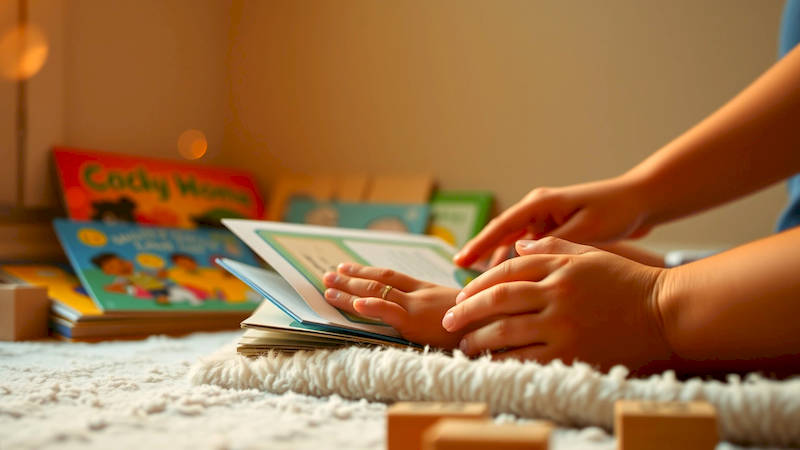
Don’t treat rhymes and songs as separate activities; integrate them into your regular reading routine. Choose books with strong rhyme and rhythm, like Dr. Seuss or Julia Donaldson’s works. Point out the rhyming words as you read, encouraging your child to predict the next word.
After reading a rhyming book, play a rhyming game related to the story. Ask your child to think of other words that rhyme with words from the book. You can even create your own verses based on the story, expanding on the narrative in a playful way. This seamless integration demonstrates the connection between spoken and written language, further strengthening literacy skills.
In conclusion, rhymes and songs are not merely charming pastimes, but powerful tools for fostering early literacy. By understanding the neurological benefits, actively engaging in rhyming games, leveraging the vocabulary-richness of songs, and creating personalized experiences, parents and caregivers can lay a strong foundation for their child's reading success. Remember, the key is to make learning playful, engaging, and emotionally meaningful. Embrace the power of playful sounds, and watch your child’s literacy journey blossom. The simple act of singing a song or reciting a rhyme can truly unlock a world of possibilities.
Deja una respuesta