Using Music and Songs to Enhance Language Development at Home
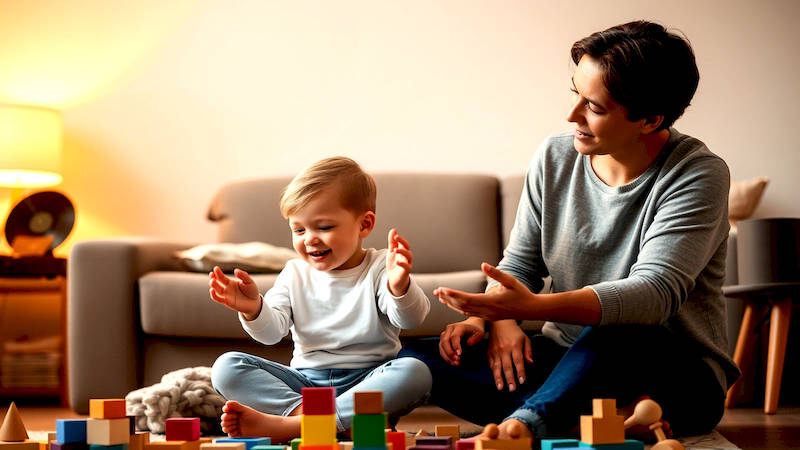
The journey of language acquisition for a child is a remarkable one, unfolding from the first coos and babbles to complex sentences and storytelling. As parents, we’re often seeking effective, engaging ways to nurture this development, and the answer may be closer than we think – within the melodies and rhythms of music and songs! Often dismissed as mere entertainment, music offers a powerful, multi-sensory platform for expanding vocabulary, improving phonological awareness, fostering grammatical understanding, and enhancing overall communication skills. This isn't about creating a prodigy, but creating a rich linguistic environment that fuels a child's natural curiosity and love of language.
The science behind this connection is compelling. Research indicates that musical training, even passive exposure to music, can stimulate brain areas associated with language processing. From nursery rhymes passed down through generations to contemporary children’s songs, integrating music into daily routines provides a naturally enjoyable and effective method for language learning. This article will explore the profound benefits of using music and songs to support your child’s language development at home, offering practical strategies and actionable tips to turn everyday moments into opportunities for linguistic growth.
- The Neurological Link: How Music Boosts Brain Development & Language
- Leveraging Songs for Vocabulary Expansion & Semantic Understanding
- Rhythmic Repetition and Phonological Awareness: Building Blocks to Literacy
- Grammar & Sentence Structure: Learning Through Musical Phrases
- Beyond the Lyrics: Movement, Interaction & Creating a Musical Environment
- Addressing Counterarguments & Individual Learning Styles
- Conclusion: A Lifetime of Learning Through Harmony
The Neurological Link: How Music Boosts Brain Development & Language
Music isn't just pleasing to the ear; it's a complex cognitive exercise. The brain processes music in multiple areas, including those responsible for language, memory, and motor skills. When children engage with music, they're strengthening neural connections that are crucial for both musical and linguistic competency. This is particularly true during the critical period of brain development – the first five years of life. Studies using fMRI technology demonstrate that musical activities activate regions of the brain overlapping with those used in language acquisition, facilitating a synergistic effect.
Furthermore, music’s inherent rhythmic structure enhances phonological awareness, the ability to recognize and manipulate the sounds of language. This skill is a crucial predictor of reading success. Songs often highlight rhymes, alliteration, and repetition, reinforcing these sound patterns in a memorable and engaging way. Think about the simple chant-like quality of "Twinkle Twinkle Little Star" or "The Wheels on the Bus" – these aren't just catchy tunes, they’re foundational lessons in sound structure. Dr. Nina Kraus, a neuroscientist at Northwestern University, has extensively researched the impact of musical training on the brain. Her work consistently demonstrates that musical experience improves the brain’s ability to process sound, a benefit that extends to speech perception and language comprehension.
Finally, the emotional connection to music plays a vital role. Music evokes feelings, and emotionally engaging experiences are more readily encoded into long-term memory. When children associate positive emotions with songs and rhymes, they're more likely to remember the associated vocabulary and language structures. This emotional resonance also encourages active participation, whether it’s singing along, clapping, or dancing, further solidifying learning.
Leveraging Songs for Vocabulary Expansion & Semantic Understanding
One of the most direct ways music supports language development is through vocabulary acquisition. Songs often introduce children to words they might not encounter in everyday conversation, expanding their semantic world. This is especially effective when songs incorporate themes or concepts unfamiliar to the child – think songs about animals, different professions, or faraway places. The repetitive nature of songs also aids memorization, making it easier for children to retain and recall these new words.
The key is to choose songs that are age-appropriate and linguistically rich. Instead of solely relying on readily available children's tunes, explore different genres and styles. Folk songs, for example, often feature descriptive language and storytelling elements. Introduce songs in different languages to broaden your child’s exposure to linguistic diversity. Following up the song with a conversation about the lyrics further reinforces understanding. For example, after singing "Old MacDonald Had a Farm," talk about the different animals, the sounds they make, and where they live.
Moreover, don't underestimate the power of creating your own songs. Crafting simple, personalized songs about daily routines – bathing, dressing, mealtime – can reinforce vocabulary related to those activities and make them more enjoyable. This personalization also strengthens the emotional connection and enhances learning. For instance, a song about getting ready for bed could include phrases like, "Pajamas on, brush your teeth bright, sleepytime stories, goodnight, goodnight!"
Rhythmic Repetition and Phonological Awareness: Building Blocks to Literacy
Phonological awareness, the understanding of how sounds form language, is a crucial skill for reading and spelling. Musical activities, particularly those emphasizing rhythm and rhyme, are incredibly effective in developing this ability. Songs with strong rhythmic patterns help children segment sounds in words, a foundational skill for decoding. The repetition inherent in many songs reinforces these sound patterns, making them more memorable and accessible.
Nursery rhymes, despite sometimes appearing simplistic, are powerhouses of phonological learning. Rhyming schemes isolate and highlight sounds, helping children recognize patterns. Games like identifying rhyming words within a song (“Cat, hat, bat – what rhymes with cat?”) further strengthen this skill. Beyond rhyming, focus on alliteration – the repetition of initial consonant sounds (“Peter Piper picked a peck of pickled peppers”). Songs that emphasize alliteration can help children become more attuned to the nuances of speech sounds.
To actively nurture this skill, slow down songs and emphasize individual syllables. Encourage clapping along to the beat to internalize the rhythmic structure. You can also create simple sound games based on song lyrics. For example, after singing a song about farm animals, ask your child to imitate the sounds of each animal, focusing on the specific sounds they produce.
Grammar & Sentence Structure: Learning Through Musical Phrases
While often overlooked, music can also support the development of grammatical understanding. Songs naturally structure language into phrases and sentences, providing children with exposure to correct sentence construction. The melodic contour of a song often mirrors the intonation patterns of speech, helping children internalize the natural rhythm and flow of language.
Pay attention to the grammatical structures used in the songs you choose. Songs that use clear, declarative sentences are particularly beneficial for early language learners. As children progress, introduce songs that incorporate more complex sentence structures, such as conditional clauses or past tense verbs. Singing songs that tell a story can also help children understand narrative structure and the sequencing of events.
To reinforce grammatical concepts, engage in sentence-building activities inspired by the songs. For example, after singing a song about different colors, ask your child to create sentences describing objects using those colors (“The ball is blue,” “The flower is red”). You can also modify song lyrics to practice different verb tenses or sentence structures.
Beyond the Lyrics: Movement, Interaction & Creating a Musical Environment
The benefits of music for language development extend beyond the lyrics themselves. Incorporating movement and interaction into musical activities enhances learning and engagement. Dancing, clapping, and playing instruments alongside the music encourage active participation and sensory exploration. These physical activities also help reinforce the connection between language and movement, which is particularly important for young children.
Create a musically rich environment at home. This doesn't require expensive instruments or formal music lessons. Simply playing music regularly – during playtime, mealtime, or bedtime – can make a significant difference. Encourage spontaneous singing and musical play. Make up silly songs, improvise lyrics, and experiment with different sounds and rhythms. Visit live music performances or attend music classes or groups to expose your child to a wider range of musical experiences.
Remember that your own enthusiasm is contagious. Children are more likely to engage with music if they see their parents enjoying it. Sing along, dance, and make music a joyful and integral part of your family life.
Addressing Counterarguments & Individual Learning Styles
While the benefits of music for language development are well-documented, it's important to acknowledge that not all children respond to music in the same way. Some children may be more visually or kinesthetically oriented, and may not be as engaged by auditory stimuli. It's crucial to observe your child's preferences and adapt your approach accordingly. If your child doesn't enjoy traditional sing-alongs, explore alternative musical activities, such as playing musical games or creating soundscapes.
Some parents may also worry that focusing on music will distract from other important language learning activities, such as reading and storytelling. However, music complements these activities, rather than replacing them. In fact, integrating music into reading and storytelling – for example, by singing books or creating musical accompaniments – can enhance their effectiveness.
Conclusion: A Lifetime of Learning Through Harmony
Integrating music and songs into your child’s daily life is a powerful and enjoyable strategy for enhancing language development. From strengthening neural connections and expanding vocabulary to improving phonological awareness and grammatical understanding, the benefits are far-reaching. Remember, this is not about turning your child into a musical prodigy; it’s about creating a rich, stimulating environment that fosters a love of language and a foundation for lifelong learning.
Key takeaways include the power of rhythmic repetition, the importance of emotional connection, and the value of active participation. To start, consciously incorporate music into your daily routines, explore diverse genres, and don't be afraid to create your own songs. Observe your child’s preferences and adapt your approach accordingly, and most importantly, make music a joyful and shared experience. By embracing the harmonious power of music, you can unlock your child’s linguistic potential and nurture their journey of communication and expression.
Deja una respuesta