
Building a Print-Rich Environment at Home to Foster Literacy
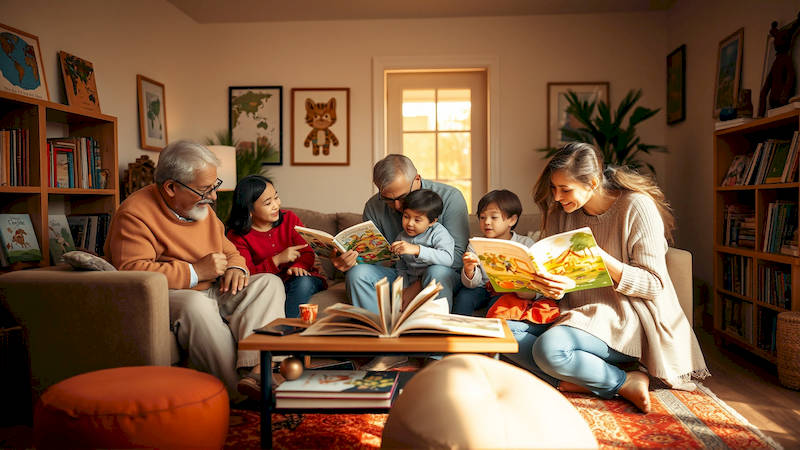
The journey to literacy begins long before a child enters a classroom. While formal education lays a crucial foundation, the most impactful early literacy experiences often happen within the home. A “print-rich environment” isn't about expensive educational toys or elaborate setups; it's about strategically surrounding a child with opportunities to encounter and interact with text in meaningful ways. This immersion fosters a natural curiosity about reading and writing, preparing them not just for school, but for a lifelong love of learning. Failing to actively build such an environment can leave children at a significant disadvantage, widening achievement gaps before they even begin.
Current research underscores the critical importance of early literacy. A 2014 study by the National Institute for Early Education Research (NIEER) found that children with greater exposure to print materials at home demonstrate stronger pre-reading skills, including phonological awareness, letter recognition, and print concepts. These skills are powerful predictors of later reading success. Moreover, a print-rich home sends a clear message: reading is valued, enjoyable, and an integral part of family life. It’s about making literacy a natural, everyday occurrence, not a scheduled lesson.
The Core Components of a Print-Rich Environment
A truly print-rich environment moves beyond simply having books available. It’s about weaving literacy into the fabric of daily routines and surroundings. This means intentionally incorporating print into various spaces and activities throughout the home, encouraging children to notice, explore, and interact with written language. Crucially, this isn’t a passive arrangement; it requires responsive interaction from caregivers. Don't just have books, read them; don’t just have labels, point them out and read them aloud. The goal is to make print ubiquitous and meaningful.
This approach doesn’t demand a complete home makeover. Small changes can have a big impact. Think about labeling items around the house – ‘door,’ ‘table,’ ‘chair’ – using simple, clear handwriting or print. Display children's artwork alongside their names and the date. Create a designated reading nook, however small, with comfortable seating and easy access to books. The idea is to normalize exposure to print, making it a natural part of the child's everyday experience. As Dr. Louisa Moats, a leading expert in literacy, emphasizes, “Early literacy isn’t about sitting a child down and drilling flashcards. It’s about creating opportunities for them to notice print and understand its purpose.”
Consider, too, the diversity of print. Include not just books, but magazines, newspapers, menus, maps, and even cereal boxes. This exposes children to different fonts, layouts, and purposes of text, broadening their understanding of print’s versatility. Regularly rotating materials keeps the environment fresh and engaging, piquing their curiosity and encouraging repeated interactions. This constant variety is vital in fostering a robust understanding of how print functions.
Integrating Print into Everyday Routines
The beauty of a print-rich environment is that it can be easily integrated into existing routines. Think about grocery shopping: involve your child in reading the shopping list, identifying items on labels, or comparing prices. During meal preparation, read recipes aloud and have your child help measure ingredients, reinforcing the connection between print and real-world activities. Bedtime routines offer another perfect opportunity for shared reading, turning it into a cherished ritual.
Beyond these specific examples, make it a habit to talk about print in everyday situations. Point out signs while driving, read street names, or discuss the text on packaging. Encourage your child to "read" menus at restaurants or to write their own grocery lists (even if it’s just scribbles). These seemingly small interactions demonstrate the functionality of print and its relevance to their lives. For example, create a family calendar and involve your child in marking important dates. This not only introduces them to the concept of time but also shows them how print is used for organization and communication.
Furthermore, capitalize on opportunities for writing. Provide crayons, markers, and paper and encourage your child to draw and "write" stories, letters, or messages. Don’t focus on perfection; the goal is to foster a sense of comfort and confidence with written expression. Take dictation from your child if they want to write a story but aren’t yet able to write independently. This demonstrates that their ideas are valued and that writing is a valuable tool for communication.
Creating Engaging Reading Spaces
While print should be everywhere, a dedicated reading space can significantly enhance a child's engagement with books. This doesn’t necessarily require a separate room; a cozy corner in the living room or bedroom can suffice. The key is to create a comfortable and inviting atmosphere that encourages exploration and relaxation. Comfortable seating, good lighting, and easy access to books are essential elements.
Think about creating a visually stimulating space. Decorate with alphabet posters, colorful book displays, and artwork inspired by favorite stories. Include a variety of books to cater to different interests and reading levels. Consider incorporating a small rug, pillows, and a blanket to make the space even more inviting. A small bookcase or storage bins can help keep books organized and accessible. It’s a space that whispers “come and explore,” rather than demands “it’s time to learn.”
Critically, let your child have some control over this space. Allow them to choose the books displayed, arrange the pillows, and personalize the area to their liking. This fosters a sense of ownership and encourages them to spend more time in the reading nook. Rotate books regularly to keep the selection fresh and maintain their interest. A dynamic reading space feels alive and inviting, further reinforcing positive associations with reading.
Modeling Literacy Behaviors
Children learn by observing. One of the most powerful ways to foster literacy is to model reading and writing behaviors yourself. Let your child see you reading for pleasure, writing letters or emails, or using print in everyday tasks. Talk about what you are reading and why you enjoy it. Share your own writing experiences, both successes and challenges.
This is more than just “showing” literacy; it’s about demonstrating its value. If your child sees you prioritize reading and writing, they are more likely to view them as important and enjoyable activities. Make reading a social activity by reading aloud together as a family. Discuss the stories, characters, and themes. Ask open-ended questions to encourage critical thinking and engagement.
Furthermore, think about the language you use. Use rich vocabulary, model correct grammar, and emphasize the importance of communication. Respond to your child’s questions and encourage them to express themselves through language. These interactions create a supportive and stimulating environment that fosters language development and literacy skills. This modeling effect is particularly strong in the early years, shaping a child's attitude towards literacy that can last a lifetime.
Recognizing and Addressing Literacy Challenges
While building a print-rich environment is beneficial for all children, it’s especially important for those who may be struggling with literacy. If you notice your child having difficulty with reading or writing, it’s crucial to seek support. This may involve consulting with their teacher, a reading specialist, or a pediatrician. Early intervention is key to addressing literacy challenges and preventing them from escalating.
It’s also important to remember that every child learns at their own pace. Avoid comparing your child to others and focus on celebrating their individual progress. Provide encouragement and support, and create a safe and non-judgmental environment where they feel comfortable taking risks. Be patient and understanding, and remember that learning to read and write is a process.
Furthermore, be aware of different learning styles. Some children may benefit from visual aids, while others may prefer auditory learning. Tailor your approach to meet your child’s individual needs and preferences. Provide a variety of learning materials and activities to cater to different learning styles. Recognizing and responding to these individual differences can significantly enhance a child's literacy development.
Beyond Books: Expanding the Print-Rich Landscape
While books are foundational, extending the print-rich concept beyond traditional reading material is crucial. Consider utilizing technology thoughtfully. Educational apps and websites can supplement learning, but prioritize interactive experiences over passive screen time. Encourage your child to use age-appropriate writing tools on tablets or computers.
Thoughtfully curated games can also integrate literacy skills. Board games that require reading instructions or spelling words can make learning fun and engaging. Card games that involve matching letters or sounds can reinforce phonological awareness. The key is to choose games that are developmentally appropriate and align with your child’s learning goals.
Don’t underestimate the power of everyday objects. Encourage your child to read recipes, instructions for building toys, or even the labels on clothing. These everyday encounters with print make literacy relevant and practical, demonstrating its importance in real-world situations. This broadening of the "print-rich" definition solidifies literacy as an inherent part of life, not merely a school subject.
In conclusion, building a print-rich environment at home is one of the most impactful things you can do to foster your child’s literacy development. It’s not about creating a perfectly decorated space or spending a fortune on educational materials; it’s about intentionally surrounding your child with opportunities to encounter and interact with print in meaningful ways. By integrating print into everyday routines, creating engaging reading spaces, modeling literacy behaviors, and addressing literacy challenges, you can lay a strong foundation for a lifetime of reading and learning. Remember, fostering a love of reading starts at home, and the seeds you plant today will blossom into a lifelong passion for literacy. The key takeaways are consistency, intentionality, and a genuine enthusiasm for reading and learning shared with your child. Start small, be patient, and celebrate every milestone along the way.
Deja una respuesta