
Incorporating Social-Emotional Learning into Daily Homework Routines
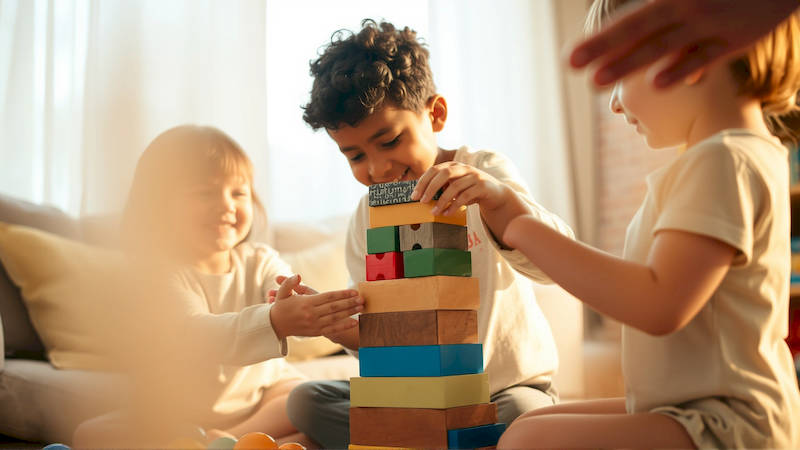
The landscape of education is evolving. While academic achievement remains vital, there's growing recognition of the critical role social-emotional learning (SEL) plays in a child’s overall development and future success. For decades, homework has been a cornerstone of reinforcing classroom learning, but often it's perceived solely as an academic exercise. What if homework time could become more than just about completing assignments? What if it could be a valuable opportunity to nurture emotional intelligence, resilience, and self-awareness? This article explores the transformative potential of intentionally incorporating SEL into daily homework routines, offering practical strategies and insights for parents to cultivate well-rounded, thriving children.
The traditional view of homework focuses heavily on content mastery, prioritizing correct answers and timely completion. However, this approach often overlooks the emotional and social challenges children face that can significantly impact their ability to learn. Anxiety about failure, frustration with difficult concepts, and struggles with time management are common hurdles. Simply pushing through these challenges without addressing the underlying emotions can lead to increased stress, decreased motivation, and a negative association with learning. Integrating SEL into homework isn't about adding extra tasks; it's about reframing how homework is approached and used as a springboard for developing crucial life skills alongside academic ones.
This isn’t just about ‘soft skills’; research consistently demonstrates a strong correlation between SEL and academic performance. A meta-analysis of over 200 studies, conducted by the Collaborative for Academic, Social, and Emotional Learning (CASEL), found that students participating in SEL programs showed an 11 percentile-point gain in academic achievement. Furthermore, these students demonstrated improved classroom behavior, reduced anxiety and depression, and increased prosocial behaviors. By fostering emotional intelligence, we not only support children's well-being but also unlock their potential for greater academic success. This article aims to equip parents with the tools and understanding to make this a reality within the everyday rhythm of homework.
Creating a Supportive Homework Environment: The Foundation of SEL
Before diving into specific strategies, it's crucial to establish a homework environment that prioritizes emotional safety and well-being. This means moving beyond simply ensuring a quiet space and adequate materials. It requires deliberate effort to create an atmosphere where children feel comfortable expressing their feelings, asking for help, and embracing mistakes as learning opportunities. Modeling this behavior yourself is paramount – showing your own vulnerability and coping mechanisms sets a powerful example. Avoid immediately jumping in to “fix” their problems; instead, encourage them to articulate the challenge and explore possible solutions.
A consistent routine is also fundamental. Predictability minimizes anxiety and allows children to mentally prepare for homework time. This means establishing a regular time, designated workspace, and clear expectations. It's also vital to separate homework from rewards or punishments. While positive reinforcement is important, linking completion to privilege can create undue pressure and undermine intrinsic motivation. Focus instead on acknowledging effort and progress, regardless of outcome. Remember, the goal isn’t just a completed assignment but the development of a positive learning mindset.
Furthermore, proactively address potential stressors. Is your child easily distracted? Explore noise-cancelling headphones or a minimalist workspace. Are they overwhelmed by large assignments? Help them break down tasks into smaller, more manageable steps. Understanding your child’s unique needs and tailoring the environment accordingly demonstrates your support and fosters a sense of emotional security. A child who feels safe and supported is far more likely to engage with homework productively and develop the emotional skills necessary for success.
Homework as a Mirror: Reflecting on Feelings and Challenges
Often, difficulties with homework aren’t necessarily due to a lack of understanding of the material, but rather to underlying emotional barriers. Instead of immediately focusing on the academic problem, take a moment to check in with your child about how they're feeling. Simply asking “How are you feeling about this assignment?” or “What’s the most challenging part for you right now?” can open up a valuable dialogue. Encourage them to identify specific emotions – frustration, anxiety, confusion – and validate their feelings. Acknowledging their experience ("It sounds really frustrating when you're stuck on this problem") can be incredibly powerful.
This isn’t about turning homework into a therapy session. It's about creating space for emotional awareness. You can introduce simple reflection prompts: "What did you learn today, not just about the content, but about how you learn?" or "What strategies did you use when you felt stuck?". Journaling can also be a helpful tool for older children, allowing them to express their thoughts and feelings in a private and non-judgmental space. It’s essential to emphasize that all feelings are valid, and that it’s okay to struggle. The goal is to help children develop the ability to recognize and name their emotions, a fundamental skill in emotional regulation.
Consider "emotional check-ins" before and after homework. Ask them to rate their energy levels and stress levels on a scale of 1 to 5. This simple exercise can raise awareness of their internal state and help them identify potential triggers. By framing homework as a space to explore both academic and emotional challenges, you shift the focus from performance to growth and well-being.
Incorporating Perspective-Taking and Empathy
SEL isn't just about understanding one’s own emotions; it's also about understanding the emotions of others. Homework can provide opportunities to practice perspective-taking and empathy, even when the subject matter seems purely academic. For example, if your child is reading a historical text, discuss the motivations and feelings of the people involved. “Why do you think the character made that decision? How might they have been feeling at that moment?” Encourage them to imagine themselves in different situations and consider alternative viewpoints.
Furthermore, connect learning to real-world issues. If they're studying environmental science, discuss the impact of pollution on communities and the perspectives of those affected. If they’re learning about social justice, encourage them to consider the lived experiences of individuals from different backgrounds. This approach not only deepens their understanding of the subject matter but also cultivates empathy and social responsibility. Even seemingly abstract subjects like mathematics can be used to explore fairness and equity, such as discussing proportional representation or resource allocation.
Another effective strategy is to incorporate collaborative homework activities, if appropriate and allowed. Working with a classmate encourages communication, negotiation, and conflict resolution – all essential SEL skills. Even if your child works independently, you can encourage them to explain concepts to you as if you were a peer who needs help understanding. This reinforces their knowledge and develops their ability to communicate effectively and empathetically.
Cultivating Resilience Through Problem-Solving
Homework inevitably presents challenges. Instead of rushing to provide solutions, use these moments as opportunities to cultivate resilience – the ability to bounce back from setbacks. Help your child develop a growth mindset, the belief that abilities and intelligence can be developed through dedication and hard work. Praise effort and persistence, rather than innate talent. “I noticed how hard you worked on that problem, even when it was tough” is far more effective than “You're so smart!”.
Guide them through a problem-solving process. Start by identifying the problem clearly. Then brainstorm potential solutions, even if they seem silly or unrealistic. Encourage them to evaluate the pros and cons of each option, and select the best course of action. Finally, help them reflect on the outcome, regardless of whether it was successful. “What did you learn from this experience?” or “What would you do differently next time?” Frame failures as learning opportunities, rather than personal shortcomings.
Specifically, teach them coping mechanisms for dealing with frustration and anxiety. Deep breathing exercises, mindfulness techniques, or taking short breaks can all help them regulate their emotions and regain focus. “When you’re feeling overwhelmed, let’s try taking five deep breaths together” can be a simple but effective strategy. Building resilience isn't about avoiding challenges; it’s about equipping children with the skills and mindset to navigate them effectively.
Mindfulness and Self-Regulation Breaks
Integrating short mindfulness or self-regulation breaks into homework time can significantly improve focus, reduce stress, and foster emotional awareness. These breaks don't need to be lengthy or complicated. Even a two-minute guided meditation or a simple breathing exercise can make a difference. There are numerous free apps and online resources available, such as Calm or Headspace, that offer age-appropriate mindfulness activities.
Beyond formal exercises, incorporate sensory grounding techniques. Encourage your child to focus on their senses – what they can see, hear, smell, taste, and touch. This can help ground them in the present moment and reduce feelings of anxiety or overwhelm. A simple activity could be to ask them to describe five things they can see, four things they can touch, three things they can hear, two things they can smell, and one thing they can taste.
Regular physical activity is also crucial for emotional regulation. Encourage your child to take short breaks to stretch, walk around, or engage in some light exercise. Physical activity releases endorphins, which have mood-boosting effects. Creating a balanced homework routine that prioritizes both academic tasks and emotional well-being is essential for long-term success.
Conclusion: Nurturing the Whole Child
Integrating social-emotional learning into daily homework routines is not merely a supplemental activity. It’s a fundamental shift in how we view education – a move towards nurturing the whole child, recognizing that academic success is inextricably linked to emotional well-being. By creating a supportive environment, encouraging emotional awareness, fostering empathy, cultivating resilience, and incorporating mindfulness practices, parents can transform homework time from a potential source of stress into a valuable opportunity for growth.
The key takeaways are simple: prioritize connection over correction, focus on effort and progress, and model emotional intelligence yourself. Start small, be patient, and remember that the goal is not to create perfect students but to raise confident, compassionate, and resilient individuals. Take the first step this week by simply asking your child how they’re feeling about their homework and truly listening to their response. By weaving well-being into worksheets, we can empower our children to thrive not just in school, but in all aspects of life. The investment in their social-emotional development is an investment in their future, and one that will yield dividends far beyond the classroom.
Deja una respuesta