
Incorporating Mindfulness into Art Activities for School-Aged Kids
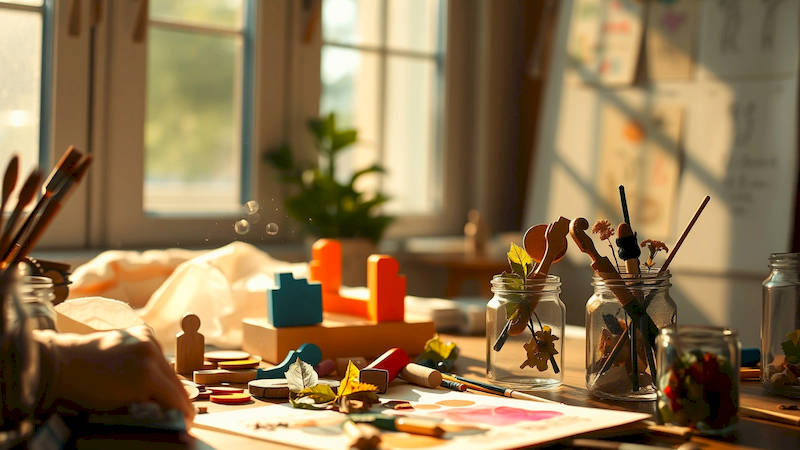
The demands on today’s school-aged children are significant. Academic pressures, extracurricular commitments, and the constant stimulation of digital media can lead to stress, anxiety, and difficulty focusing. While we often prioritize cognitive development, nurturing emotional well-being is equally crucial for a child’s overall health and success. Increasingly, parents and educators are turning to mindfulness – the practice of paying attention to the present moment without judgment – as a tool to cultivate emotional regulation and resilience in children. Integrating mindfulness with creative art activities offers a powerful synergy, allowing children to express themselves, explore their emotions, and develop a deeper sense of self-awareness in a safe and engaging way. This article will explore the benefits of this integration and provide practical strategies for incorporating mindfulness into art experiences for school-aged kids.
Art, in its various forms, has always been a natural outlet for emotional expression. However, often the focus is on the product – the finished artwork – rather than the process of creation. When mindfulness is added to the equation, the emphasis shifts. It's no longer about creating a “good” piece of art; it’s about being fully present with the materials, the sensations, and the emotions that arise during the artistic process. This mindful approach to art can be profoundly beneficial for children struggling with stress, anxiety, or perfectionism, fostering a sense of calm, focus, and self-compassion. It allows them to move beyond self-critique and simply be with their creativity.
- Understanding Mindfulness and its Benefits for Children
- Setting the Stage: Creating a Mindful Art Environment
- Mindful Art Activities: A Toolkit for School-Aged Children
- Guiding Mindful Reflection: Processing the Art Experience
- Adapting Mindfulness and Art for Different Age Groups and Needs
- Extending Mindfulness Beyond the Art Session
- Conclusion: Nurturing Well-Being Through Creative Presence
Understanding Mindfulness and its Benefits for Children
Mindfulness, rooted in ancient Buddhist traditions, isn’t about emptying the mind, but about gently directing attention to the present moment and observing thoughts and feelings without getting carried away by them. For children, this translates to noticing the sensations of their breath, the feeling of the art materials in their hands, the colors they are using, and any emotions that arise. Research shows that mindfulness practices can have a positive impact on children’s cognitive, emotional and social well-being. Studies conducted by the Mindful Schools program, for instance, have demonstrated improvements in attention, emotional regulation and pro-social behavior in children who participate in mindfulness training.
The benefits extend beyond emotional regulation. Mindfulness enhances a child’s capacity for focus and concentration - skills vital for academic success. By regularly practicing present moment awareness, children learn to anchor themselves in the “now,” reducing the tendency to get lost in worries about the future or regrets about the past. This focused attention can then be transferred to other areas of their lives, like schoolwork, sports, or social interactions. Moreover, mindful art activities can boost self-esteem and self-compassion. When the emphasis isn’t on the “quality” of the artwork but on the experience of creation, children are less likely to criticize themselves, fostering a healthier relationship with their creativity and a more positive self-image.
Setting the Stage: Creating a Mindful Art Environment
Before diving into specific art activities, it’s important to create an environment conducive to mindfulness. This means minimizing distractions – turning off screens, ensuring a quiet space, and providing comfortable seating. The atmosphere should be calm and inviting, free from judgment or pressure. Consider using soft lighting, gentle music (instrumental is best), or natural elements like plants and flowers to create a sense of tranquility. The way you, as the facilitator, approach the activity is key as well. Your own calm and centered presence will model mindfulness for the children.
Preparation also involves gathering materials thoughtfully. Offer a variety of art supplies – paints, crayons, clay, collage materials, natural found objects – and arrange them in an organized and accessible way. Encourage children to explore the textures, colors, and shapes of the materials before they begin to create. A simple grounding exercise before starting can be helpful. This could involve taking a few deep breaths together, noticing the feeling of their feet on the floor, or silently observing their surroundings. It's crucial to emphasize that there’s no right or wrong way to create mindful art; the goal is to simply be present and enjoy the process.
Mindful Art Activities: A Toolkit for School-Aged Children
There is a wealth of art activities that can be easily adapted to incorporate mindfulness. One simple practice is mindful coloring. Instead of quickly filling in a coloring page, encourage children to pay attention to the sensation of the crayon on the paper, the colors they are choosing, and the shapes they are coloring. Invite them to notice any thoughts or feelings that arise without judgment. Another valuable exercise is slow painting. Provide children with watercolors or acrylics and encourage them to paint slowly and deliberately, observing the way the colors blend and flow.
Texture Collages are excellent for focused attention engaging the sense of touch. Provide a variety of textured materials (fabric scraps, sandpaper, leaves, feathers) and have children create a collage, focusing on the different textures and sensations. Clay sculpting offers similar benefits – the tactile experience of molding and shaping the clay can be incredibly grounding and calming. Avoid specific instructions – instead, encourage children to simply explore the clay and let their creativity unfold naturally. For older children, zentangle-inspired drawing, involving repetitive patterns, can be particularly effective in promoting focus and relaxation. Encourage them to consciously choose colours and to notice the feel of the pen on paper.
Guiding Mindful Reflection: Processing the Art Experience
The creation of mindful art is only half of the process. It's equally important to provide opportunities for mindful reflection – helping children process their experience and connect with their emotions. This doesn't involve asking them to explain what their artwork represents, but rather, to notice how it felt to create it. Start by inviting children to take a few deep breaths and bring their attention back to their artwork.
Then, ask open-ended questions such as: "What did you notice as you were creating this?" "What sensations did you experience?" "Were there any moments where you felt particularly calm or focused?" "What colors or shapes drew your attention?" Avoid leading questions or interpretations. The goal is to help children cultivate their own internal awareness, not to impose your own meaning onto their artwork. Encourage them to simply observe their thoughts and feelings without judgment. It can be beneficial to write down any thoughts and feelings that emerge during this stage.
Adapting Mindfulness and Art for Different Age Groups and Needs
The way you approach mindfulness and art will need to be adjusted based on the age and developmental level of the children. Younger school-aged children (ages 6-8) may benefit from shorter, more structured activities with clear instructions. Focus on simple sensory explorations and encourage them to express their emotions through color and shape. For older children (ages 9-12), you can introduce more complex techniques and encourage greater independence and self-expression.
It’s also essential to be sensitive to the individual needs of each child. Some children may be hesitant to engage in mindfulness at first. Allow them to participate at their own pace and offer modifications as needed. For children with anxiety, start with very simple, grounding exercises before introducing art activities. For children with attention difficulties, break down activities into smaller steps and provide frequent opportunities for movement and breaks. According to Dr. Patricia Genovese, author of “Mindful Games,” “The key is to create a safe and supportive environment where children feel comfortable exploring their emotions and expressing themselves creatively.”
Extending Mindfulness Beyond the Art Session
The benefits of mindful art activities are maximized when mindfulness is integrated into other aspects of a child’s life. Encourage children to practice mindfulness throughout their day – during mealtimes, while walking to school, or before bedtime. Simple exercises like deep breathing or body scans can be done anywhere, anytime. Promote mindful observation of everyday experiences – paying attention to the sounds of nature, the taste of food, or the sensations of their body.
Furthermore, consider incorporating mindful art activities into the classroom setting. Teachers can use these activities as a way to create a calmer and more focused learning environment and to help students manage stress and anxiety. Ultimately, the goal is to empower children with the tools they need to cultivate inner peace, resilience, and a deeper connection to themselves and the world around them.
Conclusion: Nurturing Well-Being Through Creative Presence
Incorporating mindfulness into art activities offers a powerful and accessible pathway to nurturing the emotional well-being of school-aged children. By shifting the focus from product to process, we can create opportunities for children to engage with their creativity in a playful, non-judgmental, and deeply meaningful way. The benefits extend far beyond the art room, fostering improved attention, emotional regulation, and self-compassion – skills vital for success in all areas of life.
Key takeaways include the importance of creating a mindful art environment, selecting appropriate activities based on age and needs, and providing opportunities for mindful reflection. The next step is to experiment with these strategies in your own home or classroom and observe the positive impact on the children in your care. Remember, mindfulness is a practice, and like any skill, it takes time and patience to develop. By embracing this practice, we can equip children with the tools they need to navigate the challenges of childhood with grace, resilience, and a sense of inner peace.
Deja una respuesta