
How to Foster Emotional Regulation Skills in Preschoolers
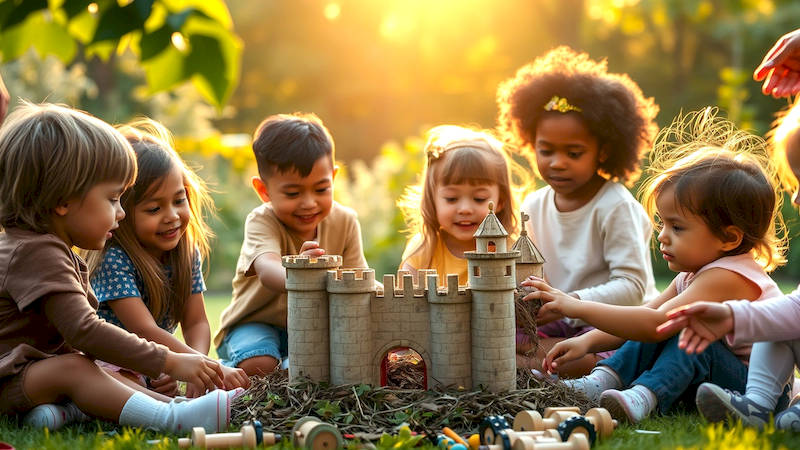
Preschool years are a period of incredible growth - cognitively, physically, and crucially, emotionally. While tantrums and big feelings are often associated with this age, they aren't signs of “bad” behaviour. Instead, they’re demonstrations of a young child’s burgeoning emotional landscape and their still-developing ability to navigate it. Emotional regulation – the ability to manage and respond to emotional experiences in healthy ways – is a fundamental life skill, laying the groundwork for social competence, academic success, and overall well-being. Without these skills, children may struggle with forming relationships, coping with stress, and making responsible decisions.
This article will delve into the world of emotional regulation in preschoolers, offering a comprehensive guide for parents. We’ll move beyond simply reacting to challenging behaviours and explore proactive strategies to nurture emotional intelligence and help your child develop the tools to understand, express, and manage their feelings. Recognizing that every child develops at their own pace, we aim to provide a toolkit adaptable to individual needs and temperaments, fostering a supportive and understanding environment for your little one.
- Understanding the Preschool Brain and Emotional Development
- Creating a Safe and Supportive Emotional Environment
- Teaching Emotion Identification and Labelling
- Practical Strategies for Co-Regulation and Calm-Downs
- Modelling Healthy Emotional Expression
- Addressing Potential Challenges and Seeking Support
- Conclusion: Nurturing Emotional Intelligence for a Brighter Future
Understanding the Preschool Brain and Emotional Development
The preschool brain is vastly different from that of an adult. The prefrontal cortex, responsible for executive functions like impulse control and emotional regulation, is still under construction. This means preschoolers often experience emotions intensely and lack the cognitive capacity to rationally process them. This isn’t a lack of willingness to control their feelings; it’s a neurological limitation. Dr. Dan Siegel, a prominent child development expert, describes this as the "upstairs brain" (the prefrontal cortex) being less connected to the "downstairs brain" (the brainstem and limbic system, which deal with basic survival and emotional reactions).
Therefore, expecting a preschooler to “just calm down” is often unrealistic and can be counterproductive. Instead, focus on helping them become calm. This involves co-regulation – where you, as a parent, help regulate your child’s emotions through your own calm presence and supportive responses. This stage also involves understanding that emotional outbursts are often a communication of unmet needs – whether it's tiredness, hunger, frustration, or simply a desire for connection. Recognizing these underlying drivers is key to moving from punishment to understanding.
Furthermore, emotional development isn't linear. Children will have good days and challenging days. Regression in skills is normal, especially during periods of stress or transition. Be patient and consistently reinforce the strategies discussed, remembering that consistent modelling of healthy emotional expression on your part is arguably the single most powerful tool.
Creating a Safe and Supportive Emotional Environment
A secure and predictable environment is the foundation for emotional regulation. Children thrive when they know what to expect and feel safe expressing their feelings without fear of judgement or punishment. This means establishing consistent routines, clear expectations, and a calm home atmosphere. Avoid power struggles and offer choices whenever possible, granting your child a sense of control. For example, instead of saying “You must wear your coat,” try “Would you like to wear the blue coat or the red coat?” Offering options empowers them and reduces resistance.
Moreover, label emotions – both your own and your child's – frequently. "I'm feeling frustrated right now because I spilled my coffee," or "You seem really angry that your tower fell down." This helps them build an emotional vocabulary and understand that all feelings are valid. Normalize expressing a wide range of emotions. Avoid statements like "Don't be sad" and instead say, “It’s okay to feel sad when you miss Grandma.” Creating a space where both positive and negative emotions are acknowledged and accepted is vital.
Remember that consistency is critical. A child's ability to trust their environment and the adults within it hinges on predictability. Sudden shifts in rules or emotional responses from caregivers can create anxiety and hinder emotional development. This consistency isn’t about rigidity, but about providing a stable base from which the child can explore and learn.
Teaching Emotion Identification and Labelling
Before a child can regulate an emotion, they need to be able to identify it. This begins with helping them build an emotional vocabulary. Use picture books, games, and everyday situations to talk about feelings. "Look at the little bear’s face. He looks sad. Why do you think he’s sad?" Expanding beyond basic emotions like "happy," "sad," and "angry" to include more nuanced feelings like "frustrated," "disappointed," "jealous," and "anxious" gives them the tools to understand the complexity of their inner world.
Utilize emotion charts with faces depicting different feelings. Create a "feelings check-in" routine at bedtime, where you and your child each share how you felt during the day. This modelling demonstrates vulnerability and encourages open communication. Another helpful technique is to connect feelings to physical sensations. “When you're angry, do you feel your face get hot? Do you clench your fists?” This helps them become more attuned to their bodily cues, providing an early warning system for escalating emotions.
Avoid dismissing or minimizing their feelings, even if they seem irrational to you. Saying “Oh, you’re overreacting” invalidates their experience and teaches them that their emotions aren’t important. Instead, acknowledge their feelings and validate their perspective, even if you don't agree with their reaction. "I understand you're upset that you can't have another cookie. It’s disappointing when you want something and can’t have it."
Practical Strategies for Co-Regulation and Calm-Downs
Co-regulation is the cornerstone of helping a preschooler manage their emotions. When your child is overwhelmed, your calm presence can act as an external regulator. This might involve sitting with them, offering a hug, speaking in a soothing voice, or simply providing a quiet space to breathe. Actively listen to their frustration without interrupting or offering solutions immediately. It's often enough to just be present and acknowledge their upset.
Introduce “calm-down” strategies before your child is in the midst of an emotional crisis. These could include deep breathing exercises (like “belly breaths” – imagining filling their belly like a balloon with air), counting to ten, listening to calming music, or squeezing a stress ball. Practice these strategies when they are calm so they can access them when they are upset. Create a "calm-down corner" – a designated safe space with comforting items like books, soft toys, and a cozy blanket.
It’s crucial to remember that a timeout is not the same as a punishment. It should be presented as a space for the child to regain control, not as a consequence for misbehaviour. Acknowledge their feelings before suggesting a timeout: “You’re really angry right now. It’s okay to take some time in the calm-down corner to calm your body.” Avoid lecturing during the timeout; simply provide a quiet space for them to regulate.
Modelling Healthy Emotional Expression
Children learn by observing the adults in their lives. Therefore, modelling healthy emotional expression is paramount. This doesn't mean hiding your emotions; it means demonstrating how to manage them in constructive ways. If you’re feeling frustrated, say, “I'm feeling frustrated right now, so I'm going to take a few deep breaths to calm down.” This shows your child that experiencing emotions is normal and that there are healthy ways to cope with them.
Be mindful of your own reactions to your child’s outbursts. If you respond with anger or impatience, you’re modelling those behaviours for them. Practice self-compassion and remember that it’s okay to feel frustrated too. Take a moment to regulate your own emotions before responding to your child. Furthermore, apologize to your child when you make a mistake. This shows them vulnerability and teaches them that it’s okay to admit when you’re wrong. “I’m sorry I yelled earlier. I was feeling stressed, but that wasn’t the right way to respond.”
Finally, actively discuss your own feelings with your partner or other trusted adults – within earshot of your child, whenever appropriate. This demonstrates that emotional intelligence is a valuable life skill and that seeking support is a sign of strength.
Addressing Potential Challenges and Seeking Support
While these strategies are effective for many children, some may require additional support. If your child's emotional dysregulation is severe, persistent, or interferes with their daily functioning, consider seeking professional guidance from a pediatrician, child psychologist, or therapist. Signs to watch for include frequent and intense tantrums, difficulty separating from caregivers, significant anxiety or fearfulness, and difficulty with social interactions.
Furthermore, remember that underlying factors like trauma, sensory processing issues, or developmental delays can impact emotional regulation. A thorough assessment can help identify any underlying issues and tailor interventions accordingly. Don’t hesitate to advocate for your child’s needs and connect with resources in your community, such as parenting groups or early intervention programs.
Finally, remember that you are not alone. Parenting is challenging, and supporting a child's emotional development requires patience, consistency, and self-compassion. Don’t be afraid to ask for help and prioritize your own well-being.
Conclusion: Nurturing Emotional Intelligence for a Brighter Future
Fostering emotional regulation in preschoolers is not about eliminating difficult feelings. It’s about equipping them with the skills to navigate those feelings, understand their impact, and respond in healthy ways. By creating a safe and supportive environment, teaching emotional literacy, and modelling healthy coping mechanisms, you are laying the foundation for a lifetime of emotional intelligence and well-being.
The key takeaways are: prioritize co-regulation over control, validate all feelings, and consistently model healthy emotional expression. Remember that patience and understanding are crucial, as emotional development is a process, not a destination. Start small, implement these strategies gradually, and celebrate every step of progress. By investing in your child's emotional development, you’re not just helping them manage their feelings today – you’re empowering them to thrive tomorrow. Take the first step today by creating a dedicated "feelings check-in" time with your child, and begin the journey of building a stronger, more emotionally resilient relationship.
Deja una respuesta