Creating a Multicultural Language-Friendly Environment at Home
Raising children in today’s interconnected world demands more than just academic proficiency; it requires fostering global awareness, empathy, and linguistic agility. Creating a multicultural, language-friendly environment at home isn't just about teaching a second language - it’s about shaping children into well-rounded individuals prepared to navigate a diverse and complex world. This approach offers cognitive benefits, strengthens cultural identity, and equips children with advantages in future personal and professional pursuits. Ignoring this need can limit a child’s perspective and opportunities in an increasingly globalized society.
The beauty of a multicultural home environment lies in its ability to weave together different traditions, perspectives, and languages, enriching a child’s understanding of the world beyond their immediate surroundings. This is particularly vital in a world grappling with issues of intercultural understanding and acceptance. Such environments necessitate intentionality and consistent effort, but the rewards – a culturally competent, language-fluent, and empathetic child – are immeasurable. This article will delve into actionable strategies for creating such an environment, exploring practical techniques and addressing potential challenges.
Laying the Foundation: Establishing a Language Plan
Before diving into daily practices, crafting a ‘language plan’ provides crucial structure. The plan doesn’t need to be rigid, but should outline your goals for language exposure and usage, taking into account your family’s linguistic resources. Consider the "One Parent, One Language" (OPOL) method, where each parent consistently speaks a different language to the child. Alternatively, a "Minority Language at Home" approach dedicates specific times or activities solely to the target language. A key element is establishing consistency – sticking to the chosen method as much as possible to avoid confusion and reinforce learning.
The success of any language plan relies heavily on realistic expectations. Understand that initial progress may be gradual, and plateaus are normal. Don't be discouraged if your child initially responds primarily in the dominant language. Focus on creating positive associations with the target language through engaging activities and avoid pressuring them to speak before they’re ready. For instance, if you’re using OPOL, and your child responds in English to your Spanish, simply rephrase your question in Spanish, modeling correct usage without correction or scolding. Regularly revisit and adjust the plan based on your child's progress and your family’s needs.
Finally, think about incorporating external resources to enhance the plan. Language classes, playdates with native speakers, or subscriptions to age-appropriate language learning apps can supplement efforts at home. A blend of formal and informal learning, combined with consistent daily exposure, provides a well-rounded foundation for language acquisition. Remember, the goal isn’t just fluency, but a genuine appreciation for the language and the culture it represents.
Immersive Experiences: Beyond Formal Lessons
While structured language learning is valuable, true language acquisition flourishes in immersive environments. This means incorporating the target language into everyday routines and activities – moving beyond textbooks and workbooks. This can include labelling objects around the house in the target language, cooking recipes from the culture, or listening to music and watching films in that language. Think about expanding beyond auditory exposure; incorporate visual aids like flashcards, picture books, and interactive online games to stimulate multiple senses and reinforce learning.
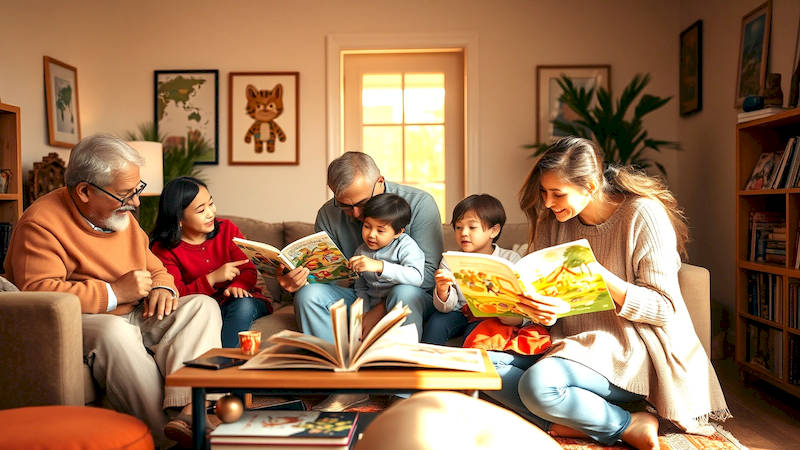
Take the simple act of bedtime storytelling, for example. Instead of reading in the dominant language, choose storybooks in the target language. Even if your child doesn't understand every word, the context and illustrations will aid comprehension, and they’ll begin to associate the language with comfort and positive feelings. Extend this immersion into other rituals – sing songs, play games, and even have simple conversations in the target language during mealtimes or on car rides.
Consider creating thematic weeks centered around a particular country or culture associated with the target language. This could involve cooking traditional dishes, learning about local customs, and watching documentaries about the region. These experiences not only enhance language learning but also foster cultural understanding and appreciation, creating a more holistic and enriching environment.
Cultivating Cultural Respect: Celebrating Diversity
A truly multicultural environment goes beyond language; it actively celebrates diversity in all its forms. This means exposing your child to different cultures through books, art, music, food, and personal interactions. Avoid stereotypes and present a nuanced understanding of each culture, highlighting its unique contributions and complexities. Discuss cultural differences openly and honestly, encouraging your child to ask questions and share their own perspectives.
Actively seek out opportunities to engage with people from different backgrounds. This could involve attending cultural festivals, visiting museums with exhibits on different cultures, or connecting with families from diverse backgrounds through playgroups or community events. Encourage your child to interact with individuals from different cultures, fostering empathy and breaking down preconceived notions. Furthermore, correct any biases or stereotypes your child may encounter in media or from external sources, explaining that generalizations are harmful and individuals should be judged based on their own merits.
Remember, celebrating diversity also means acknowledging your own cultural heritage. Share your family's traditions, stories, and values with your child, fostering a strong sense of cultural identity. This grounding in their own background will enable them to appreciate and respect the cultures of others more fully.
The Power of Play: Leveraging Natural Learning
Children learn best through play, so incorporate the target language and cultural elements into their playtime activities. This could involve playing games that require using the target language, pretending to be characters from different cultures, or building structures inspired by different architectural styles. Utilize toys and materials that reflect the target culture – traditional clothing, musical instruments, or art supplies.
Role-playing is a particularly effective way to immerse children in the target language and culture. Encourage them to create scenarios that simulate real-life situations – ordering food at a restaurant, shopping at a market, or greeting friends and family. They can use props and costumes to enhance the experience and make it more engaging. This allows them to practice conversational skills in a fun and relaxed setting, building confidence and fluency.
Don't underestimate the power of simple toys like building blocks or dolls. Use them as prompts for conversations in the target language, describing what you're building or what the dolls are doing. These small, everyday interactions contribute significantly to language acquisition and cultural understanding.
Overcoming Challenges: Addressing Potential Obstacles
Creating a multicultural, language-friendly environment isn't without its challenges. One common obstacle is societal pressure to prioritize the dominant language and the perception that learning another language will hinder academic performance. However, research consistently demonstrates the opposite – bilingual and multilingual children often exhibit enhanced cognitive abilities, including improved problem-solving skills, creativity, and critical thinking.
Another challenge is maintaining consistency when both parents aren't fluent in the target language. In these situations, it's crucial to leverage external resources – language classes, tutors, or native-speaking caregivers. Alternatively, the non-fluent parent can learn alongside the child, creating a shared learning experience. It’s also important to address potential resistance from the child, particularly as they get older and may feel self-conscious about speaking in a different language. Patience, encouragement, and a focus on the benefits of bilingualism are key.
Finally, address any feelings of isolation or cultural disconnect that may arise. Actively seek out communities of families with similar backgrounds or interests, providing your child with opportunities to connect with peers who share their heritage and experiences.
Maintaining Momentum: Long-Term Sustainability
Sustaining a multicultural language-friendly environment requires ongoing commitment and adaptability. As your child grows, their interests and needs will evolve, requiring you to adjust your approach accordingly. Continue to seek out new resources, explore different learning activities, and create opportunities for cultural immersion. Don't view it as a fixed project but as an ongoing journey of discovery.
Regularly assess your progress and identify areas for improvement. Ask your child for feedback on their learning experience and adjust your strategies based on their responses. Connect with other parents who are raising bilingual and multicultural children, sharing ideas and supporting each other. Remember, consistency is key, but flexibility is essential.
Prioritize making it fun! If learning feels like a chore, your child will likely lose interest. By embracing a playful and engaging approach, you can foster a lifelong love of language and culture. Regularly revisit your initial language plan and adapt, making it a living document reflecting your family's journey.
In conclusion, creating a multicultural, language-friendly environment at home is an invaluable investment in your child's future. It’s a commitment to fostering global citizenship, promoting cognitive development, and strengthening cultural identity. By establishing a clear language plan, immersing your child in authentic experiences, celebrating diversity, leveraging the power of play, and addressing potential challenges, you can lay a solid foundation for their success in an increasingly interconnected world. The benefits extend far beyond language acquisition – they equip your child with the empathy, understanding, and adaptability needed to thrive in the 21st century and become a truly global citizen. Remember, the journey is ongoing, but the rewards are immeasurable.
Deja una respuesta