Activities to Support Heritage Language Maintenance in Preschoolers
The world is becoming increasingly interconnected, yet globalization doesn’t necessarily equate to linguistic diversity. For families with roots in more than one culture, preserving the heritage language – the language spoken at home and passed down through generations – presents both a profound opportunity and a significant challenge. Early childhood, particularly the preschool years (ages 3-5), represents a crucial period for language acquisition. During these formative years, young brains are incredibly receptive to new sounds and grammatical structures, making it an ideal time to foster bilingualism or multilingualism. However, without intentional effort, the dominant language of the community (e.g., English in many North American or European settings) can easily overshadow the heritage language.
Maintaining a heritage language isn’t simply about linguistic competence; it’s inextricably linked to cultural identity, family bonds, and cognitive development. Children proficient in multiple languages demonstrate enhanced problem-solving skills, greater cognitive flexibility, and increased empathy. According to a study by the American Speech-Language-Hearing Association, bilingualism can even delay the onset of dementia. The task isn't about achieving native-like fluency, but rather cultivating a comfortable connection to their heritage, allowing children to communicate with relatives, appreciate cultural nuances, and benefit from the cognitive advantages of bilingualism. This article will explore practical, engaging activities to support heritage language maintenance in preschoolers, focusing on maximizing exposure and creating a positive, nurturing linguistic environment.
- Creating a Language-Rich Home Environment
- Play-Based Learning: The Cornerstone of Preschool Language Acquisition
- Leveraging Storytime & Traditional Tales
- Incorporating Music, Rhymes & Cultural Celebrations
- Utilizing Technology & Digital Resources
- Conclusion: A Long-Term Investment in Identity & Future Success
Creating a Language-Rich Home Environment
The foundation for heritage language maintenance lies in consistently creating opportunities for exposure. This isn't about structured lessons, especially for preschoolers, but about weaving the language into the fabric of daily life. The “one parent, one language” (OPOL) method is a common approach, where each parent consistently speaks a different language to the child. This works exceptionally well when parents are fluent and committed, but variations are possible based on family dynamics. Even if a parent isn't fully fluent, consistently using what they know and attempting to learn alongside the child creates a powerful message about the language’s value.
However, relying solely on parental input isn't always sufficient. Expanding the language environment beyond immediate family members is crucial. This can include regular calls with grandparents in their native language, subscribing to children’s shows or music in the heritage language, and incorporating books, games, and other media. The emphasis here should be on making the language a natural and enjoyable part of the child’s world, rather than a chore or obligation. Think of it as creating a linguistic ecosystem where the heritage language thrives. Consistent, even small, doses of exposure are far more effective than infrequent, intensive attempts.
Finally, be mindful of code-switching – naturally alternating between languages in conversation. While code-switching is a normal linguistic phenomenon, especially in bilingual communities, excessive code-switching can hinder fluency development. Gently model full sentences in the heritage language, and encourage the child to respond in kind, without correcting them harshly. Remember, the goal isn't perfection, but communication and connection.
Play-Based Learning: The Cornerstone of Preschool Language Acquisition
Preschoolers learn best through play, and this principle applies equally to heritage language maintenance. Transform everyday play activities into opportunities for language exposure and practice. For instance, during playtime with building blocks, narrate the child’s actions in the heritage language: “You’re building a tall tower! A red block on top, very carefully.” Use descriptive language and ask simple questions: “What color is this block?” This approach subtly reinforces vocabulary and grammatical structures. Playdate opportunities where the child can interact with other children who speak the heritage language – even if it is only partially – are invaluable.
Imaginary play presents another fantastic avenue. Setting up a pretend store, restaurant, or doctor’s office allows for role-playing and practicing functional language. Encourage the child to take on different roles and use associated vocabulary. Provide props and visual cues to support comprehension. A simple puppet show in the heritage language can also capture a child’s attention and facilitate language learning. The key is to make it fun, engaging, and relevant to the child’s interests. Avoid drilling or testing; focus on creating a playful context where the language feels natural and inviting.
Consider sensory play too! Activities like playing with play dough, sand, or water can be described in the heritage language, introducing vocabulary related to textures, colors, and actions. Singing songs and reciting rhymes in the heritage language during playtime is another impactful strategy. The rhythmic nature of songs aids memorization and pronunciation.
Leveraging Storytime & Traditional Tales
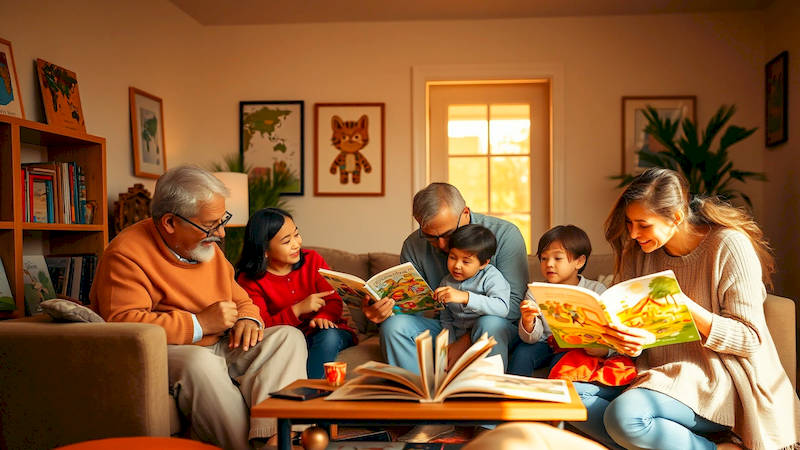
Storytime is a powerful tool for language development, and using books in the heritage language is a cornerstone of maintenance efforts. Start with simple board books with vibrant illustrations and gradually introduce more complex stories as the child’s language skills grow. Don't be afraid to read the same books repeatedly; repetition reinforces vocabulary and builds confidence. Actively engage with the story, asking questions in the heritage language: “What do you think will happen next?” or “How do you think the character is feeling?”
Beyond commercial books, explore traditional tales, folktales, and myths from the child’s heritage culture. These stories often contain rich cultural insights and moral lessons, fostering a deeper connection to their roots. Oral storytelling is also a valuable practice. Grandparents or other fluent family members can share stories from their childhoods, enriching the child’s linguistic and cultural understanding. Recording these stories can create a lasting keepsake and provide opportunities for repeated listening.
When reading, even if you're not fully fluent, don’t hesitate to use a dictionary or online translator to help you. Modeling your own learning process demonstrates the value of language acquisition. Actively point to pictures and label objects in the heritage language, solidifying vocabulary associations. Encourage the child to act out scenes from the story, further enhancing engagement and language retention.
Incorporating Music, Rhymes & Cultural Celebrations
Music and rhymes are inherently memorable and engaging, making them ideal for language learning. Expose your child to songs, nursery rhymes, and traditional folk music in the heritage language. Sing along with them, even if your pronunciation isn’t perfect. The joy of singing outweighs the need for flawless accuracy. Create a playlist of heritage language music to play during car rides, mealtimes, or playtime.
Traditional celebrations and cultural events provide natural opportunities to immerse your child in the language and culture. Decorate the house, cook traditional foods, and participate in cultural activities. Explain the significance of the holiday or event in the heritage language, even in simplified terms. Encourage the child to learn traditional songs or dances. These experiences create cherished memories and strengthen their connection to their heritage.
Consider learning a call-and-response song or game in the heritage language that can be repeated during daily routines. This creates a playful interaction and encourages participation. Focus on the rhythm and melody, making it fun and enjoyable for the child. For example, a simple rhyme about getting dressed or brushing teeth can reinforce daily routines while practicing vocabulary.
Utilizing Technology & Digital Resources
Technology offers a wealth of resources for heritage language maintenance. Numerous apps, websites, and YouTube channels provide interactive language lessons, songs, and stories in various languages. Look for resources specifically designed for young children, with engaging graphics and age-appropriate content. Interactive games and educational videos can make learning fun and motivating.
Streaming services offer a vast selection of movies and television shows in different languages. Choose age-appropriate programs and watch them with your child, pausing to explain unfamiliar words or phrases. Language learning apps like Duolingo or Babbel (while often geared towards adult learners) can sometimes be adapted for preschool use with parental guidance.
Social media can connect you with other families who share your heritage language, creating opportunities for virtual playdates and language exchange. Online communities and forums offer support and resources. However, be mindful of screen time and ensure that technology is used as a supplement to, rather than a replacement for, real-life interactions.
Conclusion: A Long-Term Investment in Identity & Future Success
Maintaining a heritage language is a journey, not a destination. It requires ongoing effort, dedication, and creativity. However, the rewards – a strengthened cultural identity, enriched family connections, and enhanced cognitive abilities – are immeasurable. The key is to create a positive and nurturing linguistic environment where the heritage language thrives, not through pressure or obligation, but through fun, engaging activities.
Remember that consistency is paramount. Even small, daily doses of exposure are more effective than infrequent, intensive attempts. Embrace technology, leverage community resources, and celebrate your cultural heritage. Don’t be discouraged by setbacks; language acquisition is a process with ups and downs. Finally, and most importantly, model enthusiasm for the heritage language yourself. Your own passion and commitment will be contagious, inspiring your child to embrace their linguistic and cultural heritage with pride. By proactively nurturing your child’s connection to their roots, you’re not just preserving a language; you’re investing in their identity, their future, and the richness of our increasingly interconnected world.
Deja una respuesta