
Outdoor sensory activities that promote development in kids
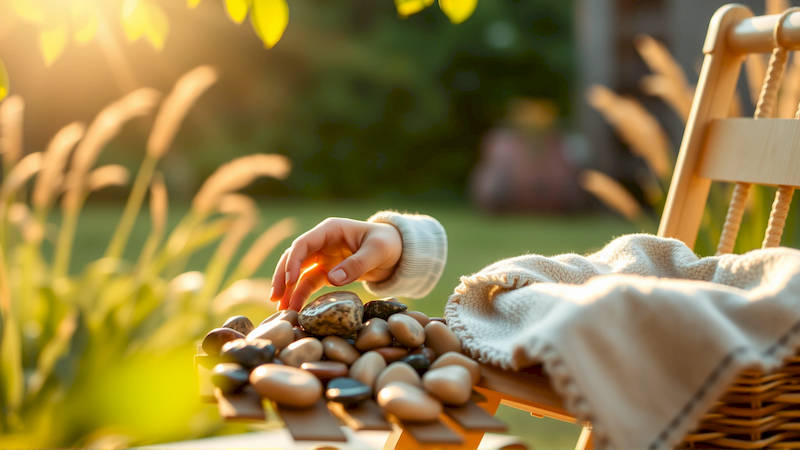
The world is a sensory wonderland for children, and outdoor environments offer a uniquely rich and complex landscape for exploration. As parents, we often focus on academic skills and social-emotional learning, but the foundation for both rests upon a well-developed sensory system. Sensory processing – how the brain receives, interprets, and responds to information from the senses – is crucial for everything from gross motor skills and emotional regulation to language development and attention. When sensory systems are well-integrated, children can navigate their world with confidence and ease. Conversely, difficulties in sensory processing can manifest as challenges in behavior, learning, and daily functioning. This article will delve into the power of outdoor sensory experiences, providing practical ideas and insights to support your child’s development through nature's playground.
We frequently underestimate the profound impact of simply being outdoors on a child’s neurological development. Modern life often keeps children indoors, surrounded by predictable, often overstimulating, environments. This can lead to sensory deprivation in certain areas and overwhelm in others. Outdoor spaces, however, provide a constant influx of varied sensory information – the feel of grass underfoot, the smell of pine needles, the sound of birdsong, the changing light, and the myriad of textures found in natural materials. Encouraging regular outdoor play is not just about fresh air and exercise; it’s about providing vital input for the developing sensory system.
Furthermore, understanding that every child is unique – with varying sensory preferences and sensitivities – is paramount. What one child finds calming, another might find overwhelming. This article will explore a range of activities catering to different sensory needs, empowering you to tailor experiences that support your child's individual development, and to foster a deeper connection with the natural world. We will examine activities that stimulate vestibular, proprioceptive, tactile, auditory, visual and olfactory senses, offering the tools to create a truly enriching outdoor experience.
- The Vestibular System & Movement-Based Outdoor Play
- Proprioception: The Sense of Body Awareness and Heavy Work
- Tactile Exploration: A World of Textures
- Auditory Input: Listening to Nature's Symphony
- Visual Stimulation: The Colors and Patterns of Nature
- Olfactory Exploration: The Scents of the Outdoors
- Conclusion: Nurturing Development Through Nature’s Playground
The Vestibular System & Movement-Based Outdoor Play
The vestibular system, located in the inner ear, is responsible for our sense of balance, spatial orientation, and movement. A well-functioning vestibular system is vital for coordination, posture, and even attention. Outdoors, the possibilities for vestibular stimulation are endless. Activities like swinging, climbing, rolling down a gentle incline, or even simply running and jumping, provide critical input to this system. Interestingly, repeated exposure to varied movement patterns helps build adaptability within the vestibular system, minimizing sensitivities and improving overall coordination.
Consider building a simple swing set in your backyard, or utilizing existing playground equipment. Encourage your child to experiment with different types of movement – swinging higher and lower, twisting, or even using both legs and arms to propel themselves back and forth. Beyond swings, create an obstacle course using natural materials like logs, rocks, and tree stumps. This encourages dynamic movement, requiring constant adjustments to balance and coordination. This isn’t just fun; it's therapeutic, building core strength and proprioceptive awareness alongside vestibular stimulation.
One particularly beneficial activity is “animal walks” - crawling like a bear, waddling like a duck, or hopping like a frog. These movements challenge the vestibular system in unique ways, promoting body awareness and gross motor skill development. A case study published in the Journal of Occupational Therapy in Healthcare demonstrated significant improvements in children with Developmental Coordination Disorder who participated in regular vestibular-focused activities like these, showing increased confidence and competency in physical tasks.
Proprioception: The Sense of Body Awareness and Heavy Work
Proprioception is our sense of body position and effort. It tells us where our body parts are in space without having to look. This sense is crucial for coordinated movement, posture, and a feeling of groundedness. Proprioceptive activities often involve “heavy work” – activities that require muscles to work against resistance. The outdoors provides ample opportunities for this. Pushing a wheelbarrow (filled with soil, leaves, or even a sibling!), carrying rocks or logs, digging in the garden, or helping with yard work are all excellent ways to stimulate the proprioceptive system.
These activities not only build strength, but also provide a calming effect. Heavy work releases endorphins, which have mood-boosting properties. Children who are sensory-seeking often crave proprioceptive input and may engage in behaviors like crashing into things or leaning heavily on surfaces. Providing planned opportunities for heavy work can help meet these needs in a safe and constructive way. Regularly incorporating these activities into your child’s routine can lead to improved attention span and reduced impulsivity.
A fantastic exercise is to create a "sensory path" using natural movement challenges. This could involve stepping over logs, crawling under branches, jumping between rocks, and lifting small weighted sacks (filled with sand or pebbles). This path encourages mindful movement and provides intense proprioceptive feedback, aiding in self-regulation and body awareness.
Tactile Exploration: A World of Textures
Our sense of touch, or the tactile system, is our first system to develop and is vital for learning about the world. Outdoor environments are brimming with diverse tactile experiences. Encourage your child to explore different textures – the smooth coolness of river stones, the rough bark of a tree, the soft fuzz of a dandelion, the prickly texture of pine cones, the damp earth in a garden. Allowing children to get “messy” outdoors is essential for tactile development. This means embracing mud, dirt, sand, and water play.
Sensory bins filled with natural materials like leaves, twigs, stones, and water offer controlled tactile exploration. You can also create “texture hunts,” asking your child to find things that are smooth, rough, bumpy, soft, or hard. It is important to remember that some children are highly sensitive to textures and may initially resist certain experiences. Start slowly, offering limited exposure to new textures and providing positive reinforcement. This is especially important for children who demonstrate tactile defensiveness.
Remember that barefoot exploration is also incredibly beneficial! Walking on grass, sand, or dirt provides a rich source of tactile input to the soles of the feet, improving sensory discrimination and grounding. Just be sure to check the area for potential hazards first.
Auditory Input: Listening to Nature's Symphony
The auditory system is responsible for processing sounds, and the outdoors presents a nuanced soundscape far more complex than the typical indoor environment. Beyond the obvious sounds of birdsong and rustling leaves, there are subtle variations in wind, flowing water, and insect noises. Encourage your child to actively listen to their surroundings. Play "sound scavenger hunts," asking them to identify different sounds. A helpful exercise is to sit quietly with your child and simply describe the sounds you hear together.
Creating natural “instruments” can also be a fun way to explore sound. Gathering stones and tapping them together, blowing across the tops of bottles to create different tones, or shaking dried leaves in a container all provide opportunities for auditory exploration. For children with auditory sensitivities, start with quieter environments and gradually introduce more complex soundscapes. Reducing background noise and offering noise-cancelling headphones can also be helpful.
Professor Rachel Kaplan, a leading environmental psychologist at the University of Michigan, has extensively researched the restorative effects of natural sounds, finding that exposure to sounds like birdsong can lower stress levels and improve cognitive function. This highlights the profound benefits of simply immersing children in nature's symphony.
Visual Stimulation: The Colors and Patterns of Nature
The visual system processes information from our eyes, and the outdoors offers a constantly changing visual feast. From the vibrant colors of flowers to the intricate patterns of leaves, the natural world is full of visual stimulation. Encourage your child to observe details – the veins in a leaf, the shape of a cloud, the way light filters through the trees.
Nature walks focusing on color hunts can be a fun and engaging activity. Ask your child to find things that are different shades of green, red, yellow, or blue. You can also introduce concepts like symmetry and pattern by observing the shapes of flowers or the arrangement of leaves on a branch. Similarly, bubble blowing is a deceptively powerful visual activity, promoting visual tracking and hand-eye coordination.
It's also important to provide opportunities for children to focus on distant objects – looking at the horizon, observing birds flying overhead, or gazing at the stars at night. This exercises the visual system and can improve visual attention. Creating a small fairy garden or building a miniature landscape also stimulates visual creativity and imagination.
Olfactory Exploration: The Scents of the Outdoors
Often overlooked, the sense of smell is powerfully connected to memory and emotion. The outdoors offers a wealth of unique scents – the earthy smell of soil, the fragrant aroma of flowers, the piney scent of trees, the salty smell of the ocean air. Encourage your child to explore these scents, asking them to describe what they smell and how it makes them feel.
Planting a small herb garden offers a wonderful opportunity for olfactory exploration. Allowing your child to crush the leaves of fragrant herbs like mint or lavender releases their scent, providing a stimulating sensory experience. Similarly, collecting flowers and creating a “smell jar” (a container filled with different fragrant flower petals) can be a fun and engaging activity. Remember that strong scents can be overwhelming for some children, so supervise these activities closely and allow children to opt out if needed.
Understanding sensory processing and providing opportunities for outdoor sensory exploration is an investment in your child’s overall development.
Conclusion: Nurturing Development Through Nature’s Playground
The benefits of outdoor sensory play are profound and far-reaching. By intentionally incorporating these activities into your child’s routine, you are not only supporting their sensory development, but also fostering a love of nature and a lifelong appreciation for the world around them. Remember that every child is unique, and it’s crucial to tailor experiences to meet their individual needs and preferences. Start small, observe your child’s responses, and adjust accordingly.
Key takeaways: prioritize varied movement, embrace messy play, encourage active listening, visually stimulate exploration, and accommodate olfactory experiences. Actionable next steps include scheduling regular outdoor time, creating a designated outdoor sensory area, and incorporating natural materials into play. By embracing the power of nature’s playground, you can unlock your child's potential and support their journey toward becoming a confident, capable, and resilient individual. Ultimately, allowing children the freedom to simply be in nature is one of the greatest gifts we can give them.
Deja una respuesta