
Building a Motor Skills Routine: Daily Exercises for Kids Aged 2-5
The early years of a child’s life are a period of remarkable physical development. Between the ages of two and five, children transition from tentative toddlers to energetic, capable little people, rapidly developing the gross and fine motor skills essential for everything from running and jumping to drawing and buttoning clothes. These skills aren’t just about physical prowess; they are fundamentally linked to cognitive development, social-emotional growth, and academic readiness. Nurturing this development through a consistent, engaging routine is one of the most impactful things a caregiver can do.
Often, parents feel pressured to enroll their children in structured classes to facilitate this growth. While these can be beneficial, a dedicated motor skills routine can be seamlessly integrated into daily life, utilizing everyday objects and activities. This isn't about rigorous training, but rather about providing opportunities for movement, exploration, and practice that support natural development. A well-designed routine helps build confidence, problem-solving skills, and a lifelong love of physical activity.
This article will provide a comprehensive guide to building a daily motor skills routine for children aged 2-5, offering practical exercises, ideas for incorporating movement into daily life, and insights into understanding developmental milestones. We will explore both gross and fine motor skills, emphasizing the importance of a balanced approach and adapting activities to suit each child’s individual pace and abilities.
- Understanding Gross Motor Skills & Their Importance
- Focusing on Fine Motor Skills: The Power of Little Hands
- Integrating Movement into Daily Routines: Sneaky Exercises!
- Creating a Dedicated "Movement Time" Block
- Adapting Activities for Different Developmental Stages
- Safety First: Creating a Secure Environment
- Conclusion: Nurturing a Foundation for Lifelong Well-being
Understanding Gross Motor Skills & Their Importance
Gross motor skills involve the large muscles of the body – those in the arms, legs, and core. They encompass fundamental movements like walking, running, jumping, climbing, and throwing. These skills are the foundation for physical independence and participation in a wide range of activities. A child with well-developed gross motor skills will be more confident exploring their environment, engaging in play with peers, and mastering more complex movements like riding a bike or swimming. “Motor skill development isn’t just about what children can do, but how efficiently they can do it,” explains Dr. Angela Duke, a pediatric occupational therapist specializing in motor development. “Efficiency directly impacts a child’s energy levels and ability to focus on other tasks."
Between ages 2-3, children refine their walking skills, begin to run (though often clumsily), and start to climb. They may enjoy pushing and pulling toys. From 4-5 years old, they’ll demonstrate increasingly coordinated movements, including hopping, skipping, and potentially learning to ride a tricycle. It’s crucial to remember that every child develops at their own pace. Comparing a child to their peers can be counterproductive. Instead, focus on providing opportunities for practice and celebrating individual achievements. Addressing any significant delays should involve consultation with a pediatrician or occupational therapist.
To actively support gross motor development, dedicate at least 60 minutes each day to unstructured play that encourages movement. This could include time at a park, playing in the backyard, or simply dancing to music indoors. Incorporate obstacle courses using cushions, pillows, and furniture (ensuring safety, of course!), and encourage activities like throwing and catching a soft ball. Remember to model active behavior yourself – children are more likely to be active if they see their parents enjoying physical activity.
Focusing on Fine Motor Skills: The Power of Little Hands
While gross motor skills relate to large muscle movements, fine motor skills involve the small muscles of the hands and fingers. These skills are essential for tasks like holding a crayon, buttoning clothes, using utensils, and manipulating small objects. Fine motor skills aren’t just about dexterity; they’re intimately connected with cognitive development, as they require precise coordination, hand-eye coordination, and concentration. Furthermore, success with fine motor tasks boosts self-esteem and encourages independence.
The development of fine motor skills typically follows a predictable progression. From 2-3 years old, children begin to grasp crayons with a tripod grip (although it’s often in development and may appear more like a palmar grasp initially), string large beads, and scribble spontaneously. Between 4-5 years, they refine their drawing skills, cut with scissors (with supervision), and learn to copy basic shapes. A study published in the Journal of Occupational Therapy in Healthcare showed a strong correlation between fine motor skills in preschool and later academic performance, particularly in writing.
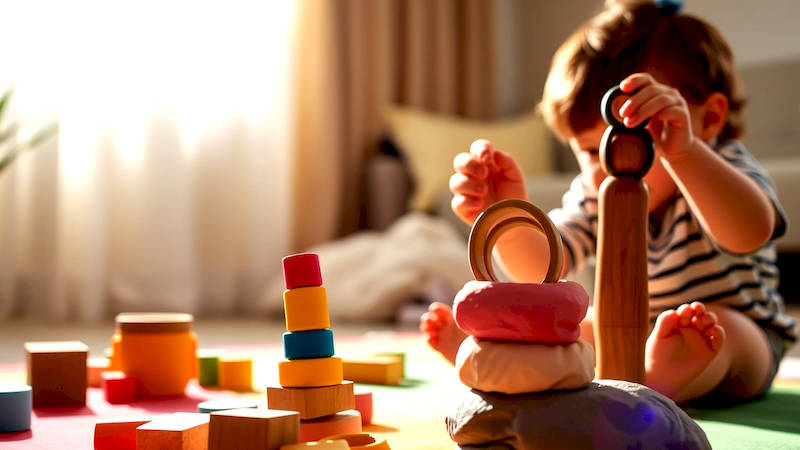
Creating opportunities for fine motor practice doesn’t require expensive toys. Simple activities like playing with playdough, building with blocks, sorting small objects, and completing puzzles can all contribute significantly. Encourage your child to participate in everyday tasks like helping to set the table (placing napkins) or putting away toys, as these provide valuable fine motor practice in a functional context.
Integrating Movement into Daily Routines: Sneaky Exercises!
Building a motor skills routine doesn’t always need to feel like a “workout”. In fact, the most effective approach often involves seamlessly integrating movement and fine motor practice into existing daily routines. Turning everyday tasks into opportunities for development can make it fun and engaging for both you and your child. For example, instead of simply handing your child a snack, ask them to walk across the room to retrieve it, encouraging balance and coordination.
Mealtime offers numerous opportunities. Encourage your child to help with stirring (with supervision), pouring (also with supervision), and using utensils. Even peeling a banana or tearing lettuce can be valuable fine motor practice. Bath time can become a movement exercise with splashing, reaching for toys, and playing with water. During story time, ask your child to act out scenes or movements from the story, like pretending to be a soaring bird or a lumbering bear.
Furthermore, utilize transitions as opportunities for activity. Instead of simply walking from one room to another, encourage hopping, skipping, or crawling. Turn cleaning up into a game: "Let's see who can put away the most toys in one minute!" The key is to be creative and to view everyday moments as chances to nurture your child’s physical development.
Creating a Dedicated "Movement Time" Block
While integrating movement into daily routines is important, dedicating a specific “movement time” block each day can provide focused opportunities for targeted skill development. This block doesn't need to be lengthy – even 20-30 minutes can be highly beneficial. The content of this block can vary based on your child’s interests and developmental stage. This time can involve setting up a simple obstacle course, playing a game of tag, having a dance party, or practicing specific skills like throwing a beanbag or balancing on one foot.
Consider creating a themed movement time each week. For example, one week could focus on animal movements (imitating how different animals move), while another could focus on specific skills like jumping and hopping. To make it more engaging, involve your child in the planning process. Ask them what activities they would like to do and incorporate their suggestions. Remember that variety is key. Rotating activities will keep your child engaged and help them develop a broader range of skills. Regularly assess the child’s comfort levels and adjust the exercises appropriately.
Adapting Activities for Different Developmental Stages
Children develop at different rates, so it’s crucial to adapt activities to suit your child’s individual needs and abilities. What is challenging for one child may be too easy for another, and vice versa. If an activity is too difficult, break it down into smaller, more manageable steps. For example, if your child is struggling to jump, start by having them practice squatting and then gradually add a small jump. If an activity is too easy, increase the challenge by adding an obstacle or varying the conditions.
Pay attention to your child’s cues. If they are becoming frustrated or losing interest, stop the activity and try something else. Don’t push them too hard, as this can lead to discouragement. Focus on creating a positive and supportive environment where they feel comfortable experimenting and making mistakes. Remember that the goal is not perfection, but rather progress.
Consider consulting with a pediatrician or occupational therapist if you have concerns about your child’s motor development. They can provide personalized recommendations and guidance.
Safety First: Creating a Secure Environment
Safety is paramount when encouraging motor skill development. Before starting any activity, take steps to create a secure environment. Remove any potential hazards from the play area, such as sharp objects or unstable furniture. Ensure that the floor is covered with a soft surface, such as a rug or mat, to cushion falls. Supervise your child closely during all activities, especially when they are engaging in more challenging movements.
Teach your child basic safety rules, such as how to fall safely (tucking their chin and rolling) and how to avoid collisions. Emphasize the importance of following instructions and listening to your guidance. Always use age-appropriate equipment and ensure that it is in good condition. Be mindful of the weather conditions if you are playing outdoors and dress your child appropriately.
Conclusion: Nurturing a Foundation for Lifelong Well-being
Building a motor skills routine for your 2-5 year old is an investment in their overall development. By consistently providing opportunities for both gross and fine motor practice, you are laying a foundation for physical independence, cognitive growth, social-emotional competence, and academic success. Remember that it’s not about structured lessons or expensive equipment; it’s about integrating movement and playful exploration into daily life.
The key takeaways are to prioritize at least 60 minutes of active play each day, incorporate movement into everyday routines, dedicate a specific “movement time” block, adapt activities to suit your child's developmental stage, and above all, prioritize safety. Observe your child’s interests, celebrate their efforts, and create a fun and supportive environment where they can thrive. As Dr. Duke aptly stated, fostering robust motor skills isn’t merely about physical prowess—it's about empowering children to confidently navigate and engage with the world around them, setting them on a path towards a healthy and fulfilling life.
Deja una respuesta