
How to Use Positive Reinforcement to Encourage Good Behavior in Toddlers
Toddlerhood—a whirlwind of exploration, burgeoning independence, and, let’s be honest, frequent testing of boundaries. As parents, we often find ourselves navigating a landscape of tantrums, defiance, and the repetitive phrase, "No!" While it’s tempting to react with punishment or scolding, a more effective and emotionally healthy approach lies in harnessing the power of positive reinforcement. This isn’t simply about showering your child with empty praise; it’s a carefully considered strategy that focuses on acknowledging and rewarding desired behaviors, thereby making them more likely to occur again. Understanding and implementing positive reinforcement isn’t just about changing behavior; it’s about building a strong, loving parent-child relationship built on encouragement and trust.
Positive reinforcement is a cornerstone of behavioral psychology, deeply rooted in the work of B.F. Skinner. It moves away from focusing on what your child is doing wrong and instead highlights what they are doing right. This approach isn't about avoiding discipline altogether; it's about prioritizing encouragement before correction. When a toddler receives positive attention for good behavior, it strengthens that behavior and motivates them to repeat it. This proactive approach can drastically reduce the need for reactive discipline, fostering a more peaceful and positive home environment.
This article will delve into the intricacies of positive reinforcement, providing practical strategies, addressing common challenges, and offering insights into how to make this technique a cornerstone of your parenting approach. By understanding the underlying principles and learning how to implement them effectively, you can nurture your toddler's development, build their self-esteem, and cultivate a stronger, more positive connection.
- Understanding the Core Principles of Positive Reinforcement
- Identifying Desired Behaviors for Reinforcement
- Types of Positive Reinforcers and How to Use Them Effectively
- Addressing Challenges and Common Mistakes
- Combining Positive Reinforcement with Other Strategies
- The Long-Term Benefits of Positive Reinforcement
- Conclusion: Building a Foundation of Positive Interaction
Understanding the Core Principles of Positive Reinforcement
Positive reinforcement, at its heart, is about adding something desirable to increase a behavior. This “something” doesn’t always have to be a tangible reward; it can be praise, hugs, attention, extra playtime, or even a simple smile. The key is that it's something your child values. It's important to distinguish this from punishment, which aims to decrease unwanted behavior by adding something undesirable (like a time-out) or removing something desirable (like screen time). While punishment can temporarily stop behavior, it doesn’t teach your child what to do and can damage your relationship.
The effectiveness of positive reinforcement lies in its immediacy and consistency. Reinforcement is most powerful when delivered immediately after the desired behavior occurs. If you wait too long, your child may not connect the reward with their action. Consistency is equally crucial. If you only reinforce a behavior sometimes, your child will be confused and the reinforcement won’t be as impactful. Think of it as teaching—you wouldn’t expect a student to learn if you only explained a concept sporadically. Furthermore, it’s vital to tailor the reinforcement to your child's individual preferences. What motivates one toddler may not motivate another.
According to Dr. Laura Markham, author of Peaceful Parent, Happy Kids, “Catching your child being good and acknowledging that is far more powerful than constantly correcting their misbehavior. It builds their self-esteem and motivates them to want to please you.” This underscores the emotional impact of positive reinforcement, demonstrating that it's not simply a behavior modification technique but a vital component of fostering a secure attachment.
Identifying Desired Behaviors for Reinforcement
Before you can start reinforcing, you need to clearly identify the behaviors you want to encourage. This isn’t about expecting perfection; it’s about focusing on small, achievable steps. Instead of aiming for “perfectly clean room,” start with “putting toys in the bin,” or from “hitting” to “using gentle hands.” Break down larger goals into smaller, more manageable ones. This makes success more attainable and provides more opportunities for reinforcement. Consider what your current parenting challenges are. Is it mealtime battles? Difficulty sharing? Reluctance to get dressed? Pinpointing those specific issues will help you focus your efforts.
It’s also crucial to be proactive, not just reactive. While it's natural to notice and respond to negative behaviors, actively look for opportunities to acknowledge positive ones. This requires a shift in perspective—a conscious effort to notice the good things your child is doing, even the small ones. For instance, if your toddler attempts to put on their shoes independently, even if they don't get it right, praise their effort: “You’re really trying to put your shoes on all by yourself! That’s wonderful!” This reinforces the effort not just the outcome.
Case Study: Sarah, a two-year-old, was constantly throwing toys. Her parents identified “throwing toys” as an undesired behavior and “giving toys to Mommy/Daddy” as the desired alternative. They began specifically praising Sarah whenever she handed them a toy, saying “Thank you for giving me the toy so nicely! That’s so kind!” They also started redirecting her when she began to throw, saying, “Toys are for playing with, not for throwing. Let's give this to Mommy." This focused approach, combined with consistent praise for positive interactions, gradually reduced the toy-throwing incidents.
Types of Positive Reinforcers and How to Use Them Effectively
Positive reinforcers come in various forms, and understanding these can help you tailor your approach to your child's unique preferences. These generally fall into two categories: tangible and intangible. Tangible reinforcers are physical rewards like stickers, small toys, or a special treat. While these can be effective, they should be used sparingly, as over-reliance can diminish their impact and create a sense of entitlement. They are best reserved for particularly challenging behaviors or significant achievements.
Intangible reinforcers, on the other hand, are non-physical rewards. These include praise, hugs, kisses, special time with a parent, reading an extra story, or letting your child choose the next activity. These are generally more sustainable and promote a stronger emotional connection. A simple, enthusiastic “I’m so proud of you for sharing your blocks!” can be incredibly powerful. “Special time” - dedicated, uninterrupted playtime with a parent - is particularly effective. The key is that it's something your child genuinely enjoys and perceives as valuable. To discover what your child responds to best, observe their reactions to different types of praise and rewards.
A crucial concept is the schedule of reinforcement. Initially, you might use continuous reinforcement – rewarding every instance of the desired behavior. However, as the behavior becomes more established, switch to intermittent reinforcement – rewarding it only sometimes. This prevents the child from becoming dependent on receiving a reward every time and makes the behavior more resistant to extinction.
Addressing Challenges and Common Mistakes
While positive reinforcement is generally effective, it’s not always smooth sailing. One common challenge is the “extinction burst”—a temporary increase in the unwanted behavior when reinforcement is initially withdrawn. This happens because your child is testing the boundaries, seeing if the rules have truly changed. It's important to remain consistent during this phase; giving in will only reinforce the testing behavior.
Another mistake parents often make is offering bribes instead of reinforcements. A bribe is offered before the behavior occurs (“If you eat your vegetables, I’ll give you dessert”), while reinforcement is delivered after the behavior (“You ate all your vegetables! That’s fantastic!”). Bribes can create a sense of negotiation and diminish intrinsic motivation.
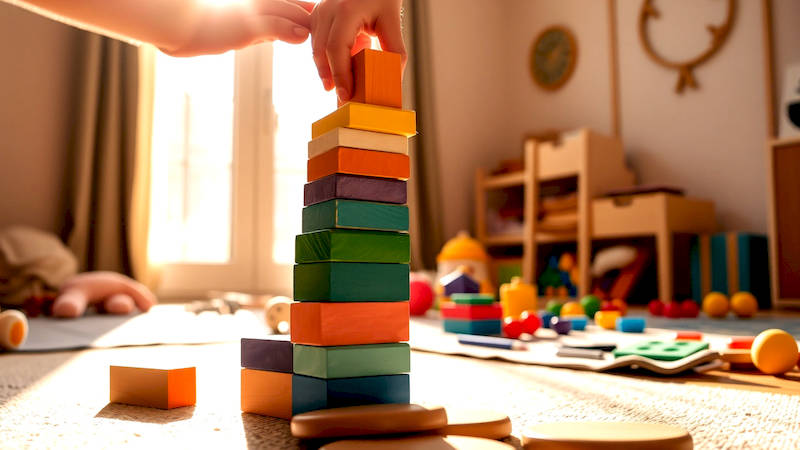
It’s also important to avoid empty praise. Praise should be specific and genuine. Saying “Good job!” is less effective than saying “I noticed how carefully you built your tower, putting the bigger blocks on the bottom. That was very clever!” Specific praise tells your child exactly what they did well and encourages them to repeat that behavior. Finally, remember that positive reinforcement isn’t a quick fix. It takes time, patience, and consistent effort.
Combining Positive Reinforcement with Other Strategies
Positive reinforcement is most effective when used in conjunction with other positive parenting strategies. Clear expectations are essential. Your child needs to understand what behaviors are expected of them before you can reinforce them. This means setting simple, age-appropriate rules and communicating them clearly. Redirection is a powerful tool for managing unwanted behaviors. Instead of simply saying “No,” redirect your child to a more acceptable activity. For example, if they are drawing on the wall, redirect them to paper.
Modeling desired behavior is also crucial. Children learn by observing their parents, so be a role model for the behaviors you want to see in your child. Show empathy, practice patience, and demonstrate kindness in your interactions. Additionally, creating a positive and supportive environment is paramount. A stressed and chaotic home environment can undermine even the most carefully planned reinforcement strategies.
The Long-Term Benefits of Positive Reinforcement
Investing in positive reinforcement isn't just about improving your child's short-term behavior; it's about fostering their long-term development. Children who are consistently praised and encouraged develop higher self-esteem, greater confidence, and a stronger sense of self-worth. They are also more likely to be resilient, adaptable, and emotionally intelligent.
Research consistently demonstrates the benefits of positive parenting techniques. Studies have shown that children raised with positive reinforcement tend to have better academic outcomes, stronger social skills, and fewer behavioral problems. “A child’s emotional development is inextricably linked to the quality of the relationship with their parents,” explains Dr. Daniel Siegel, author of The Whole-Brain Child. "Positive reinforcement strengthens that relationship and provides a secure base for exploration and growth."
Conclusion: Building a Foundation of Positive Interaction
Positive reinforcement is a powerful and effective tool for encouraging good behavior in toddlers. By focusing on acknowledging and rewarding desired actions, rather than solely punishing misbehavior, you can foster a more positive and supportive parent-child relationship. Remember to identify specific behaviors to reinforce, utilize a variety of reinforcers, be consistent, and avoid common pitfalls like bribes and empty praise.
The key takeaways are clear: prioritize praise over punishment, be specific in your affirmations, tailor rewards to your child’s preferences, and remain patient throughout the process. Implementing these strategies won’t magically eliminate all challenging behaviors, but it will lay a solid foundation for fostering a well-adjusted, confident, and emotionally secure child. Start small today – consciously "catch" your toddler being good and offer genuine praise. You may be surprised by the positive impact it has on both of you.
Deja una respuesta