
Helping Shy Kids Make Friends in New Environments
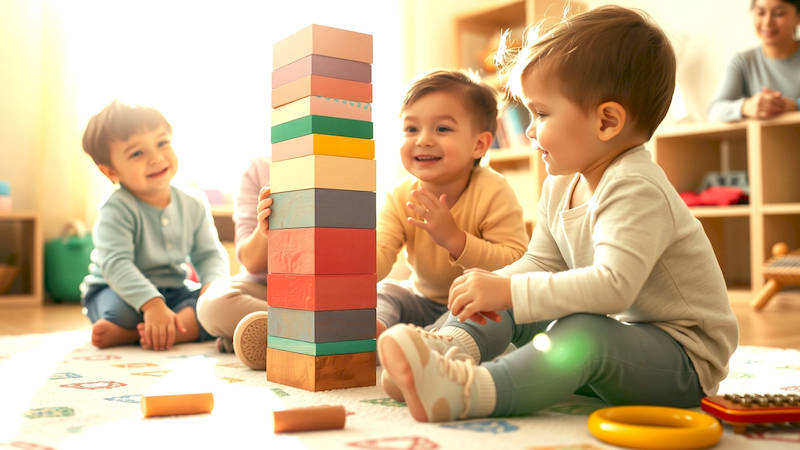
Moving to a new school, joining a new team, or even just starting a new class can be incredibly daunting – especially for children who naturally lean towards shyness. While some children readily embrace novelty and seek out interaction, others find themselves overwhelmed by unfamiliar faces and situations. This isn’t a character flaw; it’s a temperamental trait often rooted in a heightened sensitivity to social cues and a greater need for processing time. Understanding the nuances of childhood shyness, and proactively equipping your child with strategies to navigate new social environments, is crucial for their emotional well-being and long-term social development. This article will delve into the complexities of shyness, providing parents and caregivers with actionable strategies to help their shy children blossom and forge meaningful connections.
Shyness is frequently confused with social anxiety, but they aren’t the same. Shyness is characterized by a feeling of discomfort or inhibition in social situations, while social anxiety involves a more intense and persistent fear of judgment or negative evaluation. While a shy child wants to connect but feels unsure how, a child with social anxiety may actively avoid social interactions altogether. Recognizing this difference is the first step in providing appropriate support. Supporting a shy child isn't about trying to 'fix' them; it’s about empowering them with the tools and confidence to manage their feelings and engage with the world at their own pace. Remember, introversion and shyness are also separate; someone can be introverted and enjoy solitude while still possessing robust social skills.
- Understanding the Roots of Shyness in Children
- Preparing for New Social Situations
- Encouraging Small Steps and Celebrating Effort
- Building Social Skills Through Playdates and Activities
- Fostering Resilience and Self-Esteem
- Addressing Potential Bullying and Social Exclusion
- Conclusion: Empowering Your Shy Child for Social Success
Understanding the Roots of Shyness in Children
Shyness is a complex trait with a multifaceted etiology. Research suggests a strong genetic component – children with shy parents are more likely to be shy themselves. However, environment also plays a significant role. Early experiences, such as overprotective parenting or negative social interactions, can contribute to the development of shyness. It's not necessarily about what happens, but how a child interprets those experiences. For instance, a child who publicly stumbles during a school presentation might internalize this as a sign of their own inadequacy, leading to increased social hesitancy.
Furthermore, temperament plays a crucial role. Some children are born with a more cautious and sensitive temperament, meaning they are more easily overwhelmed by stimulation and require more time to adjust to new situations. These children aren’t necessarily “shy,” but their natural inclination towards caution can be misinterpreted as shyness. Understanding your child's temperament allows you to tailor your support and expectations accordingly. It is also important to note that cultural factors can influence perceptions of shyness – in some cultures, a reserved demeanor is valued, while in others, outgoingness is more highly prized.
It's crucial to avoid labeling a child as "shy." Labels can become self-fulfilling prophecies, reinforcing the behavior you're trying to address. Instead, focus on describing the specific behaviors you observe (“You seemed a little hesitant to join the game at recess”) and validating their feelings (“It’s okay to feel nervous when meeting new people”). A study by the American Psychological Association found that children who are frequently labeled as shy are more likely to experience prolonged social difficulties.
Preparing for New Social Situations
Proactive preparation is key to easing a shy child's anxiety in new environments. The more familiar they are with what to expect, the less overwhelming the situation will feel. This starts with talking about the new experience beforehand, providing detailed information about the setting, the people they might encounter, and the activities they'll be participating in. Role-playing can be incredibly beneficial. Practice simple greetings like “Hi, my name is…” and initiating conversations with pre-prepared questions like “What’s your favorite game?”
Beyond verbal preparation, consider visiting the new environment beforehand if possible. A "practice run" allows your child to become acquainted with the physical space, reducing the element of the unknown. If a school visit isn't feasible, look for online resources like virtual tours or photos of the classroom. Additionally, think about potential "safe zones" within the new environment – a quiet corner in the classroom, a friendly teacher's aide, or a designated spot on the playground. Knowing they have a place to retreat to if they feel overwhelmed can provide a sense of security. Psychologist Lisa Damour, author of "Untangled," emphasizes the importance of allowing children to withdraw when feeling socially overwhelmed, rather than pressuring them to constantly engage.
Finally, coordinate with teachers or leaders in the new environment. Letting them know about your child's shyness allows them to offer gentle encouragement and facilitate introductions. A teacher could pair your child with a kind and welcoming classmate for a specific activity, fostering a positive first interaction.
Encouraging Small Steps and Celebrating Effort
One of the biggest mistakes parents can make is pushing their shy child too hard, too fast. Socialization should happen at their pace, with incremental steps towards greater independence. Start with small, achievable goals, such as saying hello to one new person or asking a simple question in class. Avoid comparing your child to more outgoing peers – every child has their own unique social timeline.
Focus on praising effort rather than outcome. Instead of saying “You were so brave to join that game!” try “I noticed you really worked up the courage to talk to that boy, that was really impressive!” This reinforces the process of overcoming shyness, rather than focusing solely on the result. This aligns with research on growth mindset, which demonstrates that praising effort fosters resilience and a willingness to tackle challenges. Similarly, acknowledging their feelings ("I know it feels scary to talk to people you don't know") validates their experience and creates a safe space for them to express their vulnerabilities.
Additionally, model social interaction yourself. Let your child observe you engaging in conversations with others, demonstrating positive social behaviors. Narrate your thought process out loud: "I'm going to introduce myself to Mrs. Jones because I want to thank her for helping me." This provides a concrete example of how to initiate and maintain social connections.
Building Social Skills Through Playdates and Activities
Structured playdates with one or two carefully chosen peers can provide a low-pressure environment for practicing social skills. Rather than expecting spontaneous free play, which can be overwhelming for a shy child, provide a clear activity or game to focus on. Building with LEGOs, painting, or playing a board game offers a shared focus and reduces the pressure to constantly engage in conversation.
Extracurricular activities based on your child's interests are another excellent way to foster social connections. Whether it’s art class, music lessons, or a sports team, shared interests provide a natural foundation for bonding. Encourage your child to participate in activities where they can work collaboratively with others, as these opportunities promote communication and cooperation. However, be mindful of overwhelming your child with too many activities; allowing for downtime is essential.
Consider joining a social skills group. These groups, often led by trained therapists, provide a safe and supportive environment for children to practice social interactions and learn coping mechanisms for social anxiety. The group setting also allows children to learn from observing and interacting with their peers.
Fostering Resilience and Self-Esteem
Long-term social success depends not only on developing social skills but also on building a strong sense of self-esteem and resilience. Encourage your child to pursue their passions and hobbies, creating opportunities for them to experience mastery and develop a sense of competence. Focus on their strengths and celebrate their unique qualities. Remind them that it's okay to be different and that their shyness doesn’t diminish their worth.
Help your child develop a positive self-narrative. Challenge negative self-talk (“I’m terrible at making friends”) with more realistic and compassionate statements (“Making friends takes time, and I’m learning”). Encourage them to identify their positive qualities and focus on their achievements. Resilience isn't about avoiding setbacks; it's about learning to bounce back from them. Teach your child that everyone experiences social discomfort at times and that it's okay to make mistakes.
Finally, model self-compassion yourself. Show your child how you handle your own challenges and setbacks with kindness and understanding. This demonstrates that it's okay to be imperfect and that self-acceptance is essential for overall well-being.
Addressing Potential Bullying and Social Exclusion
While the focus is on helping your child make friends, it’s important to acknowledge that shy children can be more vulnerable to bullying or social exclusion. Regularly check in with your child about their experiences at school or in other social settings. Listen carefully for any signs of distress, such as withdrawal, changes in mood, or reluctance to participate in activities.
If you suspect your child is being bullied, take immediate action. Communicate with the school or relevant authorities and work collaboratively to address the situation. Empower your child by teaching them assertive communication skills, such as how to say “no” and how to report bullying behavior. It’s also crucial to reinforce the message that bullying is never acceptable and that they are not to blame.
If your child experiences social exclusion, help them understand that not everyone will be a friend, and that’s okay. Focus on nurturing their existing friendships and helping them develop a strong sense of self-worth that isn’t dependent on external validation.
Conclusion: Empowering Your Shy Child for Social Success
Helping a shy child navigate new social environments requires patience, understanding, and a proactive approach. Remember that shyness is a trait, not a deficit, and it’s crucial to avoid labeling or pressuring your child. By preparing them for new situations, encouraging small steps, building their social skills through playdates and activities, fostering resilience and self-esteem, and addressing potential issues like bullying, you can empower them to confidently connect with others and thrive socially. The key is to create a safe and supportive environment where they feel comfortable being themselves and exploring the world at their own pace.
Our role as parents and caregivers is not to transform our shy children into social butterflies, but to equip them with the tools they need to manage their feelings, build meaningful relationships, and embrace their unique strengths. The lasting impact of these efforts will extend far beyond childhood, shaping them into confident, compassionate, and well-adjusted individuals. Encourage small steps, celebrate every effort, and remember that building social confidence is a journey, not a destination.
Deja una respuesta