
Tips for Encouraging Shy Children to Speak More Confidently
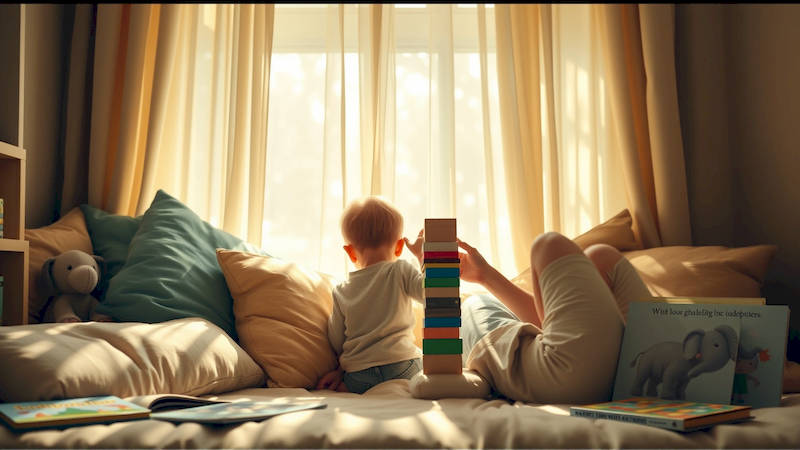
The journey of parenthood is filled with unique joys and challenges, and one common concern for many parents is a child's natural shyness. While a degree of introversion is perfectly normal and even beneficial, pronounced shyness that hinders a child's ability to participate in social interactions, express their needs, or contribute in educational settings requires thoughtful attention. This isn't about 'fixing' a shy child, but rather, empowering them with the tools and confidence to communicate comfortably and authentically. Early language acquisition and communication skills lay the foundation for social-emotional wellbeing, academic success, and future personal fulfillment.
Understanding that shyness isn’t simply a personality quirk, but a complex interplay of temperament, environment, and learned behaviors, is the first step. It's crucial to avoid labels like “shy” in front of the child, as these can become self-fulfilling prophecies, reinforcing the very behavior you’re hoping to encourage. Instead, a proactive, supportive, and patient approach is vital to cultivate a child’s verbal confidence and allow their unique voice to emerge. This article will explore actionable strategies, backed by developmental insights, to help your shy child find their voice and communicate with increasing assurance.
- Understanding the Roots of Shyness in Children
- Creating a Safe and Supportive Communication Environment at Home
- Practical Strategies for Encouraging Verbal Participation
- Fostering Confidence Through Skill-Building Activities
- Addressing Setbacks and Celebrating Small Victories
- When to Seek Professional Help
Understanding the Roots of Shyness in Children
Shyness is often misunderstood as simple fear, but it’s more accurately described as discomfort or inhibition in social situations. A child's predisposition to shyness can be largely inherited; research suggests a genetic component influencing temperament. However, environmental factors play a significant role. Overprotective parenting, critical feedback, or experiences of social exclusion can exacerbate shy tendencies. It’s important to remember that approximately 15-20% of children are considered “highly shy” based on behavioral assessments, indicating it’s a relatively common trait.
Furthermore, the developmental stage of the child is paramount. Toddlerhood often brings a period of stranger anxiety, where clinging to caregivers is natural. As children enter preschool, social interactions become more complex, potentially triggering shyness if they lack the necessary communication skills or feel unprepared. Understanding the specific triggers that contribute to your child’s shyness – is it new environments? Speaking to authority figures? Large groups? – is crucial for tailoring your approach. Observing when and where your child is most hesitant can provide significant clues.
Finally, it’s essential to differentiate between shyness and social anxiety. While shyness involves discomfort, social anxiety is characterized by significant fear and worry, potentially leading to avoidance behaviors and physical symptoms like stomachaches or headaches. If you suspect your child’s shyness is escalating into social anxiety, seeking professional guidance from a pediatrician or child psychologist is recommended.
Creating a Safe and Supportive Communication Environment at Home
The home environment is the bedrock for fostering confident communication. A safe and supportive atmosphere, characterized by unconditional positive regard, is paramount. This means actively listening to your child without interruption or judgment, valuing their thoughts and feelings, even if you disagree with them. Resist the urge to finish their sentences or speak for them; allowing them the time and space to formulate their own thoughts is crucial. A study by the University of California, Berkeley, showed that children with parents who routinely validated their feelings exhibited higher levels of self-esteem and were more likely to express themselves openly.
Moreover, creating opportunities for one-on-one interaction can be incredibly beneficial. Dedicated "special time" – even just 15-20 minutes a day – where your child chooses the activity and receives your undivided attention, can build trust and encourage them to open up. During this time, ask open-ended questions that require more than a "yes" or "no" response, such as “What was the best part of your day?” or “If you could build anything, what would it be?” Remember, the goal is not to interrogate, but to create a relaxed and inviting space for conversation.
Finally, model the behavior you want to see. Demonstrate active listening, express your own feelings appropriately, and engage in respectful dialogue with others. Children learn by observing, so your communication style will heavily influence theirs.
Practical Strategies for Encouraging Verbal Participation
Transitioning from a supportive home environment to encouraging verbal participation in broader settings requires a more targeted approach. Start small. Encourage your child to initiate simple interactions, like ordering their own food at a restaurant or asking a store clerk a question. Role-playing these scenarios beforehand can significantly reduce anxiety. For example, practice ordering a milkshake together, with your child practicing what they will say and you providing encouragement and positive feedback.
Gradually increase the complexity of these interactions. Encourage participation in small group activities, such as playdates with one or two familiar friends. Avoid putting your child on the spot or forcing them to speak. Instead, create opportunities for them to contribute without pressure. For example, during a playdate, you might say, "Lily is building a tower; maybe you could help her?" This offers a low-stakes way for your child to engage.
Consider using puppets or stuffed animals as intermediaries. Sometimes, children feel more comfortable expressing themselves through a third party. This can be a fantastic way to practice conversations and explore emotions without the direct pressure of face-to-face interaction.
Fostering Confidence Through Skill-Building Activities
Beyond creating opportunities for interaction, actively building your child’s communication skills is crucial. Storytelling is a powerful tool for developing verbal fluency and imagination. Encourage your child to retell stories, create their own narratives, or participate in collaborative storytelling games. These activities foster creativity and provide practice in sequencing thoughts and expressing them verbally.
Participating in drama or improvisation games can also be incredibly beneficial. These activities encourage spontaneity, risk-taking, and nonverbal communication skills. Even simple games like charades can build confidence and encourage expressive communication. Similarly, reading aloud together, and encouraging your child to read aloud in return, helps develop pronunciation, vocabulary, and reading comprehension – all crucial components of effective communication.
Furthermore, consider enrolling your child in activities that align with their interests. Whether it's art class, music lessons, or a sports team, engaging in activities they enjoy can provide a natural setting for interacting with peers and building confidence. "When children are engaged in something they love," explains Dr. Laura Markham, a clinical psychologist, "the pressure to perform socially diminishes, allowing them to relax and connect more authentically."
Addressing Setbacks and Celebrating Small Victories
Progress is rarely linear. There will be times when your child retreats back into shyness, especially after challenging social experiences. It’s crucial to respond with empathy and understanding, avoiding criticism or pressure. Acknowledge their feelings and reassure them that it’s okay to feel shy. “It looked like that was a bit scary for you, and that’s okay”, is much more helpful than "You need to be braver."
Celebrating small victories, no matter how insignificant they may seem, is also essential. Did your child successfully ask a question in class? Did they initiate a conversation with a friend? Acknowledge their effort and courage. Positive reinforcement, focused on the process rather than the outcome, can build confidence and encourage further progress.
Remember, building confidence is a marathon, not a sprint. Patience, consistency, and unwavering support are key. Avoid comparing your child’s progress to others; every child develops at their own pace.
When to Seek Professional Help
While most children will gradually overcome their shyness with support and encouragement, there are instances where professional intervention is warranted. If your child’s shyness is significantly impacting their daily life, causing them intense distress, or interfering with their ability to function at school or in social settings, seeking help from a pediatrician or child psychologist is advisable.
Signs that might indicate the need for professional help include: persistent avoidance of social situations, significant anxiety or panic attacks, difficulty making or maintaining friendships, or emotional withdrawal. A therapist can provide specialized interventions, such as cognitive-behavioral therapy (CBT), to help your child manage their anxiety and develop coping mechanisms to navigate social situations more effectively.
In conclusion, encouraging a shy child to speak more confidently is a nuanced process requiring patience, understanding and a commitment to creating a supportive environment. By recognizing the roots of their shyness, actively fostering communication at home, implementing practical strategies, building their skills, celebrating their victories, and knowing when to seek professional support, you can empower your child to find their voice and reach their full potential. Remember, the goal isn’t to eliminate shyness, but to equip your child with the confidence to navigate the world authentically and express themselves fully.
Deja una respuesta