
How to Involve Kids in Grocery Shopping to Promote Healthy Choices
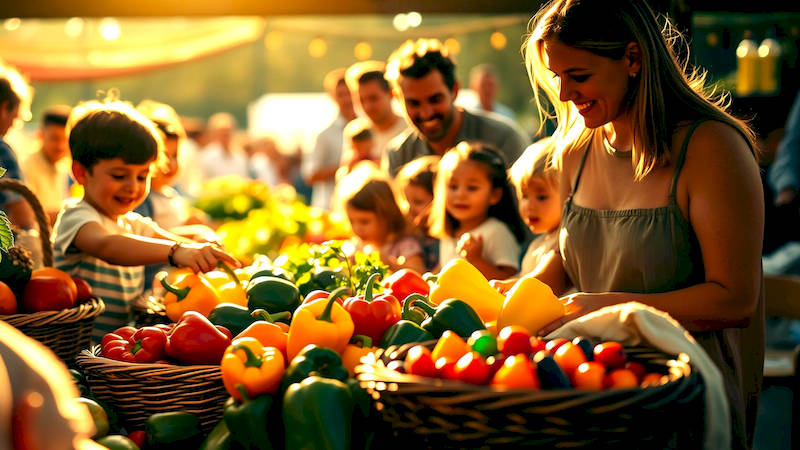
Grocery shopping. For many parents, it’s a necessary evil – a chaotic dash through aisles, dodging requests for sugary cereals and negotiating snack purchases. But what if grocery shopping could be transformed from a battleground into a valuable learning opportunity, a chance to instill healthy eating habits that last a lifetime? Involving children in the grocery shopping process isn't just about getting extra hands to reach items on high shelves; it's a powerful tool to shape their understanding of nutrition, build confidence in food choices, and foster a positive relationship with food. This article will delve into practical strategies for successfully involving kids in every stage of grocery shopping, turning a mundane chore into a lesson in health and wellbeing.
The benefits extend far beyond simply avoiding supermarket meltdowns. Children who participate in food selection are more likely to try new fruits and vegetables, develop a broader palate, and understand where their food comes from. This increased awareness can mitigate the growing concerns surrounding childhood obesity, picky eating, and the prevalence of processed food consumption. Furthermore, learning to budget, compare prices, and read food labels are valuable life skills that begin to develop in the supermarket aisles. By empowering kids to make informed decisions, we equip them to navigate the complex food environment and prioritize their health.
- Planning is Paramount: Prep Work Before You Leave Home
- Navigating the Store: Giving Age-Appropriate Responsibilities
- Decoding Food Labels: A Teachable Moment in Every Aisle
- Produce Power: Connecting Food to its Source
- Dealing with “Can We Have This?”: Navigating Requests and Impulse Buys
- Making it Fun: Games and Positive Reinforcement
- Conclusion: Building Lifelong Healthy Habits
Planning is Paramount: Prep Work Before You Leave Home
Before even stepping foot in the store, involve your children in the planning process. This isn't about handing them a free rein over the shopping list, but rather, about creating a collaborative environment. Begin by discussing meals for the week. Ask them what vegetables they'd like to try with dinner, or what fruits they'd be excited to pack in their lunches. Write down their suggestions (even if you don’t plan to use them all), demonstrating that their input is valued. According to a study by the University of North Carolina, children who were involved in meal planning were more likely to eat the meals they helped plan.
Next, create a shopping list together. This is a fantastic opportunity to teach categorization. "Okay, we need things for breakfast, lunch, and dinner. Let’s group items together that go with each meal." You can also introduce the concept of building a balanced plate. Ask questions like, “Do we have enough fruits and vegetables on our list? What about protein?” For younger children, a picture-based shopping list can be immensely helpful; they can check off items as they find them. This isn’t just about efficiency; it’s about setting the stage for mindful shopping.
This planning stage builds anticipation and a sense of ownership. Instead of feeling like they're being dragged along on your errand, they'll feel like they're part of a team, working towards a common goal: a delicious and healthy week of meals. Furthermore, discussing potential purchases beforehand can prevent impulse buys driven by clever marketing tactics aimed at children.
Navigating the Store: Giving Age-Appropriate Responsibilities
Once in the store, assign age-appropriate tasks. For toddlers, simply having them push a small, manageable shopping cart (or helping to hold a shopping list with pictures) can make them feel involved. Preschoolers can be responsible for finding specific items, like a particular brand of yogurt or a certain color of apple. Frame it as a “treasure hunt” – “Can you find the red apples? They're hidden somewhere in the produce section!” This makes the process engaging and reinforces observational skills.
Older children (school-age and beyond) can be given more complex responsibilities. They can compare unit prices to determine the best value, read food labels to identify added sugars or unhealthy fats, and even help stick to a pre-determined budget. A good exercise is to give them a small amount of “grocery money” and task them with finding a healthy snack within that budget. "You have $5 to find a healthy snack for your lunchbox. What can you find?" This fosters financial literacy and requires critical thinking skills. Remember to offer guidance and support, particularly when deciphering food labels. Explain what different terms mean, and discuss the nutritional benefits of various choices.
Decoding Food Labels: A Teachable Moment in Every Aisle
Food labels often feel like a cryptic code, but they’re a powerful tool for making informed decisions. Grocery shopping provides the perfect opportunity to teach children how to decipher them. Start with the basics: serving size, calories, and the percentage of daily values. Explain that the daily values are based on a 2,000-calorie diet and that individual needs may vary. Focus on identifying key nutrients like fiber, protein, and vitamins.
Then, move on to less desirable components like added sugars, saturated fats, and sodium. Teach them to compare labels, highlighting the differences between products. “Look at these two cereals. Which one has more sugar? Which one has more fiber?” Explain why those differences matter to their health. Don’t just focus on the negatives; point out positive attributes as well. Finding a product with a good source of Vitamin C or a significant amount of fiber can be celebrated. According to the CDC, limiting added sugars is crucial for preventing chronic diseases like obesity and type 2 diabetes, making this a vital lesson for children to learn.
This isn't about demonizing certain foods, but rather about empowering children to make informed choices based on nutritional information. It's about understanding that moderation is key and that sometimes, a treat is okay, but knowing what makes it a treat is important.
Produce Power: Connecting Food to its Source
The produce section is arguably the most valuable learning area in the entire store. Use this opportunity to talk about where fruits and vegetables come from. Discuss how they grow, the different seasons for different produce, and the benefits of eating a variety of colors. “Notice all the different colors of peppers! Each color offers different vitamins and nutrients.”
Encourage your children to pick out their own fruits and vegetables. Let them inspect the produce, smell it, and even ask questions about it. If possible, take them to a farmer’s market occasionally to experience a direct connection to the source of their food. This is a powerful way to foster appreciation for healthy eating and support local farmers. Discuss the concept of seasonality - why certain fruits and vegetables are more expensive or unavailable at certain times of the year. Resources like the USDA’s MyPlate offer excellent educational materials on the benefits of different produce options.
Beyond the act of selecting, this is a great time to discuss preparations. "How do you think we could cook these carrots? Roasted? Steamed? In a soup?" This connects the shopping experience to the meal itself, further reinforcing the importance of healthy food choices.
Dealing with “Can We Have This?”: Navigating Requests and Impulse Buys
Inevitably, children will encounter tempting treats and sugary snacks that aren't on the list. It's essential to have a pre-agreed upon strategy for dealing with these requests. Avoid simply saying “no” without explanation. Instead, explain why the item isn’t on the list. “That cookie looks delicious, but remember we’re trying to eat more fruits and vegetables this week.”
Establish a system for occasional treats. Perhaps you allow one “fun item” per shopping trip, or save treats for special occasions. You can also redirect their attention to a healthier alternative. “Instead of those cookies, how about we grab some berries for dessert?” It’s vital to remain calm and consistent with your boundaries. Giving in to every request reinforces unhealthy eating habits and sends the message that healthy choices aren’t important.
Furthermore, teach them to differentiate between needs and wants. “We need milk and bread to make sandwiches, but we want that candy bar. Let’s focus on the things we need first.” This is a valuable lesson that extends far beyond the grocery store.
Making it Fun: Games and Positive Reinforcement
Keep the energy positive and make grocery shopping a fun experience. Incorporate games like "I Spy" (looking for specific colors or textures), or create a scavenger hunt with healthy food items. Celebrate their contributions! Acknowledge their efforts to find healthy options, read food labels, or stay within the budget.
Avoid using food as a reward or punishment. This can create unhealthy associations with food and lead to emotional eating. Instead, focus on praising their good choices and efforts. Remember that modeling healthy behavior is crucial. If you're choosing healthy options, your children are more likely to do the same. A positive attitude and a playful approach can transform grocery shopping from a chore into a memorable and educational experience.
Conclusion: Building Lifelong Healthy Habits
Involving kids in grocery shopping is an investment in their future health and wellbeing. It’s about more than just filling the refrigerator; it’s about cultivating a positive relationship with food, fostering informed decision-making skills, and building lifelong healthy habits. By starting small, being patient, and making it fun, parents can empower their children to become confident and conscious consumers. Remember to prioritize planning, assign age-appropriate responsibilities, decode food labels together, and connect food to its source. Dealing effectively with requests for unhealthy items and reinforcing positive choices are also key components of success. The supermarket, often viewed as a place of temptation, can be transformed into a classroom, a laboratory, and a source of family bonding. The benefits—a healthier, more informed, and empowered child—are well worth the effort. Start today, and watch your little ones blossom into little foodies!
Deja una respuesta