
How to Handle Biting and Aggression in Toddlers Effectively
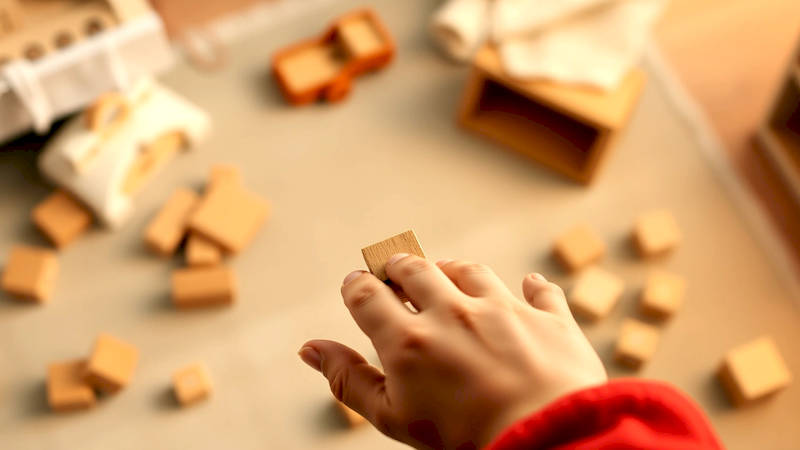
Toddlerhood is a whirlwind of discovery, rapidly developing skills, and…sometimes, challenging behaviors. Among these challenges, biting and other forms of aggression – hitting, kicking, scratching – are surprisingly common. Witnessing your little one engage in these actions can be incredibly distressing, leaving parents feeling confused, embarrassed, and unsure how to respond. It’s important to remember that these behaviors aren't necessarily indicative of a “bad” child, but rather a common, albeit frustrating, part of development. Toddlers lack the sophisticated verbal skills to express complex emotions like frustration, anger, or even excitement, and physical aggression often becomes their default mode of communication.
Understanding why these behaviors occur is the first crucial step in addressing them effectively. Toddlers are driven by impulse and are still learning about cause and effect, self-control, and empathy. They’re testing boundaries, navigating power dynamics, and trying to understand their own feelings and how their actions impact others. Ignoring these behaviors or resorting to harsh punishments can be counterproductive, potentially escalating the issues and damaging the parent-child relationship. This guide aims to equip parents with a deep understanding of toddler aggression, actionable strategies for intervention, and a framework for fostering empathy and more appropriate communication skills.
- Understanding the Roots of Aggression in Toddlers
- Immediate Response: The "Stop, Separate, and Speak" Approach
- Proactive Strategies: Building Emotional Intelligence
- Preventing Aggression Through Environmental Management
- Consistency is Key and Seeking Professional Guidance
- Conclusion: Fostering a Future of Empathy and Peaceful Interaction
Understanding the Roots of Aggression in Toddlers
Aggression in toddlers isn’t about malice; it’s often a signal. It’s a way for them to communicate needs they can’t yet verbalize. Consider a toddler fiercely guarding a toy – this isn’t about possessiveness in the adult sense, but rather a feeling of insecurity and a difficulty understanding that the toy will still be there even if shared temporarily. Another common trigger is frustration. Building a tower that keeps collapsing, or being unable to reach a desired object, can lead to a physical outburst. According to the American Academy of Pediatrics, approximately 2-3% of toddlers engage in regular biting behavior, reaching its peak between 18-24 months. This isn't to normalize the behavior, but to reassure parents that they are not alone in experiencing it.
It's also important to consider the developmental stage. Toddlers are egocentric, meaning they see the world primarily from their own perspective. They haven't fully developed the capacity for empathy – understanding how their actions affect others. This doesn’t mean they lack empathy entirely, but rather that it's still developing. Furthermore, the prefrontal cortex, the brain region responsible for impulse control and emotional regulation, is still under construction in toddlers. This makes it difficult for them to restrain themselves when overwhelmed by strong emotions. Recognizing these neurological factors can help shift the focus from viewing aggression as willful disobedience to understanding it as a developmental challenge.
Finally, external factors can contribute to aggressive behavior. Changes in routine, stress at home (e.g., a new sibling, moving), or lack of sleep can all exacerbate underlying tendencies. Observing aggressive behavior in their environment—even on television—can also model such responses for a young child. Therefore, a comprehensive approach to addressing aggression needs to consider both the internal developmental factors and the external environmental influences.
Immediate Response: The "Stop, Separate, and Speak" Approach
When a toddler bites, hits, or engages in other aggressive behavior, a swift and consistent response is crucial. The foundation of this response should be the “Stop, Separate, and Speak” approach. First, immediately and firmly say "No biting" or "No hitting" using a calm but assertive tone. Avoid yelling, as this can escalate the situation and frighten the child. The key is to be direct and unambiguous. Then, immediately separate the aggressor from the victim. This is vital for both the safety of the other child and to provide the aggressor with a cooling-off period.
The separation shouldn’t be punitive, like a "time-out" in the traditional sense. Instead, it’s a brief removal from the stimulating situation to allow the toddler to regain control of their emotions. This could involve sitting them beside you, or gently guiding them to a quiet space. Finally, speak to the child in simple, age-appropriate language. "Hitting hurts. We don't hit our friends. Use your words." Focus on the impact of their actions, not on labeling them as "bad." It’s equally important to attend to the victim, offering comfort and reassurance. This implicitly demonstrates that aggression is unacceptable and caring is the valued response. Remember, this isn’t a lecture, it’s a brief, direct statement connecting action and consequence.
Dr. Laura Markham, author of "Peaceful Parent, Happy Kids," emphasizes the importance of remaining calm during these moments. “Your reaction teaches your child more than your words ever will. If you panic, they’ll panic. If you remain calm, they’re more likely to calm down, too.” This highlights the need for parents to regulate their own emotions before responding to their child's aggressive behavior.
Proactive Strategies: Building Emotional Intelligence
Addressing aggression isn’t just about reacting to incidents; it’s about proactively building a toddler’s emotional intelligence. This involves helping them identify, understand, and manage their feelings. Start by labeling emotions for your child. "You seem frustrated that the tower keeps falling down." Or, "You're angry that your brother took your toy." This helps them develop emotional vocabulary. Modeling appropriate emotional expression is also incredibly important. Show your child how you handle your own frustrations and anger in healthy ways.
Furthermore, encourage verbal communication. Instead of letting them resort to hitting when frustrated, prompt them to use their words. "Tell him, 'I'm playing with that now.'" You can even practice these phrases with them during calm moments. Role-playing situations can be a particularly effective tool. Act out scenarios where a child feels frustrated or angry, and guide them through using their words to express those feelings. Creating a “feelings chart” with pictures illustrating different emotions can also be helpful. This allows the child to visually identify and associate names with their feelings.
Beyond emotional identification, teach simple calming techniques. Deep breathing, counting to ten, or taking a break in a quiet space can provide effective tools for self-regulation. Remember that these skills take time and practice to develop, so patience and consistency are key. It’s also important to provide opportunities for physical activity to help release pent-up energy.
Preventing Aggression Through Environmental Management
Often, aggression can be prevented by carefully managing the environment and anticipating potential triggers. One key aspect is minimizing opportunities for conflict. If two toddlers are constantly fighting over the same toys, remove one of the toys or provide duplicates. Creating designated spaces for individual play can also reduce competition. For example, establishing a quiet corner with books and puzzles can provide a safe haven for a child who needs a break from the activity.
Pay attention to the child's cues. If you notice they are becoming increasingly frustrated, intervene before the situation escalates. Redirect their attention to a different activity, offer assistance, or simply provide a calming presence. Sufficient sleep and a consistent routine are also crucial. A tired and overstimulated toddler is much more likely to become aggressive. Ensure they are getting adequate rest and that their daily schedule is predictable.
Furthermore, consider the impact of screen time. While moderate use may be harmless, excessive screen time—especially exposure to violent content—has been linked to increased aggression in children. According to a study published in Pediatrics, children who watch a lot of violent television are more likely to exhibit aggressive behavior themselves. Setting limits on screen time and choosing age-appropriate content can help mitigate these risks.
Consistency is Key and Seeking Professional Guidance
Consistency in your response is paramount. If you allow biting or hitting to slide sometimes, you’re sending a mixed message to your child. They’ll be confused about what’s acceptable and what isn’t. All caregivers—parents, grandparents, daycare providers—need to be on the same page and consistently apply the same strategies. This creates a predictable and secure environment for the child.
However, if the aggression is frequent, severe, or accompanied by other concerning behaviors (e.g., self-harm, persistent anger outbursts), it's crucial to seek professional guidance. A pediatrician, child psychologist, or early childhood specialist can help assess the situation, rule out any underlying medical or developmental concerns, and provide tailored strategies for intervention. There may be undiagnosed issues such as sensory processing disorder or emotional regulation challenges which necessitate professional intervention. Don't hesitate to reach out for support if you’re feeling overwhelmed or unsure how to handle the situation.
Conclusion: Fostering a Future of Empathy and Peaceful Interaction
Navigating biting and aggression in toddlers is undoubtedly challenging, but it's also an opportunity to teach valuable life skills. Remember that these behaviors are usually a sign of developmental immaturity and a need for guidance, not malice. By understanding the underlying reasons for aggression, responding with a calm and consistent “Stop, Separate, and Speak” approach, and proactively building your child's emotional intelligence, you can help them develop healthier ways to express themselves and interact with others.
The key takeaways are to remain calm, prioritize emotional labeling and verbal communication, and manage the environment to minimize triggers. Don't be afraid to seek professional help if needed, and remember that progress takes time and consistency. Ultimately, the goal isn’t to eliminate all aggression, but to guide your child towards becoming a compassionate, empathetic, and emotionally resilient individual capable of navigating conflict in a peaceful and constructive manner. Consistency, patience, and a focus on building emotional intelligence are your greatest allies in this journey.
Deja una respuesta