
How to Create Balanced Lunchboxes Your Kids Will Actually Eat
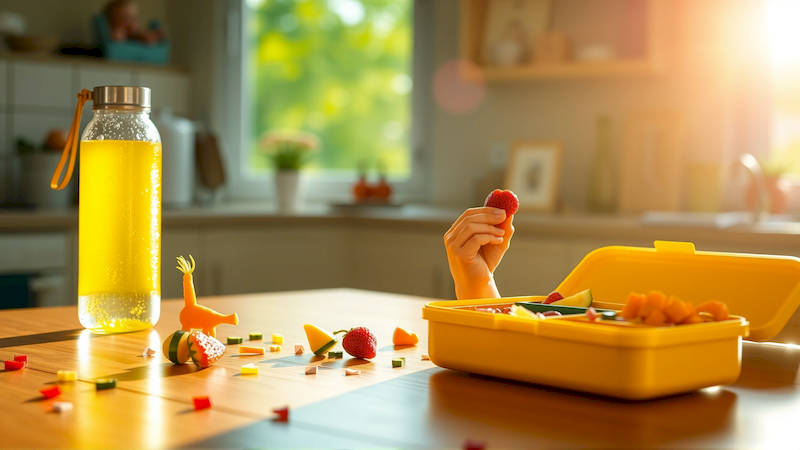
Packing a school lunch can feel like a daily battle. Between picky eaters, time constraints, and the constant pressure to provide nutritious options, it’s no wonder many parents feel overwhelmed. But a well-planned lunchbox isn't just about ticking boxes on a nutritional checklist; it’s a powerful tool for fueling your child’s body and brain for a successful school day, supporting healthy habits, and even fostering a positive relationship with food. The benefits extend beyond the classroom, impacting energy levels, concentration, and overall wellbeing.
It's a common statistic that children consume a significant portion of their daily calories at school, making the lunchbox a crucial opportunity to ensure they receive the nutrients they need. According to the CDC, less than 20% of children eat the recommended daily amount of fruits and vegetables. This highlights the importance of intentional design when it comes to packing lunches. This article dives deep into crafting balanced, appealing lunchboxes that your kids will actually eat, covering everything from portion sizes to picky-eater strategies, and beyond.
- Understanding the Building Blocks of a Balanced Lunch
- Tackling Picky Eating: Strategies for Success
- Portion Control & Age-Appropriate Serving Sizes
- Beyond Sandwiches: Creative & Nutritious Lunchbox Ideas
- Safety First: Keeping Lunchboxes Food Safe
- Making Lunchboxes Fun & Engaging
- Conclusion: Building Healthy Habits, One Lunchbox at a Time
Understanding the Building Blocks of a Balanced Lunch
A truly balanced lunchbox isn't just about throwing in a sandwich and some chips. It’s about covering all the essential food groups in appropriate portions, ensuring sustained energy and optimal nutrition. We need to think beyond individual foods and consider the synergistic effects of combining different nutrients. The core components should include: protein, carbohydrates (focusing on whole grains), healthy fats, fruits, and vegetables.
Protein is vital for growth and keeps kids feeling full and focused. Think lean meats, poultry, fish, beans, lentils, hard-boiled eggs, or even cheese. Carbohydrates provide energy, but prioritize whole grains like whole-wheat bread, quinoa, or brown rice over refined options. Healthy fats are essential for brain development; include avocado, nuts (if allowed by school policy), seeds, or olive oil-based spreads. Finally, fruits and vegetables bring vitamins, minerals, and fiber – crucial for digestion and immunity. A good rule of thumb, especially for younger children, is to aim for roughly 1/4 protein, 1/4 carbohydrates, 1/4 fruits/vegetables, and 1/4 healthy fats.
Building on this foundation, it's beneficial to vary the food choices within these groups throughout the week. Monotony breeds boredom, and a boring lunchbox is less likely to be enthusiastically consumed. Consider a "color your plate" approach, aiming for a visually appealing variety of colors from different fruits and vegetables. This not only makes the lunchbox more attractive but also ensures a broader range of nutrients. This principle ensures your child gets various vitamins and minerals.
Tackling Picky Eating: Strategies for Success
Picky eating is a frustrating reality for many parents, but it doesn’t have to derail your lunch-packing efforts. Understanding the root causes of picky eating is key – it’s often about control, sensory sensitivities, or simply a preference for familiar flavors. Instead of forcing foods, which can create negative associations, focus on introducing new foods gradually and subtly.
One highly effective tactic is "exposure without pressure." This involves repeatedly offering small portions of a new food alongside familiar favorites, without any expectations of consumption. It can take 10-15 exposures before a child will even try a new food. Another useful strategy is to involve your child in the lunch-packing process. Even letting them choose between two healthy fruit options can give them a sense of ownership and increase the likelihood they’ll eat what’s packed. Furthermore, presentation matters. Cut sandwiches into fun shapes, use colorful containers and dividers, and arrange food attractively.
Don’t be discouraged by initial rejections. Moderation, patience, and a positive attitude are essential. "One bite rule" can also be helpful, gently encouraging them to try at least one bite of new things. Remember that children’s tastes change, so periodically re-introduce foods they previously disliked. It's important to remember that modeling good eating habits yourself is powerfully effective as well; children often mimic their parents' food preferences.
Portion Control & Age-Appropriate Serving Sizes
While providing a balanced variety of foods is crucial, understanding appropriate portion sizes is equally important. Overpacking lunchboxes is a common mistake, leading to food waste and potentially contributing to unhealthy eating habits. Portion sizes vary significantly depending on a child's age, activity level, and individual needs.
As a general guideline, younger children (ages 3-5) require smaller portions than older children (ages 6-12). A 3-5 year old might need around 1-1.5 cups of total food, while a 6-12 year old might need 2-2.5 cups. Focusing on quality over quantity is also important. Instead of a large bag of chips, offer a smaller portion of whole-grain crackers. A single serving of fruit should be roughly the size of their fist. It is also beneficial to consider the school day schedule. If your child has a particularly active afternoon, a slightly larger portion of protein and carbohydrates might be beneficial.
Pre-portioning snacks into individual containers is a great way to control intake and prevent mindless snacking. Visually separating foods within the lunchbox can also help children understand portion sizes. Instead of mixing everything together, keep fruits, vegetables, protein, and carbohydrates in separate compartments.
Beyond Sandwiches: Creative & Nutritious Lunchbox Ideas
The dreaded sandwich rut is real. While sandwiches can be a convenient option, they don’t have to be the default. Expanding your lunchbox repertoire can make things more interesting and ensure your child receives a wider range of nutrients. Variety doesn’t have to mean significantly more effort.
Think outside the bread! Consider wraps with whole-wheat tortillas, lettuce wraps, or even pitas filled with hummus and veggies. Pasta salads with lean protein and chopped vegetables are another excellent option. For protein, explore bento-box style lunches with individual portions of grilled chicken, hard-boiled eggs, cheese cubes, and turkey slices. Use leftovers from dinner – a small portion of roasted chicken and vegetables, a serving of chili, or a slice of quiche can be transformed into a satisfying lunch. Don't forget about the power of dips! Hummus, guacamole, or yogurt-based dips can encourage kids to eat more vegetables.
To make lunch preparation even simpler, dedicate a specific time each week for meal prepping. Chop vegetables, cook grains, and portion out snacks in advance. This will save you valuable time during busy weekdays. A simple approach is to plan each week’s lunches on a Sunday.
Safety First: Keeping Lunchboxes Food Safe
Food safety is paramount when packing lunches. Incorrectly stored food can quickly become contaminated with bacteria, leading to foodborne illness. Proper temperature control is key.
Always use an insulated lunchbox or bag with an ice pack to keep perishable foods cold. Perishable foods include meat, poultry, fish, eggs, dairy products, and cut fruits and vegetables. Pre-chill the lunchbox or bag in the refrigerator before packing. Use multiple ice packs, especially during warmer months. Pack foods that need to stay cold directly next to the ice packs. Teach your child not to leave their lunchbox in a warm place, such as direct sunlight or near a radiator.
Another important consideration is cross-contamination. Use separate containers for different foods to prevent flavors from mixing and to avoid spreading bacteria. Thoroughly wash reusable containers with hot, soapy water after each use. It is also worth noting allergy restrictions at your child’s school. Some schools have very strict rules about nuts or other common allergens, so always be aware of these guidelines.
Making Lunchboxes Fun & Engaging
Finally, remember that lunch should be enjoyable! A fun and engaging lunchbox is more likely to be eaten.
Small touches can make a big difference. Use cookie cutters to create fun shapes with sandwiches, cheese, or fruit. Include a small note or sticker to brighten your child’s day. Let your child help decorate the lunchbox itself with stickers or markers. Consider themed lunches based on their favorite characters or hobbies. For example, a dinosaur-themed lunch could include "dino nuggets" (chicken nuggets) and "volcano broccoli" (broccoli florets).
Conclusion: Building Healthy Habits, One Lunchbox at a Time
Creating balanced lunchboxes that your kids will actually eat requires a thoughtful approach, combining nutritional knowledge with practical strategies. By understanding the building blocks of a balanced meal, addressing picky eating tendencies with patience and creativity, and prioritizing food safety, you can empower your child to make healthy choices and fuel their learning and growth. Remember that consistency is key. Regularly providing nutritious lunches helps establish healthy habits that will benefit them for a lifetime.
The journey to lunchbox success isn’t about perfection, it’s about progress. Start small by focusing on one or two changes at a time. Involve your child in the process, making it a collaborative effort. And don't be afraid to experiment and find what works best for your family. The ultimate goal is to pack a lunchbox that nourishes both their bodies and their spirits, setting them up for a successful and joyful school day. A well thought out, packed lunch is more than just food, it’s an expression of care and a foundation for healthy living.
Deja una respuesta