
Healthy Hydration Habits: Encouraging Kids to Drink More Water
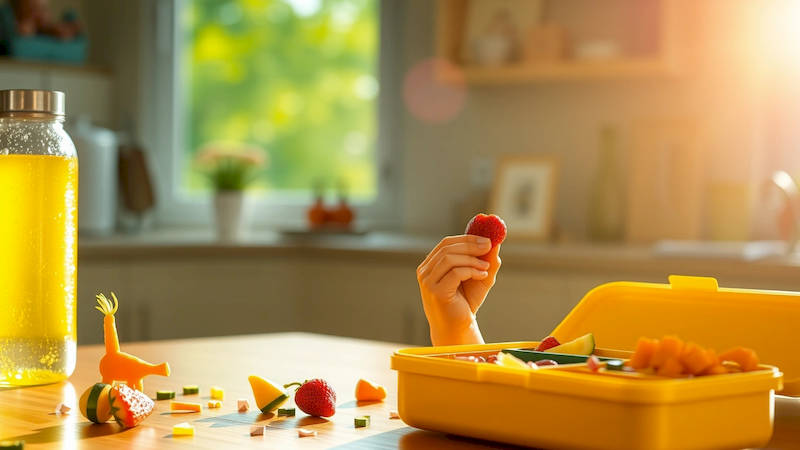
Water is the essence of life, a foundational element for optimal health, and a surprisingly challenging habit to instill in children. In today’s world of sugary drinks and busy lifestyles, ensuring your child receives adequate hydration is more important than ever. Dehydration can lead to a cascade of issues, from mild fatigue and headaches to more serious problems affecting concentration, physical performance, and overall well-being. This article will provide a comprehensive guide, brimming with practical strategies, to help you cultivate healthy hydration habits in your kids, setting them up for a lifetime of health and vitality. Beyond simply understanding why hydration is crucial, we’ll explore how to make it appealing and ingrained in your child's daily routine.
Proper hydration isn’t just about quenching thirst; it's vital for a plethora of bodily functions. Water regulates body temperature, transports nutrients, aids digestion, cushions joints, and flushes out waste products. For children, who are more susceptible to dehydration due to their higher metabolic rate and increased physical activity, maintaining optimal hydration levels is even more critical. Recognizing the signs of dehydration – lethargy, dark urine, dizziness, and decreased urination – is the first step in proactive prevention, but the true goal is to prevent these signs from appearing in the first place.
This guide will move beyond simply stating the importance of water and instead provide actionable advice tailored to different age groups and temperaments. We’ll delve into creative strategies, tackle common challenges, and explore how to make hydration fun and engaging for your little ones. By the end of this article, you'll be equipped with the knowledge and tools necessary to champion healthy hydration in your family.
- Understanding Daily Water Needs: Age-Specific Guidelines
- Making Water Appealing: Flavor Infusions and Fun Presentation
- Integrating Hydration into Daily Routines
- Addressing Common Challenges: Picky Drinkers and Busy Schedules
- Recognizing Dehydration and Knowing When to Seek Help
- Conclusion: Cultivating a Lifelong Habit of Healthy Hydration
Understanding Daily Water Needs: Age-Specific Guidelines
Determining the appropriate amount of water for your child isn’t a one-size-fits-all equation. It varies considerably based on age, activity level, climate, and overall health. A generally accepted guideline suggests that children aged 1-3 need around 4 cups (32 ounces) of fluids per day, encompassing water, milk, and watery fruits and vegetables. For children aged 4-8, the recommendation increases to around 5 cups (40 ounces), and for older children and teenagers, it rises to 6-8 cups (48-64 ounces) or more, particularly if they’re physically active. However, these are merely averages; observing your child’s cues and adjusting accordingly is paramount.
It’s crucial to remember that these recommendations include all sources of fluids. While juice and sweetened beverages contribute to fluid intake, they come with added sugars and calories that aren’t ideal. Emphasizing water as the primary source of hydration is vital. Furthermore, be mindful of the environmental factors influencing fluid needs. During hot weather, or when children are engaging in strenuous physical activity, their hydration needs increase significantly. Encourage frequent water breaks and be proactive in offering water even before they ask. A good rule of thumb is to offer water before, during, and after any physical activity.
Consider that some fruits and vegetables, such as watermelon, cucumbers, and oranges, have exceptionally high water content. Incorporating these into your child’s diet can subtly contribute to their overall hydration. Moreover, it's important to educate older children about their bodily cues and empower them to self-regulate their hydration. Teaching them to recognize the feeling of thirst and respond to it proactively is a valuable life skill.
Making Water Appealing: Flavor Infusions and Fun Presentation
Let's face it: plain water can sometimes seem…boring, especially to kids accustomed to the sweetness of juice or soda. The key to overcoming this hurdle is to make water more appealing through flavor infusions and creative presentation. Start small. Simply adding a slice of lemon, lime, cucumber, or orange to a pitcher of water can transform its taste and visually enhance its appeal. Berries – strawberries, raspberries, blueberries – also add a delightful flavor and vibrant color. Consider creating "spa water" by combining different fruits and herbs, like cucumber and mint, for a refreshing twist.
Beyond flavor, presentation plays a crucial role. Invest in fun, colorful water bottles that your child will enjoy carrying around. Let them choose their own bottle, perhaps one featuring their favorite characters or colors. Ice cubes can also add a playful touch, particularly if you freeze berries or edible flowers inside them. You can even create a "hydration station" in your kitchen, stocked with infused water pitchers, fun straws, and colorful cups. A simple tip: avoid sugary drink dispensers or readily available juice boxes – making water the most accessible and visually appealing option is half the battle.
One family employed a "hydration challenge" – rewarding children with stickers for each full water bottle consumed throughout the day, culminating in a small, non-food prize for reaching a weekly goal. This gamified approach successfully incentivized increased water intake. It's important to avoid using sugary treats as rewards, reinforcing a healthy association between hydration and well-being.
Integrating Hydration into Daily Routines
Consistency is key when establishing any new habit, and hydration is no exception. The most effective approach is to integrate water consumption into your child’s existing daily routines, making it a seamless part of their day. Designate specific times for water breaks, such as with breakfast, after playing outside, before and after school, and before bedtime. This structured approach eliminates the need for constant reminders and gradually normalizes regular hydration.
Pairing water with established activities is another effective tactic. For example, always have your child drink a glass of water with their snacks. Offer water immediately after they brush their teeth, or during screen time (moderated, of course!). This association creates a predictable pattern and encourages consistent intake. Leading by example is also incredibly powerful. If your child sees you consistently drinking water throughout the day, they’re more likely to adopt the behavior themselves. Keep a water bottle with you and visibly sip on it, modeling the healthy habit you want them to embrace.
A helpful technique, particularly for younger children, is to offer small, frequent sips of water throughout the day rather than large amounts at once. This is less overwhelming and more easily absorbed by their bodies. Consider setting a timer to remind yourself and your child to take water breaks every hour. This can be especially beneficial during long periods of focused activity, like homework or reading.
Addressing Common Challenges: Picky Drinkers and Busy Schedules
Many parents encounter resistance when encouraging their children to drink more water. Some children simply prefer the taste of sweetened beverages, while others are simply less inclined to drink regularly. Avoid power struggles. Instead of forcing your child to drink, focus on creating a positive and encouraging environment. Offer water as a constant option without pressure. Gradually reduce the availability of sugary drinks, replacing them with water-rich alternatives like fruits and vegetables.
Busy schedules can also make it challenging to prioritize hydration. Pre-fill water bottles in the morning and keep them readily accessible in backpacks, car seats, and throughout the house. Invest in a water filter pitcher to ensure convenient access to clean, filtered water. If you're frequently on the go, consider carrying a reusable water bottle for each family member. Planning is paramount. Pack healthy snacks and water for outings, rather than relying on convenience store purchases.
One common struggle is children forgetting to drink water when engrossed in play or activities. Utilize visual cues, like placing water bottles in eye-catching locations or setting reminders on your phone. For older children, involve them in the process of choosing and preparing their own infused water, fostering a sense of ownership and responsibility.
Recognizing Dehydration and Knowing When to Seek Help
While prevention is the ultimate goal, knowing how to recognize the signs of dehydration is crucial. Mild dehydration can manifest as thirst, dry mouth, dark yellow urine, decreased urination, fatigue, and headache. As dehydration progresses, symptoms can worsen to include dizziness, irritability, muscle cramps, and in severe cases, rapid heartbeat and confusion. Pay close attention to your child’s behavior and physical cues, especially during hot weather or intense physical activity.
If you suspect your child is dehydrated, offer small, frequent sips of water. Avoid sugary drinks, as they can actually worsen dehydration. If symptoms are mild, they should improve with rehydration. However, if your child experiences severe symptoms – such as lethargy, confusion, or inability to keep down fluids – seek immediate medical attention. Infants and young children are particularly vulnerable to dehydration and require prompt evaluation.
It’s important to note that certain medical conditions can increase a child’s risk of dehydration, such as vomiting, diarrhea, and fever. In such cases, consult with your pediatrician for specific hydration recommendations. Proactive knowledge and vigilant observation are your best defenses against the potential complications of dehydration.
Conclusion: Cultivating a Lifelong Habit of Healthy Hydration
Encouraging healthy hydration habits in children isn’t a quick fix; it’s a gradual process that requires patience, consistency, and creativity. By understanding age-specific fluid needs, making water more appealing, integrating hydration into daily routines, and addressing common challenges, you can empower your child to prioritize this essential element of health. Remember the power of leading by example: your own hydration habits significantly influence your child's behavior.
The key takeaways are to prioritize water over sugary drinks, make water accessible and appealing, integrate hydration into daily routines, and be vigilant for signs of dehydration. Make it fun, involve your child in the process, and celebrate small victories. By instilling a love for water early on, you’re not just quenching their thirst today; you’re equipping them with a lifelong habit that will contribute to their overall health, well-being, and vitality for years to come. Start today, one sip at a time, and watch your children flourish.
Deja una respuesta