
Creating a Family Garden to Inspire Healthy Eating in Kids
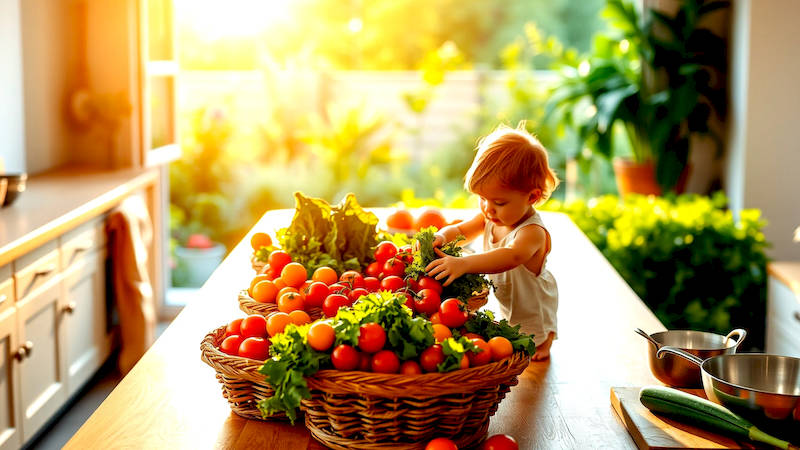
Growing up, many of us have fond memories of helping in the garden, but often those experiences are becoming less common for today’s children. In our modern world of readily available, processed foods, connecting children to the source of their nourishment is more crucial than ever. A family garden isn’t just a source of fresh produce; it’s a living classroom, a space for bonding, and a powerful tool for shaping healthy eating habits that last a lifetime. It addresses a growing concern – childhood obesity and associated health problems – in a fun, engaging, and deeply impactful way.
The benefits extend far beyond simply increasing vegetable intake. Gardening fosters responsibility, patience, and an appreciation for nature. It offers a hands-on learning experience in science, math, and even art. Moreover, when children participate in cultivating their food, they’re more likely to try new things and develop a positive relationship with healthy eating. Often, picky eaters will enthusiastically sample a tomato they grew, something they might refuse if simply placed on their plate. This initial excitement and ownership can be profoundly transformative.
This article will guide you through the process of creating and maintaining a family garden designed specifically to inspire healthy eating. We’ll cover everything from planning and preparation to involving your children and maximizing the educational and nutritional benefits. It’s not about creating a perfectly manicured garden; it's about cultivating a love of fresh food and a lifelong connection to the earth alongside your kids.
- Planning Your Family Garden: Location, Size & What to Grow
- Building & Preparing the Garden Space: From Ground to Growing
- Involving Children in Every Step: Making Gardening a Family Affair
- Harvesting & Cooking: From Garden to Table
- Dealing with Challenges: Pests, Weeds & Failures
- Beyond the Basics: Extending the Learning
- Conclusion: Cultivating a Lifetime of Healthy Habits
Planning Your Family Garden: Location, Size & What to Grow
Before you even purchase a seed packet, thoughtful planning is essential. Location is paramount. Ideally, your garden should receive at least six to eight hours of direct sunlight each day. Observe your yard throughout the day to determine the sunniest spots. Access to a water source is also crucial; lugging buckets of water across the yard isn't sustainable. Consider proximity to your house, as a garden that’s easily accessible will be more frequently tended.
The size of your garden should be realistic, especially when starting. It's better to begin small – a 4x4 foot raised bed is a great starting point – and expand gradually. Overambition can lead to overwhelm and abandonment. When choosing what to grow, involve your children in the decision-making process. Ask them what fruits and vegetables they enjoy eating, and prioritize those. Radishes, lettuce, beans, cherry tomatoes, and strawberries are all relatively easy to grow and quick to yield results, providing immediate gratification for young gardeners.
Don’t limit your choices based solely on what you currently eat. This is an opportunity to introduce your children to new varieties. Research “companion planting” – the practice of growing plants together that benefit each other. For example, planting basil near tomatoes can improve their flavor and deter pests. Furthermore, consider the season. Spring and fall are ideal for cool-weather crops, while summer is best suited for warm-weather vegetables. A quick search for your local growing zone will provide the best planting calendar for your region.
Building & Preparing the Garden Space: From Ground to Growing
Once you've chosen a location and decided what to grow, it's time to prepare the garden space. You have several options, including in-ground gardening, raised beds, and container gardening. In-ground gardening is the most traditional, but requires good soil quality. If your soil is compacted or nutrient-poor, amending it with compost and other organic matter is essential. Raised beds offer better drainage and warmer soil temperatures, making them a great choice for many gardens. Container gardening is perfect for small spaces or for families who want a more portable garden.
Preparing the soil is arguably the most important step. Remove any grass, weeds, rocks, and debris. Loosen the soil to a depth of at least 12 inches, incorporating plenty of compost. Compost provides essential nutrients and improves soil structure. Get your kids involved! Allowing them to help turn the soil (with appropriate tools for their age) will give them a sense of ownership. A simple soil test can also provide valuable information about nutrient deficiencies and pH levels, allowing you to amend the soil accordingly.
Ultimately, creating a welcoming environment is key. Consider adding garden art made by your children, creating a small seating area, or building a scarecrow together. These elements transform the garden from a chore into a fun and inviting space. “A garden isn’t just about the food; it's about the experience,” says Dr. Jane Kirby, a child development specialist specializing in outdoor learning. “It’s a sensory experience that engages children on multiple levels, fostering creativity and connection.”
Involving Children in Every Step: Making Gardening a Family Affair
The key to inspiring healthy eating through gardening isn’t just about growing the food; it’s about involving children in every step of the process. Assign age-appropriate tasks. Toddlers can help with watering (with supervision), while older children can assist with planting seeds, weeding, and harvesting. Don't expect perfection; the goal is participation and learning. Let them make mistakes – that's how they learn!
Embrace the mess! Gardening is inherently messy, and that's okay. Provide old clothes and remind children that getting dirty is part of the fun. Create a "garden journal" where children can document their observations, draw pictures of their plants, and record their progress. This encourages scientific observation and fosters a sense of pride in their accomplishments. Additionally, consider themed gardening challenges, such as growing the biggest pumpkin or the tallest sunflower.
Remember to celebrate successes. When the first vegetables are ripe, make a special meal together using the freshly harvested produce. Let your children help with the cooking process, from washing the vegetables to adding them to the dish. According to a study published in the Journal of the American Dietetic Association, children who participate in food preparation are more likely to try new foods.
Harvesting & Cooking: From Garden to Table
Harvesting is perhaps the most rewarding part of the gardening experience. Let your children take the lead in choosing ripe fruits and vegetables. Explain how to identify when a tomato is ready to pick or when a lettuce head is at its peak. The immediate connection between their efforts and the delicious, fresh food is incredibly powerful. Emphasize the difference in taste between garden-fresh produce and store-bought varieties.
Cooking with your garden harvest reinforces the connection between effort and reward. Simple recipes are best, focusing on showcasing the fresh flavors of the vegetables. A crisp garden salad, roasted vegetables with herbs, or a homemade tomato sauce are all excellent choices. Let your children help with age-appropriate tasks, such as washing vegetables, stirring ingredients, or setting the table.
Furthermore, don’t be afraid to experiment! Try different cooking methods and encourage your children to suggest new recipes. This fosters creativity and encourages them to explore different flavors and textures. “The act of cooking together transforms food from something simply consumed into a shared experience, strengthening family bonds and promoting healthy attitudes towards eating,” states registered dietitian, Sarah Miller, in her book Nourishing Families.
Dealing with Challenges: Pests, Weeds & Failures
Gardening isn’t always easy. Pests, weeds, and crop failures are inevitable. These challenges provide valuable learning opportunities. Teach your children about beneficial insects and how they help control pests. Introduce organic pest control methods, such as companion planting or using insecticidal soap. Discuss the importance of weeding and how it helps plants thrive.
Explain that not all plants will grow as expected, and that's okay. Sometimes seeds don’t germinate, or plants succumb to disease. Use these experiences as teachable moments, discussing the factors that can affect plant growth and brainstorming ways to improve success next time. Acknowledge that setbacks are part of the learning process and emphasize the importance of perseverance.
More importantly, don’t let challenges discourage you or your children. View them as opportunities for growth and learning. A resilient attitude towards gardening translates to a resilient attitude towards life. Embrace the failures as lessons, and focus on the successes. The goal isn’t a perfect garden; it’s about the journey and the lessons learned along the way.
Beyond the Basics: Extending the Learning
The benefits of a family garden can extend far beyond food production. Use the garden as a springboard for other learning activities. Research the history and origins of different fruits and vegetables. Explore the science of plant growth, discussing photosynthesis, pollination, and the role of nutrients. Connect the garden to other subjects, such as art (painting or sketching plants), math (measuring garden beds and calculating yields), and language arts (writing stories about the garden).
Consider preserving the harvest through canning, freezing, or drying. These activities teach valuable skills and allow you to enjoy the fruits (and vegetables) of your labor year-round. Involve your children in the preservation process, explaining the importance of food safety and proper techniques. “Gardening and food preservation are powerful ways to connect children to their food system and promote self-sufficiency,” notes Lisa Azzolina Rost, author of Backyard Homesteading for Beginners.
Conclusion: Cultivating a Lifetime of Healthy Habits
Creating a family garden is an investment in your children’s health and well-being. It's a space where they can learn, grow, and connect with nature. More importantly, it's a powerful tool for inspiring healthy eating habits that will last a lifetime. By involving your children in every step of the process, from planning and planting to harvesting and cooking, you empower them to take ownership of their food and develop a lifelong appreciation for fresh, nutritious produce.
The key takeaways are simple: start small, involve your children, embrace the mess, and celebrate successes. Remember, the goal isn’t a perfect garden; it’s about creating a positive and enriching experience for your family. Take the first step today – clear a small patch of land, gather some seeds, and start digging in! Your family’s health, and your connection with one another, will reap the rewards for years to come. Don't hesitate to research local gardening resources and connect with other gardening families for support and inspiration. The journey to a healthier, more connected family begins with a single seed.
Deja una respuesta