
Building a Balanced Breakfast Routine for Active Children
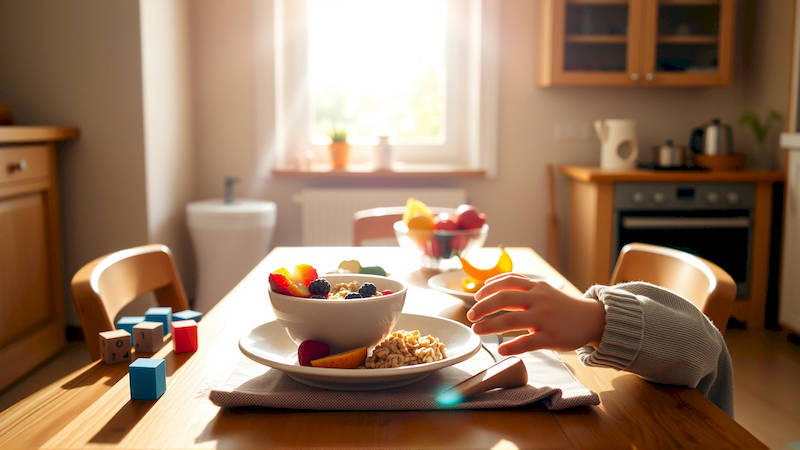
Breakfast. Often hailed as the most important meal of the day, this statement rings particularly true for active children. Their bodies and brains are rapidly developing, and their energy demands are significantly higher than those of adults. A well-planned breakfast isn’t just about filling little tummies; it’s about laying the foundation for a day of learning, playing, and healthy growth. In today’s fast-paced world, however, breakfast is often the first meal to be sacrificed due to time constraints or early morning chaos. This article delves into the vital role of a balanced breakfast for active children, providing parents with the knowledge and strategies to create a sustainable and nourishing routine. We’ll move beyond simple suggestions and explore the why and the how, ensuring your child starts their day with the fuel they need to thrive.
The impact of breakfast extends far beyond simply preventing a mid-morning energy crash. Research consistently demonstrates a strong correlation between breakfast consumption and improved cognitive function, including memory, concentration, and problem-solving skills. Children who eat breakfast tend to perform better academically, have fewer disciplinary issues, and exhibit more positive moods. For active children, the benefits are magnified, as adequate fuel supports optimal athletic performance, faster recovery times, and reduced risk of injury. Ignoring breakfast can lead to decreased physical stamina, impaired coordination, and increased susceptibility to fatigue, hindering their ability to fully participate in and enjoy their activities.
- Understanding the Nutritional Needs of Active Kids at Breakfast
- Building the Breakfast Plate: Key Food Groups and Portion Sizes
- Time-Saving Strategies for Busy Mornings
- Addressing Picky Eaters and Food Refusals
- Breakfast Ideas for Different Activity Levels
- Beyond the Plate: Creating a Positive Breakfast Environment
- Conclusion: Fueling a Bright Future, One Breakfast at a Time
Understanding the Nutritional Needs of Active Kids at Breakfast
Active children require a breakfast that’s not only sufficient in calories but also boasts a specific nutrient profile to support their increased energy expenditure and growth. Focusing solely on carbohydrates, like sugary cereals or pastries, provides a quick burst of energy followed by a significant slump. A truly balanced breakfast should incorporate a blend of macronutrients – carbohydrates, protein, and healthy fats – while also prioritizing essential vitamins and minerals. Protein is crucial for muscle repair and growth, while healthy fats contribute to brain development and sustained energy release. Complex carbohydrates, found in whole grains, fruits, and vegetables, offer a steady source of fuel without the rapid spikes in blood sugar associated with refined sugars.
Consider the specific demands of your child’s activities. A child participating in an hour of soccer practice will have different nutritional requirements than a child who primarily engages in less strenuous play. The amount of protein and complex carbohydrates should be adjusted accordingly. Furthermore, hydration is essential. Pairing breakfast with water or a milk alternative helps replenish fluids lost during sleep and prepares them for a day of activity. Don't underestimate the role of micronutrients like iron and calcium, especially for growing children involved in sports. Iron deficiency can lead to fatigue and reduced athletic performance, while calcium is vital for strong bones and teeth.
Building the Breakfast Plate: Key Food Groups and Portion Sizes
The visual representation of a balanced breakfast can be helpful, leading to the concept of “building the plate”. Imagine dividing a plate into sections: approximately half should be filled with fruits and vegetables, a quarter with whole grains, and the remaining quarter with lean protein and a source of healthy fat. For younger children (ages 4-8), portion sizes are generally smaller, focusing on around 300-400 calories. As children grow and become more active (ages 9-13), their caloric needs increase to around 400-500 calories, and for teenagers, this can climb to 600+ calories based on activity levels.
Examples of food groups and appropriate portions include: fruits (½ cup berries, a small banana, or sliced apple), whole grains (½ cup oatmeal, a slice of whole-wheat toast, or a whole-grain waffle), lean protein (1-2 eggs, a small serving of Greek yogurt, or a few tablespoons of nut butter), and healthy fats (¼ avocado, a sprinkle of seeds, or a small handful of nuts). It’s important to emphasize variety to ensure children receive a broad range of nutrients. Rotate breakfast options to avoid monotony and encourage a wider palate. Don't be afraid to incorporate leftovers from dinner – grilled chicken slices or roasted vegetables can be surprisingly welcome additions to a breakfast plate.
Time-Saving Strategies for Busy Mornings
One of the biggest obstacles to a healthy breakfast routine is a lack of time. However, with a little planning and preparation, it’s possible to overcome this challenge. Meal prepping is a game-changer. Spend a few hours on the weekend preparing elements of breakfast for the week ahead. This could involve pre-portioning oatmeal, chopping fruits, or hard-boiling eggs. Overnight oats are another excellent option – simply combine oats, milk, yogurt, and your child’s favorite toppings in a jar the night before and grab it from the fridge in the morning.
Furthermore, involve your children in the breakfast preparation process. Even young children can help with simple tasks like washing fruit or stirring ingredients. This not only saves you time but also fosters a sense of ownership and encourages them to try new foods. Streamline the process by creating a “breakfast station” with easy-to-access ingredients and self-serve options. Think about designating a specific shelf in the pantry and refrigerator for breakfast items, making it easier for your child to grab what they need. Finally, embrace quick and healthy options like smoothies – they’re a fantastic way to pack a lot of nutrients into one convenient package.
Addressing Picky Eaters and Food Refusals
Picky eating is a common struggle for many parents. When faced with a child who refuses to eat certain foods, it’s important to remain patient and avoid power struggles. Force-feeding or pressuring a child to eat can often backfire, creating negative associations with food. Instead, focus on exposing them to a variety of foods repeatedly, even if they don’t eat them right away. It can take multiple exposures (sometimes 10-15 times) before a child accepts a new food.
Present foods in fun and appealing ways. Use cookie cutters to create interesting shapes, arrange food into colorful patterns, or let your child help with plating. Sneak vegetables into unexpected places, like adding grated zucchini to pancakes or pureed spinach to smoothies. Lead by example – if your child sees you enjoying a variety of healthy foods, they’re more likely to be willing to try them too. Offer choices within healthy boundaries, such as “Do you want oatmeal or yogurt?” instead of “What do you want for breakfast?” And remember, it’s okay if they don’t eat everything on their plate. Focus on creating a positive and relaxed mealtime environment.
Breakfast Ideas for Different Activity Levels
Tailoring breakfast to your child's activity levels is essential for optimal fueling. For children with light activity (e.g., a regular school day with minimal extracurriculars), a balanced breakfast of oatmeal with berries and a handful of nuts, or whole-wheat toast with avocado and an egg, provides sustained energy. For moderately active children (e.g., one hour of sports practice), a slightly larger portion with added protein is beneficial – a Greek yogurt parfait with granola and fruit, or a whole-grain waffle with peanut butter and banana.
For highly active children (e.g., multiple sports practices, intense training sessions), a more substantial breakfast is needed. Consider a breakfast burrito filled with scrambled eggs, black beans, and a small amount of cheese, served with a side of fruit. Or, a smoothie with protein powder, fruit, spinach, and yogurt can be a quick and convenient option. A crucial element for extremely active children is timing. If they have a practice or game early in the morning, ensure they eat breakfast at least 1-2 hours beforehand to allow for proper digestion. A smaller, easily digestible snack (like a banana) can be eaten closer to the activity.
Beyond the Plate: Creating a Positive Breakfast Environment
A balanced breakfast is important, but the environment in which it’s consumed also plays a role. Establish a consistent breakfast routine, even on weekends. This helps regulate your child’s internal clock and reinforces the importance of the meal. Minimize distractions during breakfast – turn off the television, put away phones, and encourage family conversation. Create a peaceful and relaxing atmosphere where everyone can focus on enjoying their food and connecting with each other.
Furthermore, involve your child in grocery shopping and meal planning. Let them choose fruits and vegetables they want to try, and ask for their input on breakfast ideas. This empowers them to take ownership of their nutrition and fosters a positive relationship with food. Remember, breakfast isn't just about food; it's about starting the day with intention, connection, and nourishment, setting the stage for a successful and energetic day ahead.
Conclusion: Fueling a Bright Future, One Breakfast at a Time
Building a balanced breakfast routine for active children is an investment in their overall health, well-being, and future success. While the demands of daily life can make it challenging, the effort is undeniably worthwhile. By understanding their nutritional needs, embracing time-saving strategies, and addressing potential challenges with patience and creativity, parents can lay the foundation for a lifetime of healthy eating habits. Remember to prioritize a blend of macronutrients – carbohydrates, protein, and healthy fats – and incorporate a variety of fruits, vegetables, and whole grains into their meals.
The key takeaways are simple: prioritize consistent breakfast consumption, focus on nutrient density, personalize meals to activity levels, and create a positive eating environment. Start small, make gradual changes, and involve your child in the process. Consider this not a rigid rulebook but a flexible framework to adapt to your family’s unique needs and preferences. A well-nourished child is a prepared child – ready to tackle challenges, embrace opportunities, and thrive in all aspects of their lives. Take the first step today by planning a nourishing breakfast for your little adventurer and watching them flourish.
Deja una respuesta