
Top 10 Hidden Household Hazards Every Parent Should Know
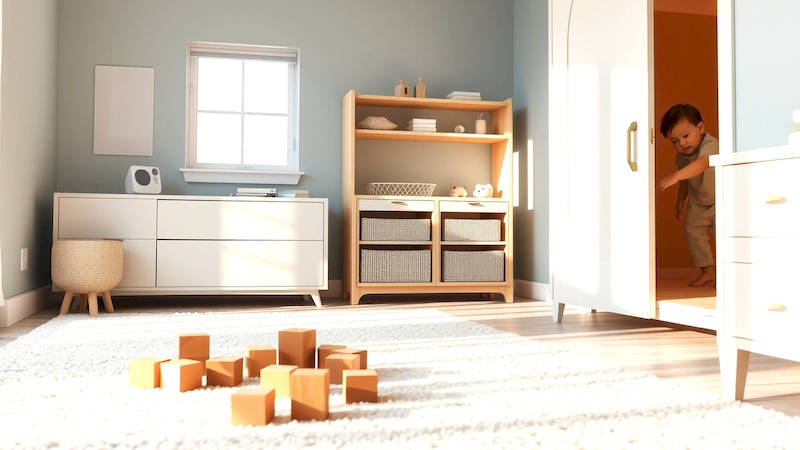
The journey of parenthood is filled with immense joy, but it also comes with a profound responsibility: ensuring the safety and well-being of your little ones. While we diligently focus on obvious dangers like electrical outlets and stair gates, numerous hidden hazards lurk within our homes, often unnoticed until it’s too late. These aren't always dramatic risks, but consistent exposure, or even a single incident, can lead to serious injuries, particularly for curious infants and toddlers who explore the world by touching, tasting, and generally getting into everything.
Understanding these less-obvious risks is paramount to creating a truly safe environment for your children. Often, preventing accidents isn’t about restricting their exploration, but about proactively modifying our surroundings. According to the Safe Kids Worldwide organization, unintentional injuries are the leading cause of death for children ages 1-19, with the majority of these happening at home. This statistic underscores the critical need for vigilant hazard assessment and mitigation.
This article delves into the top 10 hidden household hazards parents must be aware of, offering detailed explanations, actionable steps, and advice on how to protect your children from preventable accidents. We’ll move beyond basic childproofing to address subtler dangers that may be lurking right under your nose, ensuring you create a haven of safety for your growing family. We’ll also discuss the common developmental stages of children and how those impact the kinds of hazards they are most vulnerable to.
- 1. Window Blind Cords & Curtain Strings: A Strangulation Risk
- 2. Button Batteries: A Chemical Burn & Internal Damage Threat
- 3. Cleaning Supplies & Chemicals: Poisoning & Burns
- 4. Furniture Tip-Over Hazards: Crush Injuries & Fatalities
- 5. Houseplants: Toxicity & Choking Hazards
- 6. Magnets: Internal Blockages and Severe Organ Damage
- 7. Plastic Bags & Film: Suffocation Risk
- 8. Sharp Furniture Edges & Corners: Laceration Risks
- 9. Hot Liquids & Surfaces: Burns
- 10. Small Objects: Choking Hazards
1. Window Blind Cords & Curtain Strings: A Strangulation Risk
Window coverings, seemingly innocuous, are surprisingly dangerous. The cords and strings associated with blinds and curtains pose a significant strangulation hazard for babies and young children. Their natural curiosity leads them to pull, reach, and wrap cords around their necks, leading to tragic consequences. It's a risk often downplayed, but incredibly serious.
The Consumer Product Safety Commission (CPSC) reports that window covering cords are one of the top five hidden hazards in the home, responsible for numerous child fatalities each year. Children can quickly become entangled, even if the cord appears out of reach. This is particularly true as they begin to pull themselves up to standing or explore furniture near windows. The danger lies not just in the length of the cord, but also in the loop created by inner cords of blinds.
Fortunately, this hazard is easily mitigated. Install cordless window coverings whenever possible. If you have corded blinds, use cord shorteners, tie-down devices, or breakaway tassels to keep cords out of reach. Regularly inspect window coverings for loose cords and make immediate repairs or replacements. Don’t place furniture children can climb on near windows, effectively eliminating the means to reach the cords.
2. Button Batteries: A Chemical Burn & Internal Damage Threat
Button batteries, found in toys, remote controls, watches, and even musical greeting cards, represent a particularly insidious hazard. Though small, swallowing a button battery can cause incredibly severe internal chemical burns in as little as two hours. Unlike other swallowed objects, batteries can lodge in the esophagus and cause rapid tissue damage due to the electrical current.
The problem isn’t always immediate or obvious. The initial symptoms can mimic common childhood illnesses—vomiting, refusing to eat, or general discomfort. However, the damage is occurring internally, quickly escalating in severity. A recent study published in Pediatrics demonstrated a dramatic increase in button battery ingestion cases over the past decade, coinciding with the proliferation of battery-operated devices.
Prevention is crucial. Secure battery compartments of devices with screws and tape. Avoid purchasing toys or devices with easily accessible battery compartments. If a battery is swallowed, immediately take your child to the emergency room, do not induce vomiting, as this can worsen the damage. Learning CPR may be required in dire situations while awaiting medical assistance.
3. Cleaning Supplies & Chemicals: Poisoning & Burns
Cleaning products, detergents, and other household chemicals are a constant presence in most homes, but their accessibility to children can be incredibly dangerous. Ingestion, inhalation, or even skin contact can cause poisoning, chemical burns, and other serious health issues. The brightly colored packaging often attracts a child’s attention, mimicking enticing drinks or candies.
According to the American Association of Poison Control Centers (AAPCC), children under six account for the vast majority of poisonings. Even seemingly non-toxic cleaning solutions can cause gastrointestinal distress, while stronger chemicals like bleach and ammonia can lead to severe burns and respiratory problems. A frequently overlooked area is laundry detergent pods, which are particularly attractive to young children and can cause serious internal damage if swallowed.
Store all cleaning supplies and chemicals in locked cabinets or high out of reach. Never transfer chemicals to unmarked containers. When using cleaning products, ensure adequate ventilation. Know the number for your local poison control center and keep it readily available. (In the US, it's 1-800-222-1222.)
4. Furniture Tip-Over Hazards: Crush Injuries & Fatalities
Tall, unstable furniture—bookcases, dressers, televisions—can tip over, causing serious crush injuries or even fatalities. Children are particularly vulnerable as they climb and explore, using furniture for support or attempting to reach objects on higher shelves. This is a hidden danger because furniture appears stable until it’s actively subjected to force.
The CPSC estimates that a child is killed every two weeks in the United States from furniture tip-overs. Older furniture, not meeting current safety standards, is particularly dangerous. The weight distribution of items on the furniture dramatically impacts its stability. A fully loaded bookshelf is significantly more prone to tipping than an empty one.
Secure furniture to the wall using anti-tip brackets or straps. These are inexpensive and readily available at most hardware stores. Place heavier items on lower shelves and avoid placing televisions on unstable furniture. Regularly inspect furniture for loose or damaged components.
5. Houseplants: Toxicity & Choking Hazards
While houseplants add beauty and freshness to a home, many are toxic if ingested. Children, particularly toddlers, are prone to putting things in their mouths, and even a small nibble on a poisonous plant can cause nausea, vomiting, diarrhea, or more severe reactions. Beyond toxicity, some plants have thorns or irritating sap that can cause skin irritation.
Common houseplants like lilies, philodendrons, and dieffenbachia are known to be toxic to humans and pets. The severity of the reaction depends on the type of plant, the amount ingested, and the child’s age and health. It’s also important to consider the choking hazard presented by leaves and stems, especially for young children.
Identify the plants in your home and research their toxicity using resources like the ASPCA’s toxic plant database. Place poisonous plants out of reach of children and pets. Consider replacing toxic plants with non-toxic alternatives.
6. Magnets: Internal Blockages and Severe Organ Damage
High-powered magnets, increasingly common in toys and construction sets, pose a particularly grave risk when swallowed. Unlike other small objects, magnets can attract each other through intestinal walls, causing perforations, blockages, and severe internal organ damage. This often requires emergency surgery to repair.
Multiple magnet ingestion is especially dangerous, as the magnets will attract to each other through the intestinal lining, causing a vise-like grip that prevents normal digestive function and leads to tissue death. Symptoms may be delayed, making early diagnosis challenging.
Carefully inspect toys for small magnets. Keep magnets out of reach of children. If you suspect your child has swallowed a magnet, seek immediate medical attention.
7. Plastic Bags & Film: Suffocation Risk
Plastic bags, grocery sacks, dry cleaning bags, and plastic film present a suffocation hazard for babies and young children. Their playful curiosity leads them to explore these items, and they can easily become trapped inside, unable to breathe.
The lightweight and pliable nature of plastic makes it particularly dangerous. Even a seemingly small bag can completely obstruct a child’s airway. According to the U.S. Consumer Product Safety Commission data, plastic bags are responsible for approximately 25 deaths each year related to suffocation.
Store plastic bags in secure locations, out of reach of children. Never leave plastic bags unattended with children. Dispose of plastic bags immediately.
8. Sharp Furniture Edges & Corners: Laceration Risks
Sharp edges and corners on furniture, tables, and countertops can cause serious lacerations, bumps, and bruises, particularly as children become more mobile and start exploring their surroundings. While not always life-threatening, these injuries can be painful and require medical attention.
Corners of tables, the edges of shelves, and the corners of entertainment centers are areas where children are particularly vulnerable. As they begin to walk and run, they are less cautious about their surroundings and are more likely to bump into furniture.
Install edge and corner protectors on sharp furniture. Use soft padding or foam tape to cushion potentially dangerous areas. Regularly inspect furniture for sharp edges or splinters.
9. Hot Liquids & Surfaces: Burns
Hot liquids (coffee, tea, soup) and hot surfaces (stoves, ovens, irons) pose a consistent burn risk. Children have thinner skin than adults, making them more susceptible to severe burns even with brief exposure to heat.
Accidental spills, reaching for hot items, or pulling on cords attached to appliances can lead to burns. Burns can cause significant pain, scarring, and require extensive medical treatment. It’s also important to remember that steam produces serious burns very quickly.
Keep hot liquids and appliances out of reach of children. Use back burners on the stove and turn pot handles inward. Supervise children closely in the kitchen.
10. Small Objects: Choking Hazards
Small objects—coins, marbles, beads, small toy parts—are a persistent choking hazard for young children. Their natural tendency to put things in their mouths, combined with their undeveloped swallowing skills, makes them particularly vulnerable.
The American Academy of Pediatrics recommends keeping small objects out of reach of children under three years of age. Choking can happen quickly and silently, making immediate intervention crucial. Learning infant and child CPR is essential.
Regularly inspect toys for small parts that could become dislodged and pose a choking hazard. Store small objects in secure containers, out of reach of children.
In conclusion, creating a safe home environment for your children requires a proactive and comprehensive approach that extends beyond obvious hazards. By recognizing and addressing these ten hidden dangers – from window cords to button batteries and beyond – you can significantly reduce the risk of accidents and ensure your little ones can explore, learn, and grow in a secure and nurturing setting. Remember, constant vigilance, a commitment to childproofing, and staying informed about potential risks are the cornerstones of responsible parenting. Be proactive, prioritize safety, and enjoy the precious journey of parenthood with peace of mind. Don’t hesitate to utilize resources from the CPSC, Safe Kids Worldwide, and your local poison control center for further information and guidance.
Deja una respuesta