
Strategies to Encourage Kids to Try Plant-Based Foods
The modern family meal can feel like a battlefield, especially when introducing new foods. For parents hoping to incorporate more plant-based meals into their children's diets – whether for health, ethical, or environmental reasons – the challenge can feel monumental. Picky eating is common, and the prevalence of highly processed, palatable foods often overshadows the subtle flavors of vegetables, fruits, legumes, and whole grains. However, fostering a love for plant-based foods isn’t about forcing broccoli down someone’s throat; it's about gradual introduction, positive reinforcement, and understanding the psychology of a child's developing palate. This article will provide a comprehensive guide to navigating this journey, moving beyond simple tricks to establish sustainable and enjoyable plant-focused eating habits.
A significant shift towards plant-based eating is increasingly supported by research. Studies indicate that diets rich in fruits, vegetables, and whole grains are associated with a lower risk of chronic diseases like heart disease, type 2 diabetes, and certain cancers. Beyond physical health, plant-based diets can contribute to environmental sustainability, a factor that resonates with many families. But translating awareness into actual mealtime success requires a nuanced approach. It requires understanding that children's food preferences are heavily influenced by repeated exposure, parental modeling, and the emotional context of mealtimes.
- Understanding the Roots of Food Neophobia
- Making Plant-Based Foods Appealing: Presentation & Preparation
- The Power of Modeling and Family Meals
- Gradual Introduction & "Bridge" Foods
- Addressing Protein Concerns and Ensuring Nutritional Adequacy
- Beyond the Plate: Garden Involvement & Educational Opportunities
- Conclusion: Nurturing a Lifelong Love for Plants
Understanding the Roots of Food Neophobia
Food neophobia—the reluctance to try new foods—is a perfectly normal developmental stage, peaking around ages 2-6. It’s an evolutionary adaptation, theorized to have protected children from consuming potentially poisonous plants. Trying to override this instinct with pressure or rewards often backfires, leading to increased resistance and negative associations with food. Recognizing this inherent hesitancy as a natural phase, rather than a personal failing, is the first step toward a more supportive approach. This means shifting the focus from making them eat something to allowing them to explore it.
Instead of viewing mealtime as a power struggle, consider it an opportunity for exploration. A child's brain is rapidly developing, and new experiences – including food – require repeated exposure before they become accepted. “It can take 10-15 exposures to a new food before a child develops a preference for it,” explains Dr. Ellyn Satter, a registered dietitian specializing in child feeding. This doesn’t mean presenting the same food in the same way repeatedly. It is about varying the preparation, presentation, and context. Including the child in food preparation can also greatly lessen the resistance.
Finally, remember to respect the child’s internal cues of hunger and fullness. Pressuring a child to finish their plate, even if they aren’t hungry, can disrupt their natural ability to self-regulate their intake and lead to long-term issues with eating. Focus on providing a variety of healthy options and letting them choose what and how much to eat from those options.
Making Plant-Based Foods Appealing: Presentation & Preparation
Visual appeal is crucial, particularly for young children. Think about how restaurants plate food; a colorful, attractively arranged meal is far more enticing than a pile of beige. Cut vegetables into fun shapes using cookie cutters, arrange fruits into colorful patterns on a plate, or create "food faces" with different components. Dip increases appeal drastically for many children – hummus with vegetable sticks, guacamole with bell pepper strips, or a bean-based dip with whole-grain pita bread.
Preparation methods can drastically alter the flavor and texture of plant-based foods. Roasting vegetables often brings out their natural sweetness, while steaming preserves their nutrients without sacrificing all their flavor. For example, broccoli, often a disliked vegetable, can be transformed by roasting it with a touch of olive oil and garlic until it's slightly crispy. Pureeing vegetables into sauces is another sneaky, yet effective, tactic – adding butternut squash puree to macaroni and cheese or spinach puree to tomato sauce. Consider different textures too: a crunchy apple slice versus apple sauce, a soft avocado versus guacamole. Experiment with herbs and spices to add depth of flavor, but start subtly to avoid overwhelming a child’s taste buds.
Don’t underestimate the power of smoothies! Smoothies are a fantastic way to pack a lot of nutrients into a single, easily consumed drink. Combine fruits, vegetables (spinach is virtually undetectable in a fruit-based smoothie), plant-based milk, and perhaps a little nut butter for added protein and healthy fats.
The Power of Modeling and Family Meals
Children learn by observing, and parents are their primary role models. If you express disdain for vegetables or consistently opt for processed foods, it’s unlikely your child will embrace a plant-rich diet. Lead by example: consistently include plant-based foods in your meals and demonstrate enjoyment while eating them. Talk about the delicious flavors and textures, and avoid making negative comments about food.
Family meals are a cornerstone of fostering healthy eating habits. Regularly sharing meals together (aim for at least a few times a week) provides a positive and consistent eating environment. Mealtimes should be relaxed and focused on connection, rather than pressure to eat. Turn off the TV and put away electronic devices. Encourage conversation and create a sense of community around the table. This strengthens family bonds and makes mealtimes more enjoyable for everyone.
Consider making mealtimes interactive. Involve children in meal planning and preparation, even in small ways. Let them wash vegetables, stir ingredients, or set the table. This fosters a sense of ownership and increases their willingness to try what they’ve helped create.
Gradual Introduction & "Bridge" Foods
Avoid overwhelming your child with a complete dietary overhaul. Start small and introduce new plant-based foods gradually, one at a time. Begin with foods that are visually similar to those they already enjoy. For example, if your child loves chicken nuggets, consider offering breaded and baked tofu nuggets as a “bridge” food. If they enjoy yogurt, try a plant-based yogurt alternative.
The "one-bite rule" – encouraging your child to try just one bite of a new food – can be a useful starting point, but should be implemented without pressure. The goal isn’t to force them to finish the bite, but to encourage exploration. Pair new foods with familiar favorites. Serve roasted sweet potatoes alongside their preferred pasta dish, or offer a side of steamed green beans with their usual chicken. The association with enjoyable foods can make the new food more palatable.
Don't give up if a food is rejected the first time. As mentioned before, it can take multiple exposures before a child develops a preference. Keep offering it in different variations – raw, cooked, pureed, seasoned differently – until they eventually accept it. Retrying a rejected food a few weeks later can yield surprisingly different results.
Addressing Protein Concerns and Ensuring Nutritional Adequacy
One of the most common concerns parents have about plant-based diets for children is ensuring adequate protein intake. However, it’s entirely possible to meet protein needs through plant-based sources. Excellent sources include legumes (beans, lentils, chickpeas), tofu, tempeh, quinoa, nuts, and seeds. A varied plant-based diet will almost always provide sufficient protein. A study published in the Journal of the American Dietetic Association confirmed that well-planned vegetarian and vegan diets are nutritionally adequate for children.
It’s also important to consider other key nutrients, particularly vitamin B12, iron, calcium, vitamin D and omega-3 fatty acids. Vitamin B12 is typically found in animal products, so vegan children will need a reliable source, such as fortified foods or a supplement. Iron absorption from plant-based sources can be enhanced by consuming them with vitamin C-rich foods. Calcium can be found in fortified plant-based milks, tofu, and leafy green vegetables. Consulting with a registered dietitian specializing in pediatric nutrition can help ensure that your child’s dietary needs are being fully met.
Beyond the Plate: Garden Involvement & Educational Opportunities
Connecting children to the source of their food can foster a greater appreciation for healthy eating. Consider starting a small garden, even if it's just a few potted herbs or vegetables. Letting children participate in planting, watering, and harvesting can make them more interested in trying what they’ve grown.
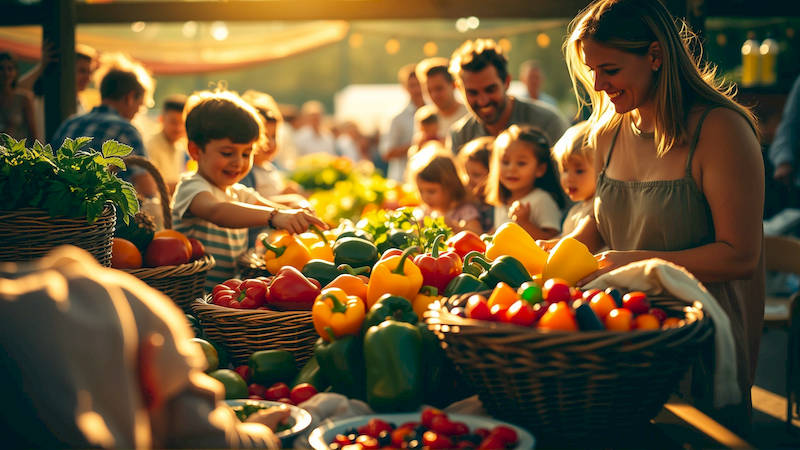
Educational opportunities also play a role. Read books about fruits and vegetables, watch documentaries about farming (age-appropriate ones, of course), or visit a local farmers' market. These experiences can broaden their understanding of food and its importance. During these outings, allow them some agency in choosing something new to try.
Conclusion: Nurturing a Lifelong Love for Plants
Encouraging children to embrace plant-based foods is a journey that requires patience, creativity, and a shift in perspective. It’s not about restriction or coercion, but about fostering a positive relationship with food and educating them about the benefits of a plant-rich diet. Remember that food neophobia is normal, and repeated exposure is key. Prioritize creating a relaxed and enjoyable mealtime environment, modeling healthy eating habits, and involving children in the process. Address any nutritional concerns proactively and don’t hesitate to consult with a registered dietitian. By focusing on these strategies, you can nurture a lifelong love for plants and set your child on a path towards a healthier and more sustainable future. The ultimate goal isn’t just to get them to eat their vegetables, but to help them grow into confident, adventurous eaters who appreciate the power of food to nourish their bodies and the planet.
Deja una respuesta