
Pet Safety and Childproofing: Creating a Safe Environment for Kids and Pets
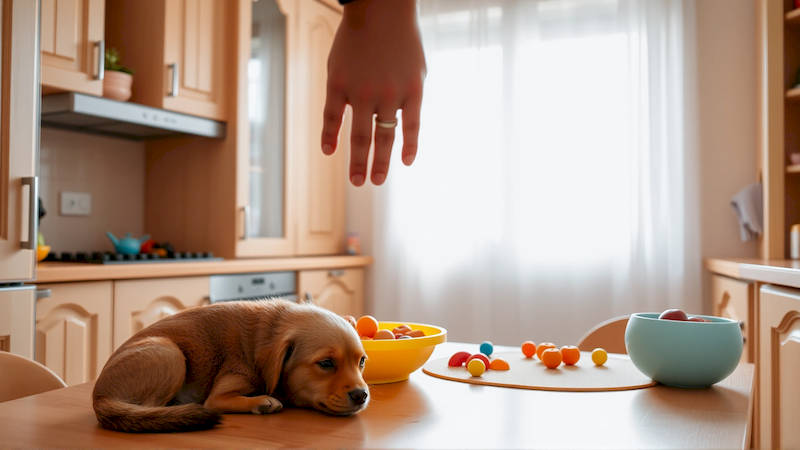
Bringing a child into a home with a beloved pet is a joyous occasion, filled with potential for heartwarming bonds and shared adventures. However, it also introduces a layer of complexity regarding safety. Both children and pets are naturally curious and, often, lack a full understanding of boundaries or potential dangers. Successfully navigating this dynamic requires proactive childproofing and pet-proofing – a combined effort to create a safe, harmonious environment for everyone. Ignoring either element can lead to injuries, anxiety, and strained relationships between children and their animal companions. This article will delve into the multifaceted world of pet and child safety, offering detailed guidance on how to prepare your home and foster a secure environment for both your little ones, whether furry, scaled, or feathered, and your human children.
The sheer number of accidental injuries involving children and pets underscores the importance of preventative measures. According to the Centers for Disease Control and Prevention (CDC), bites from dogs account for a significant portion of pediatric injuries, and even seemingly harmless interactions can lead to scratches, bumps, or allergic reactions. Similarly, pets can be injured by a child’s unintentional rough play. Focusing on preventative measures not only minimizes the risk of physical harm but also lays the foundation for respect, understanding, and a loving relationship between children and animals. It’s about educating both parties – teaching children how to interact with pets safely and managing the pet’s environment to reduce potential triggers for unwanted behaviors.
- Understanding Potential Hazards: A Two-Way Street
- Childproofing with Pets in Mind: Modifying Your Space
- Establishing Rules and Boundaries: Consistency is Key
- Supervising Interactions: Never Leave Children and Pets Unattended
- Introducing New Pets or Babies: Gradual and Controlled
- Recognizing and Responding to Emergencies: Being Prepared
- Fostering a Positive Relationship: Respect and Understanding
Understanding Potential Hazards: A Two-Way Street
The first crucial step in creating a safe environment is understanding the potential hazards from both perspectives – the child's ability to inadvertently harm a pet, and the pet’s potential to injure a child. Children, particularly toddlers, explore the world through touch and often don’t understand appropriate boundaries. They may pull on a pet's ears or tail, poke at eyes, or climb on them, regardless of the animal’s reaction. This can cause pain, fear, and a defensive response from the pet. Conversely, even the gentlest pet may react negatively if startled, in pain, or protecting its resources (food, toys, resting place).
Furthermore, underlying health conditions in pets can impact their tolerance levels. An older dog with arthritis may be more sensitive to being approached suddenly or touched in specific areas. It's vital to be aware of your pet’s individual sensitivities and communicate those to all caregivers, including babysitters or visiting family. Observing your pet’s body language – flattened ears, whale eye (showing the whites of the eyes), lip licking, stiff posture – are all early warning signs of discomfort or stress. Learning to recognize these cues is paramount in preventing potential incidents. Regularly schedule veterinary check-ups for your pet to proactively identify and manage any health concerns that could influence their behavior.
Childproofing with Pets in Mind: Modifying Your Space
Traditional childproofing methods often need adjustment when you have pets. Baby gates, for instance, can be jumped over by agile dogs or climbed by cats. Focus on sturdy gates specifically designed for pet containment, or consider using multiple, strategically placed barriers. Toxic plants, a common childproofing concern, are equally dangerous to pets. Keep all houseplants out of reach, or choose pet-safe varieties. Similarly, secure cleaning supplies, medications, and any other hazardous materials in locked cabinets, ensuring they are inaccessible to both children and pets.
Beyond the obvious hazards, consider the pet’s access to spaces. Providing the pet with a "safe haven"—a quiet, designated area like a crate or bed—where they can retreat undisturbed is crucial. This space should be off-limits to children, offering the pet a sanctuary from potential interactions when they need it. Think about rearranging furniture to limit the pet’s ability to jump onto fragile objects or access hazardous areas. For example, move bookshelves away from walls to prevent a cat from climbing and potentially knocking them over onto a child. This proactive approach of anticipating potential incidents will contribute significantly to a safer environment.
Establishing Rules and Boundaries: Consistency is Key
Clear and consistent rules are the cornerstone of a harmonious household. These rules apply to both children and pets. Teach children how to approach and interact with pets respectfully. This includes no pulling tails, no climbing on the pet, no disturbing them while they’re eating or sleeping, and always asking an adult for permission before interacting. "Gentle touches only" should be a fundamental rule for youngsters. Regularly reinforce these rules with positive reinforcement when children demonstrate appropriate behavior around the pet.
For pets, consistent training is essential. Basic obedience commands such as “leave it” and “stay” can be lifesavers in preventing unwanted behaviors. If your pet exhibits guarding behaviors with food or toys, consult with a professional dog trainer or animal behaviorist to address the issue safely and effectively. The goal isn’t to punish the pet, but to modify the behavior through positive reinforcement and desensitization techniques. Consistency is vital; everyone in the household must adhere to the same rules and boundaries to avoid confusing the pet and undermining the training efforts.
Supervising Interactions: Never Leave Children and Pets Unattended
Regardless of how well-behaved your pet is or how carefully you've childproofed, never leave young children and pets unattended. Even the most gentle animal can react unpredictably if startled or hurt. Constant supervision allows you to intervene proactively if you notice any signs of discomfort from either the child or the pet. This doesn’t mean you need to hover constantly, but rather be present and observant, ready to step in if necessary.
This supervision extends to outdoor spaces as well. If you have a fenced yard, ensure the fence is secure and that the pet cannot dig under or jump over it. Keep a close eye on children and pets during outside play, especially around water features or potential hazards like poisonous plants. Even a seemingly harmless game can quickly turn dangerous if not properly supervised. Regularly inspect your yard for potential hazards and address them promptly.
Introducing New Pets or Babies: Gradual and Controlled
Introducing a new baby or pet into the household requires a particularly careful and gradual approach. Before the arrival of the baby, allow the pet to explore the baby’s scent (e.g., a blanket or clothing item) under supervision. When the baby arrives, continue to provide the pet with plenty of attention and reassurance. Don't inadvertently punish the pet for showing curiosity towards the baby.
Controlled introductions are key. Initially, allow the pet to see and smell the baby from a distance, rewarding calm behavior. Gradually decrease the distance, always under close supervision. Never force interaction. Let the pet approach the baby at their own pace. Similarly, introduce the baby to the pet slowly, allowing the pet to sniff the baby’s feet or hands while the baby is securely held. This gradual introduction process minimizes stress for both the pet and the baby, fostering a positive association from the start. Remember to continue enriching your pet's environment with playtime and mental stimulation to avoid jealousy or behavioral issues.
Recognizing and Responding to Emergencies: Being Prepared
Despite all preventative measures, emergencies can happen. It's crucial to be prepared. Know the signs of a dog bite, including puncture wounds, redness, and swelling. If a bite occurs, seek immediate medical attention. Familiarize yourself with basic pet first aid, including how to stop bleeding, treat minor wounds, and recognize signs of heatstroke or poisoning. Having a pet first aid kit readily available is a wise precaution.
Keep the contact information for your veterinarian, the local animal hospital, and the poison control center readily accessible. Educate family members and caregivers on what to do in an emergency. A little preparation can make a significant difference in ensuring a positive outcome. Regular review of emergency procedures is also essential.
Fostering a Positive Relationship: Respect and Understanding
Ultimately, creating a safe environment for children and pets isn’t just about preventing accidents; it’s about fostering a positive and loving relationship between them. Encourage children to participate in the pet’s care, such as filling the food bowl (under supervision) or gently grooming. Teach them about the pet’s needs and how to show respect.
Model appropriate behavior yourself. Demonstrate gentle handling, positive reinforcement, and respect for the pet’s boundaries. By fostering a climate of respect and understanding, you’ll not only create a safer environment but also help your children develop empathy, responsibility, and a lifelong love for animals. Remember, a well-managed and loving environment where both children and pets feel secure is the most effective form of safety.
In conclusion, creating a safe environment for children and pets demands proactive planning, consistent rules, and vigilant supervision. By understanding potential hazards, modifying your home, establishing boundaries, and being prepared for emergencies, you can lay the foundation for a harmonious and loving household where both your little ones, human and animal, can thrive. The key takeaways are consistent training, constant supervision, gradual introductions, and a commitment to fostering respectful interactions. Your dedication to safety will ensure a happy and healthy environment for your entire family.
Deja una respuesta