
How to Introduce New Vegetables to Picky Eaters
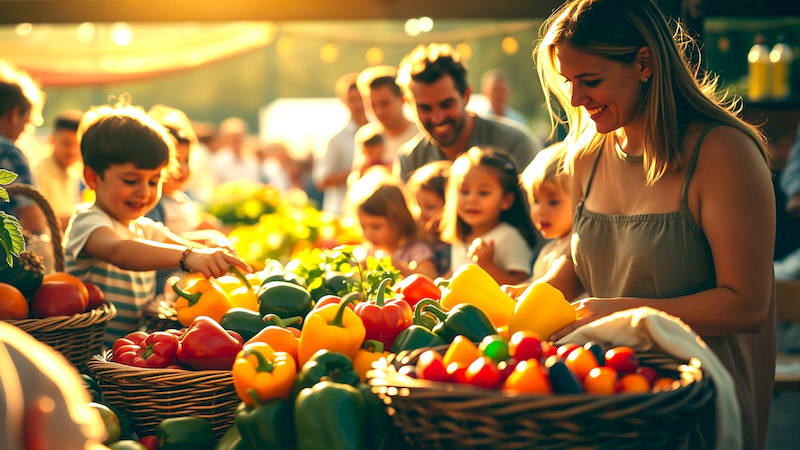
Introducing new vegetables to children can feel like an uphill battle. Many parents find themselves facing mealtime standoffs, uneaten plates, and a persistent resistance to anything green, orange, or remotely resembling a healthy vegetable. This isn’t just about stubbornness; it’s a complex interplay of evolutionary biology, developmental stages, and learned behaviors. Children are naturally predisposed to prefer sweet and starchy foods, relics of a time when those options equated to readily available energy. Overcoming this inherent preference requires patience, creativity, and a strategic approach.
The importance of establishing healthy eating habits in childhood cannot be overstated. A diet rich in vegetables provides essential vitamins, minerals, and fiber crucial for growth, development, and lifelong health. According to the CDC, only about 1 in 10 adults meet the federal recommendations for vegetable intake. This pattern often begins in childhood, highlighting the need for proactive intervention. Successfully navigating the “picky eater” phase can lay the foundation for a lifetime of nutritious choices, and a positive relationship with food.
This article provides a comprehensive guide to introducing new vegetables to picky eaters, moving beyond simple tricks and delving into the underlying psychology and practical strategies for creating lasting change. We'll explore the reasons behind food neophobia, debunk common myths, and present a step-by-step approach to help your child embrace the diverse world of vegetables.
- Understanding Food Neophobia and Picky Eating
- The Power of Repeated Exposure: The "Tiny Taste" Method
- Making Vegetables Appealing: Presentation & Preparation Techniques
- Leading by Example: The Influence of Parental Modeling
- Disguising Vegetables (Strategically) & Beyond the Plate
- Addressing Common Roadblocks & Maintaining Consistency
- Conclusion: Cultivating a Lifelong Love of Vegetables
Understanding Food Neophobia and Picky Eating
Food neophobia – the aversion to anything new – is a completely normal developmental phase, frequently peaking between ages 2-6. It’s an evolutionary adaptation; historically, being wary of unfamiliar foods protected humans from potential toxins. While frustrating for parents, recognizing this innate tendency is the first step toward a more empathetic approach. Picky eating isn’t simply about “being difficult;" it’s a natural response rooted in self-preservation and a developing sense of autonomy.
However, picky eating can extend beyond this developmental stage, influenced by factors like learned behavior, sensory sensitivities, and mealtime dynamics. If a child consistently refuses entire food groups or exhibits extreme reactions to certain textures or smells, it’s important to consult with a pediatrician or registered dietitian to rule out underlying medical conditions like sensory processing disorder. Creating a relaxed and positive mealtime environment, free from pressure and power struggles, is crucial. Avoid using food as a reward or punishment, as this can further complicate the child’s relationship with eating.
Psychologist Ellyn Satter, a renowned expert in feeding dynamics, emphasizes the "division of responsibility" in feeding. Parents are responsible for what food is offered, when it is offered, and where it is offered. Children are responsible for how much they eat, and whether they eat it at all. This framework respects the child’s autonomy and fosters a healthier attitude towards food.
The Power of Repeated Exposure: The "Tiny Taste" Method
Repeated exposure is arguably the most effective strategy for overcoming food neophobia. It takes multiple exposures – often 10-15 or more – before a child will even try a new food, let alone accept it. This doesn’t mean forcing a child to eat a full serving; it’s about gradually introducing the vegetable in small, non-threatening ways. This is where the “tiny taste” method comes into play.
The "tiny taste" approach involves offering a minuscule portion of the new vegetable alongside familiar, preferred foods. We’re talking a pea-sized amount, a single floret of broccoli, or a sliver of carrot. The goal isn’t consumption but rather familiarity and desensitization. Don’t make a big deal out of it; simply place it on the plate alongside their usual meal. It's vital to avoid any pressure to eat it. Over time, you can subtly increase the portion size. This is a slow burn, requiring incredible patience, but it is proven to work.
Consider this example: a child refuses broccoli. Instead of giving up, offer one tiny floret alongside their favorite pasta. If they don’t eat it, that's okay. Repeat this for several days, then maybe offer two tiny florets. Eventually, they may become curious enough to take a small bite. “We learned the hard way that pushing doesn’t work. It actually made things worse,” shares Sarah Miller, a mother of two who successfully expanded her children’s vegetable intake using this method.
Making Vegetables Appealing: Presentation & Preparation Techniques
Presentation matters, especially for children. Visually appealing vegetables are simply more inviting. Cut vegetables into fun shapes using cookie cutters. Arrange them in colorful patterns on the plate. Create “food art” – a broccoli tree, a carrot caterpillar, or a pepper face. These seemingly small efforts can significantly increase a child’s willingness to engage with the food.
The way vegetables are prepared is equally important. Plain steamed broccoli may not be a hit, but roasted broccoli with a sprinkle of Parmesan cheese could be a game-changer. Experiment with different cooking methods – roasting, steaming, sautéing, grilling – and various seasonings. Be mindful of textures; some children prefer crunchy vegetables, while others prefer softer ones. Pureeing vegetables into sauces or smoothies is another clever way to sneak them into a child's diet. For example, adding pureed butternut squash to mac and cheese or spinach to a fruit smoothie.
Don’t underestimate the power of dips! Pairing vegetables with healthy dips like hummus, guacamole, or yogurt-based dips can make them more palatable and fun to eat. A little bit of familiar flavor can help bridge the gap between the new and the known.
Leading by Example: The Influence of Parental Modeling
Children are incredibly observant and learn by mimicking the behavior of their parents. If you consistently express dislike for vegetables – “I hate broccoli!” – your child is likely to adopt the same attitude. Lead by example by enthusiastically enjoying a variety of vegetables yourself. Make vegetables a regular part of your own meals and talk about how much you enjoy them.
Family meals are a powerful opportunity for modeling positive eating behavior. Sit down together as a family, without distractions, and share a meal that includes vegetables. Engage in positive conversations about the food. Avoid negative comments about your own dislikes. Showing your child that you value and enjoy vegetables is one of the most effective ways to encourage them to do the same.
Furthermore, involve your child in the preparation process. Taking them grocery shopping and letting them choose a new vegetable to try, or including them in age-appropriate tasks like washing vegetables, can foster a sense of ownership and curiosity.
Disguising Vegetables (Strategically) & Beyond the Plate
While the goal is for children to eventually enjoy vegetables in their natural form, there's nothing wrong with strategically "disguising" them, particularly during the initial stages of introduction. Remember, the aim is to get them eating vegetables, even if they don’t realize it at first. Pureed vegetables can be added to sauces, soups, baked goods, and smoothies. Grated zucchini or carrots can be incorporated into muffins, bread, or meatballs.
However, it’s important to be transparent eventually. Labeling items as containing “hidden veggies” can become a frustrating tactic that backfires. As your child becomes more receptive, gradually decrease the amount of "disguising" and increase the visibility of the vegetables.
Expanding the scope beyond the plate is also crucial. Gardening, even if it’s just a small herb garden, can help children connect with where their food comes from. Reading books about vegetables or visiting a farmer’s market can further enhance their awareness and appreciation.
Addressing Common Roadblocks & Maintaining Consistency
Mealtime battles are inevitable, but remaining calm and consistent is key. Resist the urge to give in to demands for only familiar foods. Offering one new vegetable alongside preferred foods is a compromise that respects both your child’s preferences and your desire to expand their palate. If a child refuses the new vegetable, don’t force it. Simply remove it without comment.
Avoid short-order cooking, where you prepare a separate meal for your picky eater. This reinforces the behavior and sends the message that they won’t have to eat anything they don’t want. Instead, offer the same meal to everyone and encourage your child to try at least one bite.
Remember that progress is often slow and nonlinear. There will be setbacks. Don’t get discouraged. Keep offering vegetables in a variety of ways, and celebrate small victories. Even a single bite is a step in the right direction.
Conclusion: Cultivating a Lifelong Love of Vegetables
Introducing new vegetables to picky eaters is a marathon, not a sprint. It requires patience, perseverance, and a willingness to adapt your approach. Understanding the underlying reasons behind food neophobia, employing repeated exposure techniques, focusing on presentation, leading by example, and remaining consistent are all crucial components of success. The “tiny taste” method, combined with a relaxed and positive mealtime environment, provides a solid framework for gradually expanding a child’s palate.
The long-term benefits of establishing healthy eating habits in childhood are immense, extending far beyond physical health. Encouraging a positive relationship with food fosters self-confidence, promotes a sense of well-being, and lays the foundation for a lifetime of healthy choices. Don’t aim for perfection; aim for progress. Start small, stay consistent, and remember that every bite counts. The ultimate goal isn't just to get your child to eat their vegetables, but to cultivate a genuine love and appreciation for the nutritious and delicious world of plant-based foods.
Deja una respuesta