
How to handle sibling rivalry without escalating conflicts
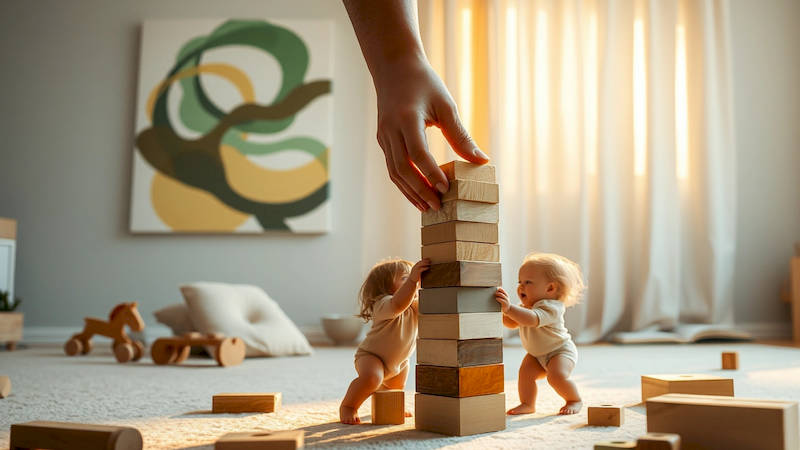
Sibling rivalry. The phrase conjures images of squabbling, accusations, and parental exasperation. It's a nearly universal experience in families with multiple children, a dynamic as old as time itself. While often dismissed as “just kids being kids,” persistent or intense sibling rivalry can have lasting effects on children's emotional well-being, self-esteem, and future relationships. Understanding the root causes of these conflicts, and equipping yourself with proactive and effective strategies, is crucial for fostering a harmonious home environment. This article will delve into the complexities of sibling rivalry, moving beyond simply stopping fights to addressing the underlying needs driving the behavior, and offering tangible tools for parents to de-escalate conflicts and cultivate a more cooperative relationship between their children.
The good news is that sibling rivalry isn't necessarily a sign of failed parenting. In fact, many experts believe it's a natural part of childhood development, providing opportunities for children to learn crucial social skills—negotiation, compromise, empathy—even as they navigate conflict. However, allowing it to spiral out of control can be detrimental. Avoiding escalation isn't about pretending disagreements don’t happen; it’s about guiding children through these inevitable conflicts in a way that fosters understanding and constructive problem-solving, rather than resentment and animosity. This requires a shift in perspective, from being the immediate referee to becoming a skilled conflict coach.
- Understanding the Roots of Sibling Rivalry: Beyond "Who Started It?"
- Proactive Strategies: Building a Foundation of Cooperation
- The Art of De-escalation: Interrupting the Conflict Cycle
- Reinforcing Positive Interactions: Catching Them Being Good
- The Role of Modeling: Leading by Example
- When to Seek Outside Help: Recognizing Persistent Patterns
- Conclusion: Fostering Connection and Resilience
Understanding the Roots of Sibling Rivalry: Beyond "Who Started It?"
A common parental instinct during a sibling squabble is to determine who instigated the conflict. However, fixating on blame is often unproductive. Sibling rivalry rarely boils down to a single cause; instead, it’s usually a complex interplay of individual temperaments, developmental stages, perceived fairness, and parental attention. Children are constantly striving for a sense of belonging, importance, and individual identity within the family system. Competition for these needs can manifest as rivalry, particularly when children perceive a scarcity of attention or resources. Younger children might act out to gain parental attention they feel they’re missing, while older siblings might resent the attention given to their younger counterparts.
Furthermore, temperament plays a significant role. Some children are naturally more sensitive, reactive, or assertive than others, influencing how they handle frustration and express their needs. A highly sensitive child might interpret a playful nudge from a sibling as aggression, triggering a disproportionate response. Developmental stages also matter. A preschooler still learning basic social skills will naturally struggle with sharing and taking turns, while a school-aged child might engage in more sophisticated forms of rivalry, involving competition for academic achievement or social status. According to Dr. Laura Markham, author of Peaceful Parent, Happy Kids, "Sibling rivalry is often a symptom of underlying stress within the family. Parents need to address their own stress and create a more nurturing environment."
Finally, the perception of fairness is paramount. Even if resources are distributed equally, children may perceive favoritism based on personality traits, individual needs, or even accidental expressions of parental preference. This perceived inequity can fuel resentment and escalate conflict. Understanding these underlying dynamics is the first step to addressing sibling rivalry effectively.
Proactive Strategies: Building a Foundation of Cooperation
Instead of solely reacting to conflicts as they arise, a proactive approach can significantly reduce their frequency and intensity. This involves creating a family environment that minimizes triggers for rivalry and fosters positive interactions. One crucial element is dedicated one-on-one time with each child. This doesn't need to be grand gestures; even 15-20 minutes of focused attention, engaging in an activity the child enjoys, can make a huge difference. It reinforces their sense of individual worth and reduces the perceived need to compete for parental attention. Regularly scheduling this “special time” demonstrates that each child is valued and important, independent of their siblings.
Another proactive strategy is to emphasize cooperation over competition. Frame family activities as opportunities for collaboration rather than challenges to be won. For instance, instead of a race to see who can tidy up their room fastest, turn it into a team effort to get the whole house organized. Actively praise cooperative behavior: “I noticed how you two worked together to build that tower! That was excellent teamwork!” Focus on effort and improvement rather than solely on outcomes, encouraging children to support each other’s progress. Author Adele Faber and Elaine Mazlish, in their book Sibling Rivalry, suggest "avoid comparing your children to each other. Each child is unique and deserves to be celebrated for their individual strengths."
The Art of De-escalation: Interrupting the Conflict Cycle
When a conflict does erupt, your immediate response is critical. Avoid automatically jumping in to assign blame or determine “who started it.” Instead, focus on interrupting the escalation. A simple, calm statement like, “Okay, that sounds frustrating. Let’s take a break to cool down,” can be surprisingly effective. Separate the children, not as punishment, but to give them space to regulate their emotions. Avoid forcing them to apologize immediately, as this often feels insincere and can exacerbate the conflict.
Once the immediate heat of the moment has subsided, facilitate a conversation focusing on feelings and needs, rather than accusations. Ask each child to describe what happened from their perspective, using "I" statements. ("I feel angry when my toys are taken without asking" rather than "You always steal my toys!") Help them identify what they were feeling (e.g., frustrated, angry, sad) and what they needed (e.g., space, attention, a specific toy). This teaches emotional literacy and encourages empathy. When guiding the conversation, refrain from offering solutions immediately; instead, guide them to brainstorm possible solutions themselves. This empowers them to take ownership of resolving their conflicts.
Reinforcing Positive Interactions: Catching Them Being Good
It’s easy to get caught up in addressing negative behaviors, but consciously focusing on and reinforcing positive interactions is equally important. Actively look for moments when your children are playing cooperatively, sharing, or showing kindness towards each other. Specifically acknowledge and praise these behaviors. “I noticed how you shared your crayons with your brother. That was very generous of you!” or “I appreciate how you helped your sister when she was struggling with her puzzle.” Specific praise is far more effective than generic statements like “Good job!”.
This positive reinforcement doesn’t just benefit the children involved in the positive interaction; it also sends a message to all siblings about the behaviors you value. It creates a ripple effect, encouraging more cooperative play and reducing the likelihood of conflict. Consider establishing a “family gratitude” practice, where each day, family members share something they appreciate about each other. This builds connection and fosters a more positive family dynamic.
The Role of Modeling: Leading by Example
Children learn by observing, and your own behavior significantly influences how they handle conflict. If you consistently resort to yelling, blaming, or aggressive communication, your children will likely internalize those patterns. Instead, model healthy conflict resolution skills yourself. When you and your partner disagree, demonstrate respectful communication, active listening, and a willingness to compromise.
Furthermore, be mindful of how you speak about your own siblings or other family members. Negative or critical comments can normalize unhealthy relationship dynamics. Showcase positive relationships in your own life; talk about the importance of forgiveness, understanding, and maintaining strong bonds. This provides your children with a powerful example of how to navigate conflict with empathy and respect.
When to Seek Outside Help: Recognizing Persistent Patterns
While sibling rivalry is common, it's important to recognize when it's escalating to a point where professional intervention is needed. If the conflict is constant, intense, and causing significant emotional distress for your children or family, consider seeking support from a family therapist or counselor. Red flags include physical aggression, persistent bullying, or a pattern of one child being consistently targeted and isolated.
A therapist can provide an objective perspective, help identify underlying issues contributing to the rivalry, and teach all family members effective communication and conflict resolution skills. They can also help address any individual emotional needs that may be exacerbating the conflict. Don’t hesitate to reach out for help—it's a sign of strength, not weakness, to prioritize the well-being of your family.
Conclusion: Fostering Connection and Resilience
Sibling rivalry is an inevitable part of family life, but it doesn't have to be a constant source of stress and conflict. By understanding the underlying causes, implementing proactive strategies to build cooperation, mastering de-escalation techniques, and consistently reinforcing positive interactions, you can create a more harmonious home environment. Remember that the goal isn't to eliminate conflict entirely, but to equip your children with the skills they need to navigate disagreements constructively, develop empathy, and build strong, lasting relationships.
The key takeaway is to shift your focus from simply stopping fights to fostering connection and teaching essential life skills. Prioritize dedicated one-on-one time with each child, encourage cooperation over competition, model healthy conflict resolution, and be patient and consistent in your approach. Ultimately, navigating sibling rivalry effectively isn't just about resolving conflicts—it's about building a foundation of resilience and fostering a loving, supportive family where each child feels valued and respected. Implement one proactive strategy this week, such as scheduling dedicated time with each child. Observe if that small change begins to reduce tension and strengthen your relationships.
Deja una respuesta