
How to Create a Toddler-Friendly Play Space for Optimal Growth
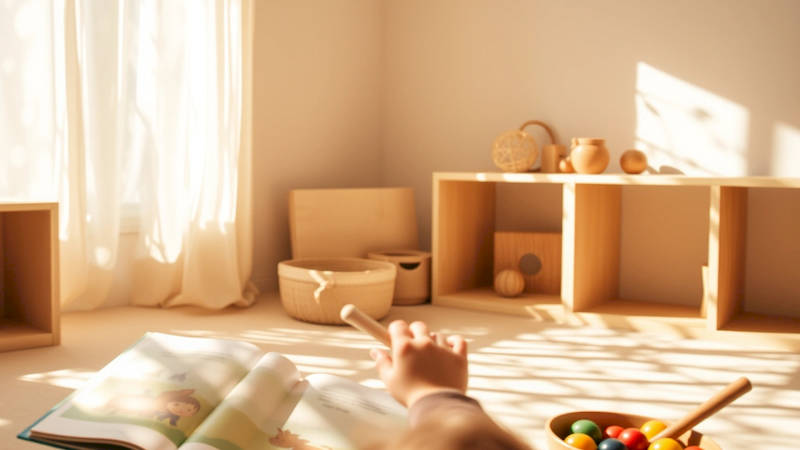
Toddlerhood is a period of explosive growth – physically, cognitively, socially, and emotionally. During these formative years (typically between 1 and 3 years old), children learn through exploration, experimentation, and play. A thoughtfully designed play space isn’t simply a place to keep your toddler occupied; it's a crucial environment that directly supports their development, fostering creativity, problem-solving skills, independence, and a lifelong love of learning. A well-conceived play area can mitigate frustration, encourage positive behavior, and provide a safe haven for your child to explore their burgeoning world. It's an investment in their future, and a little planning can go a long way.
However, ‘toddler-friendly’ doesn’t necessarily mean a room overflowing with expensive toys. In fact, too many stimulating options can be overwhelming for a young child. The key is to create a space that is safe, engaging, adaptable, and intentionally designed to meet their specific developmental needs. This article will delve into the principles of designing such a space, offering practical advice and actionable steps to transform a corner of your home into a powerful learning laboratory for your little one. We’ll move beyond simply suggesting toys and delve into the why behind the recommendations, grounding the advice in developmental milestones.
- Prioritizing Safety: A Non-Negotiable Foundation
- Cultivating Zones for Diverse Play: Supporting Holistic Development
- Encouraging Gross Motor Skills: Movement is Mastery
- Fostering Fine Motor Skills: The Foundation for Independence
- The Power of Open-Ended Toys: Fueling Imagination and Creativity
- Organization and Accessibility: Empowering Independence
- Adapting the Space as Your Toddler Grows: Long-Term Functionality
- Conclusion: Building a Foundation for Lifelong Learning
Prioritizing Safety: A Non-Negotiable Foundation
Safety is paramount when designing any space for a toddler. Their developing motor skills and natural curiosity mean they are constantly testing boundaries and exploring their environment in ways we might not anticipate. The first step is a thorough ‘toddler-proofing’ sweep, looking at the space from a child's perspective – crawling, reaching, and pulling. This includes securing furniture to walls to prevent tipping, covering sharp corners with corner protectors, and ensuring electrical outlets are covered. Consider the floor surface; a soft rug or playmat can cushion falls and provide a comfortable space for play.
Beyond the obvious physical hazards, consider the toxicity of materials. Opt for non-toxic paints, furniture finishes, and play materials. Check labels carefully and prioritize natural materials like wood and cotton whenever possible. Remember that toddlers explore with their mouths, so anything within reach is a potential ingestion hazard. “According to the American Academy of Pediatrics, choking is a leading cause of injury and death among children, especially those under four years old,” highlighting the vital importance of selecting age-appropriate toys and regularly inspecting the play area for small parts. Even seemingly innocuous items like balloons can pose a choking risk, so cautious supervision is always necessary.
Finally, establish clear boundaries within the play space. While exploration is encouraged, a defined area helps toddlers understand the limits and fosters a sense of security. This could be as simple as a rug defining the play zone or the use of a playpen for supervised containment, especially during times when constant supervision isn't possible. Regularly reassess the safety of the space as your toddler grows and develops new abilities.
Cultivating Zones for Diverse Play: Supporting Holistic Development
Rather than a single chaotic pile of toys, aim to create distinct ‘zones’ within your play space to encourage different types of play. These zones should be clearly defined, even if it's simply through the use of different flooring or organization techniques. A ‘construction zone’ with blocks, building sets, and large cardboard boxes encourages spatial reasoning, problem-solving, and fine motor skill development. A ‘creative zone’ equipped with art supplies like crayons, paints (non-toxic, of course!), playdough, and paper fosters imagination, self-expression, and creativity.
Alongside these active areas, a ‘quiet zone’ is equally important. This could be a cozy corner with a comfortable chair, soft cushions, and a collection of board books. The quiet zone provides a sanctuary for independent play, reading, and calming down. This zone is critical for fostering a love of reading and promoting emotional regulation. A well-rounded play space acknowledges that toddlers develop across multiple domains – cognitive, physical, social-emotional, and creative – and provides opportunities to nurture each one. Think about rotating the toys within each zone periodically to maintain interest and prevent boredom. Consider what your child naturally gravitates towards and tailor the zones accordingly.
Encouraging Gross Motor Skills: Movement is Mastery
Toddlerhood is a period of rapid physical development. Their gross motor skills – the ability to use large muscle groups – are developing rapidly, and they are constantly testing their limits. The play space should actively encourage movement and physical activity. This doesn’t necessarily require a large space; even a small corner can be transformed into a mini-obstacle course. Soft climbing structures, tunnels, low slides, and ride-on toys are excellent options.
Simple activities like throwing and catching soft balls, pushing and pulling toys, and dancing to music also contribute to gross motor skill development. “Research from the National Association for Sport and Physical Education shows that active play is essential for developing coordination, balance, and strength in young children," emphasizing the importance of integrating movement into the play space. Ensure the area is free of obstacles and that the flooring provides adequate traction to prevent slips and falls. Avoid furniture that restricts movement and prioritize open space for running, jumping, and exploring.
Fostering Fine Motor Skills: The Foundation for Independence
While gross motor skills are essential, fine motor skills – the ability to use small muscles in the hands and fingers – are equally important. These skills are foundational for tasks like writing, buttoning clothes, and self-feeding. Incorporate activities that challenge and refine these skills into the play space. Puzzles, building blocks, lacing beads, stacking cups, and shape sorters are all excellent choices. Art supplies like crayons, paintbrushes, and playdough help develop hand-eye coordination and strengthen the muscles in the hands.
Consider providing a variety of textures and materials to stimulate tactile exploration. For example, a sensory bin filled with dried beans, rice, or pasta (under close supervision) can be a fantastic way to engage their senses and refine fine motor skills. As your toddler becomes more proficient, introduce slightly more challenging activities to continue pushing their development. This could involve moving from large-piece puzzles to smaller ones, or from chunky crayons to thinner ones.
The Power of Open-Ended Toys: Fueling Imagination and Creativity
In a world saturated with battery-operated, pre-programmed toys, the power of open-ended toys is often overlooked. These are toys that don't have a specific purpose or predetermined way to play with them. Blocks, wooden sticks, scarves, loose parts, and cardboard boxes fall into this category. They require children to use their imagination and creativity to develop their own games and scenarios. A simple cardboard box can become a car, a house, a spaceship, or anything else a toddler can dream up.
Open-ended toys encourage problem-solving, critical thinking, and social interaction. They allow toddlers to explore their own ideas and develop their individuality. They also tend to have a longer play lifespan than toys that quickly lose their novelty. “Children learn best through play, and open-ended toys are particularly effective because they allow children to be the directors of their own learning,” states Dr. Laura Markham, a parenting expert and author.
Organization and Accessibility: Empowering Independence
A well-organized play space is not only aesthetically pleasing but also crucial for fostering independence and encouraging sustained play. Toys should be easily accessible to your toddler, ideally at their eye level. Use low shelves, open bins, and clear containers to store toys and materials. Label the containers with pictures or words to help your toddler learn to identify and put away their toys.
Rotate toys regularly to keep the space fresh and engaging. This also helps prevent overwhelm and encourages your toddler to appreciate the toys they have. A consistent clean-up routine is also essential. Involve your toddler in the clean-up process from a young age, making it a fun and collaborative activity. This teaches them responsibility and respect for their belongings. By creating an organized and accessible play space, you empower your toddler to take ownership of their environment and engage in independent play.
Adapting the Space as Your Toddler Grows: Long-Term Functionality
Remember, a play space isn’t static. It needs to evolve alongside your toddler’s developmental milestones. What worked well at 18 months might not be suitable at 24 months. Regularly reassess the play space and make adjustments as needed. This might involve replacing toys, rearranging furniture, or introducing new activities. As your toddler gains new skills and interests, the play space should reflect those changes.
For example, as they become more interested in pretend play, you might add a play kitchen, a dollhouse, or a set of dress-up clothes. As their physical skills improve, you might introduce a more challenging climbing structure or a balance beam. Being flexible and adaptable ensures that the play space remains engaging and supportive of your toddler’s ongoing development.
Conclusion: Building a Foundation for Lifelong Learning
Creating a toddler-friendly play space is more than just decorating a room; it’s about intentionally designing an environment that fosters growth, learning, and development. Prioritizing safety, cultivating diverse play zones, encouraging both gross and fine motor skills, embracing open-ended toys, and maintaining a well-organized space are all crucial elements. Remember that the best play space is one that is tailored to your child's individual needs and interests.
The key takeaways from this guide are to prioritize safety above all else, create a variety of zones to encourage diverse types of play, incorporate activities that challenge both gross and fine motor skills, and provide open-ended toys that fuel imagination. Most importantly, remember to be flexible and adapt the space as your toddler grows and develops. By investing time and effort into creating a thoughtfully designed play space, you are investing in your child’s future, fostering a love of learning, and laying the foundation for a lifelong journey of exploration and discovery. Regularly observe your child during play – what captivates their attention, where they struggle, and what brings them joy – and use these observations to refine and optimize the space further. A dynamic and responsive play space is the greatest gift you can offer your growing toddler.
Deja una respuesta