
How to Create a Safe and Comfortable Newborn Sleeping Environment
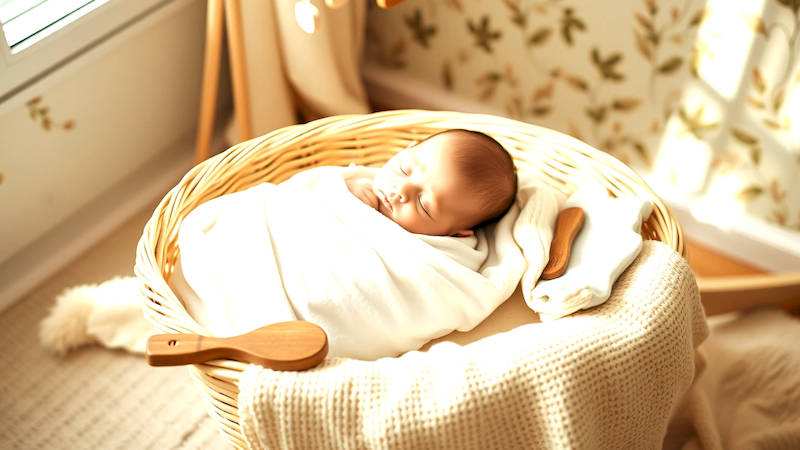
Bringing a new baby home is a joyous occasion, but it also comes with a significant responsibility: ensuring their safety and well-being. Amongst all the concerns, creating a safe and comfortable sleeping environment for your newborn is paramount. Sleep is crucial for a baby’s development – impacting everything from brain growth to immune function. A well-prepared sleep space minimizes risks like Sudden Infant Death Syndrome (SIDS) and promotes restful nights for both baby and parents. This article will delve into the specifics of crafting that sanctuary, covering everything from room temperature and bedding to sleep position and ongoing safety checks. We’ll move beyond simple recommendations and explore the why behind them, empowering you with the knowledge to make informed decisions.
The initial months are characterized by rapid growth and development, and consistent, quality sleep is the foundation for it all. Understanding the subtle nuances of newborn sleep – the differences between sleep cycles, wake windows, and typical habits – will also help you navigate this new chapter confidently. It's crucial to remember that this isn't about achieving perfect sleep immediately; it’s about establishing a consistent, safe, and soothing environment that allows your baby to thrive. As the American Academy of Pediatrics (AAP) emphasize, “a safe sleep environment is one of the most important things parents can do to lower the risk of SIDS.”
- The Foundation: Room Sharing vs. Rooming In and Room Temperature
- Crib and Bassinet Essentials: Mattress, Sheets, and Placement
- The Back to Sleep Rule: Positioning and Safe Sleep Practices
- Minimizing the Risk of Overheating: Clothing and Ventilation
- Addressing Common Concerns: Reflux, Gas, and Sleep Regression
- Ongoing Safety Checks and Creating a Consistent Routine
- Conclusion: Prioritizing Safety and Peace of Mind
The Foundation: Room Sharing vs. Rooming In and Room Temperature
The debate between room-sharing and rooming-in is a common one for new parents. Room-sharing, where the baby sleeps in a crib or bassinet in the parents’ room, is actively recommended by the AAP for at least the first six months, ideally for the first year. This practice has been shown to reduce the risk of SIDS by as much as 50%. The proximity allows for easier feeding, comforting, and monitoring of the baby, while still establishing a separate sleep space. Rooming-in, where the baby sleeps in the same bed as parents, is not recommended due to the increased risk of suffocation, accidental rolling, and entrapment.
However, it’s important to acknowledge that room-sharing isn’t feasible for every family. Cultural practices, space constraints, or personal preferences can influence this decision. If room-sharing isn't possible, ensuring a very close proximity (e.g., the next room over) and diligent adherence to all other safe sleep guidelines is especially important. Furthermore, a consistent bedtime routine can compensate for not being in the same room, fostering a sense of calm and predictability for the baby.
Beyond proximity, maintaining a comfortable room temperature is vital. Experts recommend a room temperature between 68-72°F (20-22°C). Overheating is a significant risk factor for SIDS. Regularly check the baby's temperature (feeling the back of the neck or chest, not the hands and feet) to ensure they aren't too warm. A comfortable baby is less likely to wake frequently due to discomfort, contributing to longer stretches of sleep.
Crib and Bassinet Essentials: Mattress, Sheets, and Placement
The crib or bassinet is the centerpiece of the newborn’s sleep environment. A firm, flat mattress is non-negotiable. Soft mattresses, even those marketed for infants, can increase the risk of suffocation by allowing the baby's face to sink into the bedding. The mattress should fit snugly within the crib or bassinet frame, leaving no gaps where a baby could become trapped.
Fitted sheets are the only bedding allowed in the crib or bassinet. Avoid loose blankets, quilts, sheepskins, or bumper pads, as these pose a significant suffocation hazard. A sleep sack or wearable blanket is a safe and effective alternative to keep the baby warm without the risks associated with loose bedding. Many parents are tempted to decorate the crib, but resist the urge! Toys, pillows, and other decorative items should be completely absent from the sleep space until the baby is at least 12 months old. This is consistent with the AAP guidelines highlighting the need for a bare sleep environment.
Placement of the crib or bassinet is also crucial. It should be positioned away from windows, cords, and curtains – anything that could pose a strangulation or entanglement risk. Avoid placing it near radiators or direct sunlight, as these can lead to overheating.
The Back to Sleep Rule: Positioning and Safe Sleep Practices
Perhaps the most critical component of a safe sleep environment is always placing the baby on their back to sleep. This recommendation stemmed from extensive research demonstrating a dramatic reduction in SIDS rates following the widespread adoption of the “Back to Sleep” campaign in the 1990s. While some babies may briefly roll onto their stomachs, always begin each sleep period with the baby on their back.
Tummy time is essential for development, but should always be supervised and occur when the baby is awake. Avoid devices marketed to keep babies on their backs, as these haven’t been proven effective and may even pose a risk. Sideline sleeping is also not recommended, as babies can easily roll onto their stomachs from this position. It’s understandably anxiety-inducing for new parents to worry about their baby choking, but medical professionals continually emphasize that healthy babies are capable of clearing their own airways.
Furthermore, avoid using infant car seats, swings, or bouncers for routine sleep. These devices position the baby in a semi-seated position, which can compromise their airway and increase the risk of suffocation.
Minimizing the Risk of Overheating: Clothing and Ventilation
As previously mentioned, overheating is a significant risk factor for SIDS. Dress your baby in light clothing appropriate for the room temperature. Avoid overdressing – a good rule of thumb is to dress the baby in one layer more than you would wear yourself. Check the baby regularly for signs of overheating, such as sweating, damp hair, flushed cheeks, or rapid breathing.
Proper ventilation is also crucial. Ensure the room is adequately ventilated, but avoid creating a direct draft on the baby. A fan can be used to circulate air, but should not be pointed directly at the baby. Pay attention to the materials of the baby’s clothing and bedding. Breathable fabrics like cotton are preferable to synthetic materials, which can trap heat. A case study published in the Journal of Pediatrics documented several instances of SIDS linked to overheating in babies dressed in multiple layers in poorly ventilated rooms.
Addressing Common Concerns: Reflux, Gas, and Sleep Regression
Reflux and gas are common concerns for newborns, and parents often try to adjust the sleep environment to alleviate discomfort. While slightly elevating the head of the mattress may be recommended by a pediatrician if the baby has severe reflux, it's crucial to follow their guidance carefully. Avoid using wedges or rolled-up towels, as these can create an unsafe sleep surface.
Sleep regressions – periods where a baby’s sleep patterns temporarily worsen – are a normal part of development. These regressions are often linked to growth spurts or developmental milestones. Resist the urge to drastically change the sleep environment during a sleep regression. Maintaining consistency is key to helping the baby readjust. Instead, focus on reinforcing good sleep habits and providing extra comfort and reassurance.
It's also important to distinguish between typical newborn sleep patterns (which are often fragmented) and underlying medical conditions. If you have concerns about your baby’s sleep, consult with your pediatrician.
Ongoing Safety Checks and Creating a Consistent Routine
Creating a safe sleep environment isn't a one-time task; it requires ongoing diligence. Regularly check the crib or bassinet for any loose parts, broken slats, or potential hazards. Ensure the fitted sheet remains securely in place. Re-evaluate the room temperature and ventilation regularly, adjusting as needed.
Establishing a consistent bedtime routine is equally important. A calming routine can signal to the baby that it’s time to sleep, promoting relaxation and making it easier to fall asleep. This routine might include a warm bath, a gentle massage, a story, or quiet singing. Consistency is key – perform the routine in the same order each night, and in a consistent location. A predictable routine creates a sense of security and can dramatically improve sleep quality for both baby and parents.
Conclusion: Prioritizing Safety and Peace of Mind
Creating a safe and comfortable newborn sleeping environment is a fundamental aspect of responsible parenting. It’s about minimizing risks, promoting healthy sleep, and ensuring your baby’s wellbeing. By adhering to the guidelines provided by the AAP – emphasizing back sleeping, a firm and flat mattress, a bare crib, and room-sharing – you can significantly reduce the risk of SIDS and create a sanctuary where your baby can rest and thrive.
Remember that consistency and vigilance are vital. Regularly assess the sleep environment, adapt to your baby’s changing needs, and don't hesitate to seek guidance from your pediatrician. The initial months can be challenging, but prioritizing sleep safety will bring you peace of mind knowing you've done everything you can to protect your little one. The simple act of creating a safe space is one of the most profound gifts you can give your newborn, laying the foundation for a lifetime of healthy sleep and development.
Deja una respuesta