
Easy Homemade Lunchbox Recipes Kids Will Love
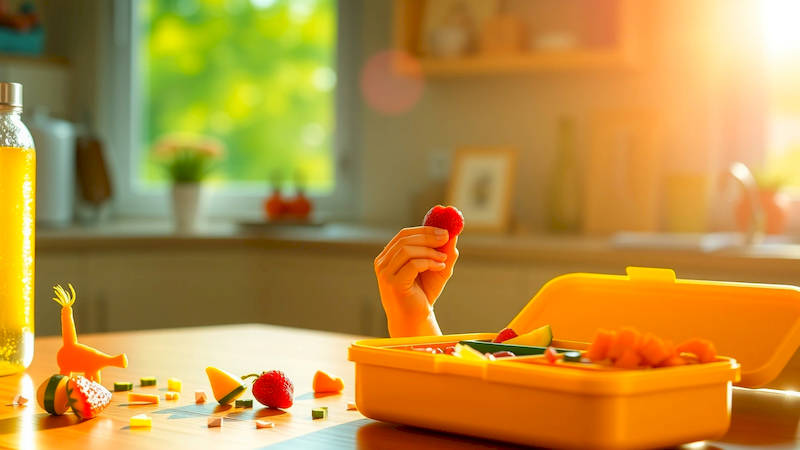
Packing a school lunch can feel like a daily battle. Between picky eaters, time constraints, and the pressure to provide nutritious meals, it's easy to fall back on pre-packaged snacks and less-than-ideal options. However, a homemade lunch doesn’t have to be complicated or time-consuming. In fact, with a little planning and some creative recipes, you can create lunchboxes that your kids will actually enjoy while ensuring they receive the nourishment they need to thrive. This article will delve into simple, yet delightfully appealing, lunchbox recipes, offering practical tips, addressing common challenges, and empowering you to become a lunchbox pro. Packed lunches also present a fantastic opportunity to instill healthy eating habits that will last a lifetime.
The benefits of a homemade lunch extend far beyond nutrition. They offer significant cost savings compared to buying school lunches or pre-packaged options. According to a study by the USDA, the average cost of a school lunch in the 2023-2024 school year is around $3.75, while a comparable homemade lunch can often be made for $2 or less. Moreover, homemade lunches allow you to control ingredients, cater to allergies or dietary restrictions, and teach children about mindful eating and where their food comes from. They are a fantastic way to subtly introduce new foods and flavors in a non-pressured setting.
This is not about creating gourmet masterpieces every day. The objective here is consistency and a practical approach. We will focus on recipes that are quick, easy to prepare, and utilize ingredients that are readily available. We’ll also address strategies for involving children in the lunch-packing process, making it a fun and collaborative activity rather than a chore. Let's transform lunchtime from a source of stress into a moment of connection and nourishment.
- The Power of Protein: Building Blocks for Brain & Body
- Grain Game Strong: Beyond the Basic Sandwich
- Fruit & Veggie Power: Making Them Irresistible
- Deconstructing the Meal: The Bento Box Approach
- Hydration Station: Drinks & Thirst Quenchers
- Beyond the Basics: Treats & Considerations
- Conclusion: Empowering Lunchbox Success
The Power of Protein: Building Blocks for Brain & Body
Protein is essential for growth and development, providing sustained energy throughout the school day. Including a good source of protein in your child's lunchbox will help them stay focused and alert. Forget the image of dry turkey slices; protein can be incorporated in delightfully varied ways. Simple additions such as pre-cooked chicken pieces, hard-boiled eggs, or even a handful of edamame can make a substantial difference.
Instead of relying solely on lunch meat, consider creating mini chicken skewers with grapes and cheese cubes. These are visually appealing and fun to eat, instantly improving appeal. You can also make a quick chickpea salad sandwich – mash chickpeas with a little avocado, lemon juice, and seasonings for a plant-based alternative. Aim for around 20-25 grams of protein per lunch for school-aged children, adjusting based on their size and activity levels. The benefit of protein is the feeling of fullness it provides, reducing the urge for sugary snacks later in the day.
A case study conducted by the National Institutes of Health demonstrated that children who consumed a higher protein breakfast and lunch reported fewer instances of afternoon energy crashes and improved concentration levels in the classroom. Beyond meat and dairy, explore options like Greek yogurt (low in sugar!), cheese sticks, sunflower seed butter, or even a small portion of lentils or quinoa salad.
Grain Game Strong: Beyond the Basic Sandwich
Many lunchboxes heavily rely on the traditional sandwich, and while there’s nothing inherently wrong with that, variety is key to keeping things interesting – and ensuring a well-rounded diet. Diversify your grain game by thinking beyond sliced bread and exploring alternatives like whole-wheat pita pockets, quinoa salad, or even leftover pasta. These offer a change in texture and flavor that can entice even the pickiest eaters.
Whole-wheat pita pockets can be filled with hummus and sliced vegetables, or shredded chicken and a light Greek yogurt-based sauce. Quinoa salad, packed with protein and fiber, can be customized with diced cucumbers, tomatoes, and a lemon vinaigrette. Leftover pasta (whole wheat is best) can be turned into a cold pasta salad with chopped veggies and a light dressing. Remember to portion control grains as they are still sources of carbohydrate.
A common parental concern is finding whole-grain options that kids will actually enjoy. Start by gradually transitioning to whole-wheat bread, mixing it with white bread initially if necessary. Experiment with different whole-grain pasta shapes – some are more appealing to children than others. Pre-packaged whole-grain crackers paired with cheese or hummus are also a convenient and healthy option.
Fruit & Veggie Power: Making Them Irresistible
Getting kids to eat their fruits and vegetables is a constant challenge for many parents. The trick is to make them appealing and easy to eat. Pre-cut vegetables like carrot sticks, cucumber slices, and bell pepper strips are more likely to be consumed than a whole carrot. Pairing them with a healthy dip like hummus or guacamole also encourages consumption. A small container of ranch dressing is fine in moderation as a reward for trying.
Presentation matters. Arrange fruits and veggies in a colorful and creative way, using cookie cutters to create fun shapes, or simply layering them in a clear container. Pre-portioning is also important – kids are more likely to eat what’s placed in front of them. Instead of sending a full apple, consider sliced apples with a sprinkle of cinnamon to prevent browning (and add a touch of sweetness!). Berries are always a hit, and cherry tomatoes are a fun, bite-sized option.
A study published in the Journal of the American Dietetic Association found that children who were exposed to fruits and vegetables multiple times were more likely to accept them. Don’t give up if your child rejects a vegetable the first time – continue to offer it in different ways. Sneaking pureed vegetables into sauces or muffins is also a clever tactic!
Deconstructing the Meal: The Bento Box Approach
The Bento Box approach to lunch packing centers around providing small, visually appealing portions of various foods in a compartmentalized lunchbox. This method is particularly effective for picky eaters as it allows them to choose what they want to eat and control their portions. It also encourages variety and makes lunchtime more fun.
Instead of a sandwich, offer a small portion of protein (e.g., chicken nuggets), a side of whole-grain crackers, some sliced veggies with hummus, a handful of berries, and a small treat. The key is to create a visually appealing and balanced mix of colors and textures. Bento boxes are also great for leftovers! You can repurpose dinner ingredients into a fun and portable lunch. The beauty of this method is that it minimizes food waste – kids are more likely to eat what they’ve chosen and there's less pressure to clean a plate.
Consider using silicone muffin liners inside the bento box compartments to separate different foods and prevent them from touching, a common aversion for some children. Remember to pack a small ice pack to keep everything cool and fresh.
Hydration Station: Drinks & Thirst Quenchers
Water should be the primary beverage in your child's lunchbox. Avoid sugary drinks like juice and soda which contribute to empty calories and can lead to tooth decay. Infused water – water with slices of fruit or cucumber – is a flavorful and healthy alternative.
If your child isn't fond of plain water, try adding a squeeze of lemon or lime juice. Sparkling water is another option, but choose varieties without added sugar. Small, reusable water bottles are ideal for packing in lunchboxes. Avoid sending large bottles as they can be bulky and difficult for children to manage.
Experts at the American Academy of Pediatrics recommend that children drink water throughout the day to stay hydrated and maintain optimal cognitive function. Proper hydration is particularly important during physical activity.
Beyond the Basics: Treats & Considerations
While it’s important to focus on healthy options, incorporating an occasional treat can make lunchbox more appealing. A small piece of dark chocolate, a handful of trail mix, or a homemade cookie can satisfy a sweet craving without derailing your healthy eating goals. Portion control is key!
Remember to consider any allergies or dietary restrictions your child may have. Always read food labels carefully and avoid sending foods that contain allergens. Communicate with your child's school and teacher to ensure they are aware of any allergies and have a plan in place. Before committing to a full week of lunches, always test new recipes or ingredients at home to monitor for any adverse reactions.
Conclusion: Empowering Lunchbox Success
Packing healthy, appealing lunchboxes doesn't have to be a stressful chore. By focusing on protein, whole grains, fruits, and vegetables, and employing strategies like the Bento Box approach, you can create lunches that your children will love while nurturing their health and well-being. Remember to involve your children in the lunch packing process to encourage ownership and positive eating habits. A little planning and creativity can go a long way in turning lunchtime into a moment of connection and nourishment.
The key takeaways are consistency, variety, and practicality. Don't aim for perfection; start small and gradually incorporate new ideas. Embrace leftovers, experiment with different flavors, and make it fun! Actionable next steps include creating a weekly lunch menu, stocking your pantry with healthy staples, and involving your child in grocery shopping. By prioritizing healthy lunchboxes, you're investing in your child's future health and setting them up for success – both in the classroom and beyond.
Deja una respuesta