Using Art Classes to Develop Fine Motor Skills and Creativity
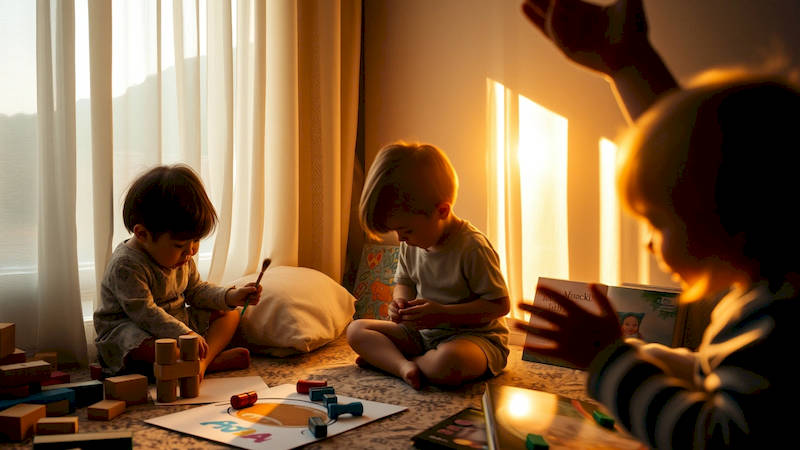
The modern educational landscape often prioritizes STEM subjects, leaving creative pursuits like art feeling like “extras.” However, dismissing art as simply enjoyable overlooks its profound impact on a child’s overall development. Beyond self-expression, art classes are powerful tools for building essential fine motor skills, nurturing creativity, and fostering cognitive growth. These benefits extend far beyond the art studio, positively influencing academic performance, problem-solving abilities, and even emotional well-being. This article will delve into the multifaceted ways art classes contribute to a child’s holistic development, offering parents practical guidance on selecting the right classes and maximizing their impact.
In a world increasingly reliant on digital interaction, the opportunity to engage in tactile, hands-on activities becomes even more valuable. Early childhood development hinges on the refinement of fine motor skills – the coordination between small muscles, typically in the hands and fingers. These skills are foundational for tasks like writing, buttoning clothes, and using tools. Art provides a natural, engaging platform for building this crucial dexterity, offering a welcome counterbalance to screen time and promoting a sense of accomplishment. Moreover, participation in art encourages children to think critically, explore different perspectives, and develop a sense of self-confidence.
- The Intricate Link Between Art and Fine Motor Skill Development
- Unleashing Creativity: Beyond Following Instructions
- Choosing the Right Art Class: Age, Medium, and Philosophy
- Integrating Art at Home: Extending the Benefits
- Addressing Common Concerns and Counterarguments
- The Long-Term Impact: Beyond the Canvas
The Intricate Link Between Art and Fine Motor Skill Development
Fine motor skills aren’t innate; they’re developed through consistent practice. Art classes provide that consistent practice in a playful, motivating environment. Consider the simple act of holding a crayon – it requires the coordinated effort of several muscles in the hand and wrist. Progressing to more complex tools like paintbrushes, sculpting clay, or even cutting with scissors, all incrementally challenge and refine these skills. Each medium demands different levels of control and precision, fostering a well-rounded development of dexterity and hand-eye coordination. "The development of fine motor skills is inextricably linked to cognitive development," states Dr. Jane Healy, an educational psychologist and author of Endangered Minds. "Activities that engage the hands also stimulate the brain, creating neural pathways essential for learning."
The benefits aren't limited to pre-schoolers. Elementary-age children continuing with art can develop more refined skills relating to detail, control and precision, qualities applicable to handwriting, science experiments, and even musical instrument practice. Furthermore, art projects often require planning and sequential steps, fostering executive function skills like organization and sustained attention. Activities like weaving, detailed drawing and painting refine these processes as the child progresses. It’s about more than just creating a beautiful picture; it's about building the foundational skills needed for success in many areas of life.
A practical example demonstrating this is stopping a child from being frustrated when learning to write. If a child consistently attends art classes where they work with paints, clay or other materials, the muscles in their hands and fingers are regularly being exercised. This makes learning to form letters more manageable and less overwhelming, improving their confidence and reducing potential frustration.
Unleashing Creativity: Beyond Following Instructions
While building fine motor skills is a significant benefit, the true power of art lies in its ability to foster creativity. Art classes aren't simply about reproducing what the instructor demonstrates; they're about experimenting, innovating, and finding one’s own unique voice. a good art class encourages children to explore different materials, techniques, and concepts, prompting them to think outside the box and arrive at original solutions. This process of exploration is crucial for developing divergent thinking – the ability to generate multiple ideas in response to a single prompt.
This fosters resilience and a growth mindset. Not every artwork will be a masterpiece, and that's okay. The learning comes from experimentation and understanding how things don't work as much as from success. A supportive art environment allows children to view “mistakes” not as failures, but as opportunities for learning and adaptation. They learn to embrace the process, rather than fixating solely on the outcome. Providing positive reinforcement for effort, exploration, and unique expression—rather than just judging the end product—is crucial.
Consider the 'scribble art' exercises often introduced in early art classes. These aren't about creating recognizable images; they're about allowing children to freely explore mark-making, colour, and texture, without constraints. From these foundational explorations, a child can develop a sense of ownership over their creations.
Choosing the Right Art Class: Age, Medium, and Philosophy
Not all art classes are created equal. Selecting the right class depends significantly on your child’s age, interests, and learning style. For toddlers and preschoolers, focus on unstructured experiences that allow for sensory exploration and free expression, such as finger painting, playdough sculpting, and large-scale drawing. These classes should emphasize the process of creating, rather than achieving a specific outcome. Look for programs that prioritize open-ended exploration.
As children enter elementary school, you can introduce more structured classes that focus on specific techniques and mediums, such as watercolour painting, drawing, pottery, or digital art. Consider your child's expressed interests. Do they love the tactile experience of clay? Are they fascinated by vibrant colors? Choosing a medium aligned with their natural curiosity will increase their engagement and motivation. It's also worth investigating the class's overall philosophy. Does the instructor emphasize technical skill, creative exploration, or a combination of both? A good instructor will strike a balance between these elements, providing guidance and instruction while still fostering individual expression.
Beyond formal classes, consider workshops or specialty programs focused on specific art forms, like cartooning, anime, or origami. These can provide concentrated learning experiences and cater to niche interests. A crucial factor is also class size. Smaller class sizes permit more personalized attention from the instructor, enabling them to cater to individual skill levels and learning styles.
Integrating Art at Home: Extending the Benefits
The benefits of art classes don’t have to be confined to the classroom. Parents can actively support their child’s creative development by integrating art into their home life. This doesn't require expensive supplies or elaborate projects. Simple activities like providing a dedicated art space, offering a variety of art materials (crayons, markers, paint, paper, clay, recycled materials), and encouraging free drawing and painting can make a significant difference.
Regular "art challenges" – asking your child to create something based on a theme or prompt—can spark their imagination and encourage experimentation. For younger children, reading books about artists and art can expose them to different styles and techniques. Visiting art museums and galleries can also be incredibly inspiring – but remember to focus on discussing what your child sees and feels, rather than dictating what they should appreciate.
More importantly, be a creative role model yourself. If your children see you enjoying artistic pursuits, they are more likely to develop their own. It’s about creating a home environment that values creativity, experimentation, and self-expression. Offering positive reinforcement and displaying their artwork prominently reinforces their sense of accomplishment and encourages continued exploration.
Addressing Common Concerns and Counterarguments
Some parents worry that art classes will detract from time spent on "more important" subjects like math and science. However, research suggests that art actually enhances performance in these areas. As mentioned previously, the fine motor skills and cognitive processes developed through art are transferable to other disciplines. Moreover, art fosters critical thinking, problem-solving, and visual literacy – all essential skills for success in the 21st century.
Other parents may feel their child "isn't artistic." However, creativity isn’t a fixed trait; it's a skill that can be developed through practice and encouragement. Every child possesses a unique creative potential; it’s a matter of providing them with the opportunities and support to unlock it. The goal isn’t to produce a future Michelangelo, but to foster a lifelong love of learning, self-expression, and creative problem-solving.
The Long-Term Impact: Beyond the Canvas
The benefits of art education extend far beyond childhood. Individuals with a strong artistic background tend to be more innovative, adaptable, and resourceful – qualities highly valued in today’s rapidly changing world. Art fosters resilience, encouraging individuals to embrace challenges, overcome setbacks, and persevere in the face of adversity. It’s also a powerful tool for emotional expression and self-discovery, promoting a greater sense of well-being and self-awareness.
Furthermore, an appreciation for art cultivates cultural understanding and empathy, broadening perspectives and fostering a deeper connection to the world around us. While the immediate benefits of art classes – enhanced fine motor skills and increased creativity – are clear, the long-term impact on a child’s personal and professional life can be truly transformative. Investing in your child’s artistic development is an investment in their future.
In conclusion, art classes offer a wealth of benefits that extend far beyond the creation of aesthetically pleasing works. They are instrumental in developing essential fine motor skills, nurturing creativity, fostering cognitive growth, and promoting emotional well-being. By carefully selecting the right classes, integrating art into home life, and addressing potential concerns, parents can empower their children to unlock their creative potential and reap the lifelong rewards of an arts-rich education. The key takeaways are consistent engagement, focusing on the process over the product, and providing a safe and supportive environment for exploration. Encourage your child to pick up a crayon, a paintbrush, or a lump of clay – you might be surprised at what they create, and the skills they develop along the way.
Deja una respuesta