How to Use Storytelling to Enhance Early Childhood Language Development
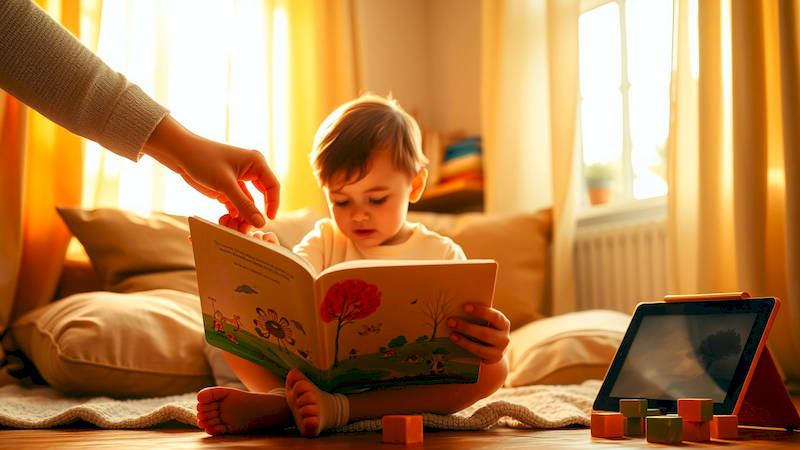
Storytelling is arguably the most ancient and effective form of education, predating written language itself. In today’s rapidly changing world, where screens often compete for a child’s attention, the art of storytelling feels more vital than ever. Beyond mere entertainment, sharing stories with young children is a powerful tool for fostering language development, cognitive growth, emotional intelligence, and a lifelong love of learning. This isn't simply about reading to a child; it’s about creating a shared narrative experience that actively engages them in the process of language acquisition.
Early childhood, spanning from birth to age five, represents a critical period for brain development and language acquisition. These years lay the foundation for future academic success, social-emotional well-being, and overall cognitive capacity. Engaging children in rich language experiences – and storytelling provides arguably the richest of all – can significantly impact their ability to understand, express, and communicate effectively. Ignoring this opportunity means potentially hindering a child’s foundational development in crucial ways.
This article will delve into the science-backed benefits of storytelling for early language development and provide parents and educators with practical strategies to harness its power. We’ll explore how to select stories, adapt storytelling techniques for different ages, and incorporate storytelling into everyday routines to maximize its impact on a child’s linguistic growth. Ultimately, we aim to empower you to transform storytelling from a pleasant pastime into a dynamic learning experience.
- The Neurological Basis: Why Stories “Stick” in Young Minds
- Selecting Stories: Age-Appropriateness and Linguistic Richness
- Storytelling Techniques: Beyond Reading the Words
- Integrating Storytelling into Daily Routines
- Addressing Language Delays and Supporting Multilingual Learners
- The Role of Digital Storytelling & Finding Balance
- Conclusion: Weaving a Future with Words
The Neurological Basis: Why Stories “Stick” in Young Minds
The impact of storytelling isn’t anecdotal; it's rooted in how the brain processes information. When we listen to a story, our brains light up. Neuroimaging studies illustrate that storytelling activates multiple brain regions, including those responsible for language, sensory processing, and emotional response. Crucially, stories activate the brain's "reward system" – releasing dopamine which enhances memory and learning. This means information presented narratively is far more likely to be retained than facts presented in isolation.
This phenomenon is particularly pronounced in young children. Their brains are rapidly forming neural connections, and the repetitive patterns, rhyme, rhythm, and emotional cues inherent in stories strengthen these connections. Stories also create mental imagery, forcing the brain to actively construct meaning, rather than passively receiving it. Furthermore, research indicates that exposure to a rich vocabulary within a narrative context allows children to understand word meaning more effectively than through direct definition. A study by the National Early Literacy Panel (NELP) demonstrated a strong correlation between shared reading (a form of storytelling) and emergent literacy skills, including vocabulary and narrative comprehension.
The brain craves patterns and connections. Storytelling provides this in abundance, making the learning process not just effective, but enjoyable. By framing information within a narrative, we make it relatable, memorable, and meaningful – essential ingredients for lasting language acquisition.
Selecting Stories: Age-Appropriateness and Linguistic Richness
Choosing the right story is paramount to maximizing its developmental benefits. Age-appropriateness is the first consideration. Infants benefit from simple board books with high-contrast images and repetitive phrases. Toddlers thrive on stories with predictable patterns, rhyming text, and engaging illustrations depicting familiar objects and experiences. As children approach preschool age, they can handle more complex narratives with a clear beginning, middle, and end, as well as characters they can empathize with.
However, age-appropriateness shouldn't come at the expense of linguistic richness. Look for books that expose children to a diverse vocabulary, varied sentence structures, and descriptive language. Avoid overly simplistic text that offers little linguistic challenge. Introduce figurative language, such as metaphors and similes, appropriate to their developing understanding. For example, instead of saying, “The dog was happy,” try, “The dog’s tail wagged like a metronome, showing how happy he was.” This introduces novel vocabulary and a comparative concept.
Consider the cultural relevance and inclusivity of the stories you choose. Representing diverse characters and experiences not only broadens a child’s worldview but also validates their own identity and experiences. Biased or stereotypical narratives can unintentionally reinforce harmful biases and limit a child’s understanding of the world.
Storytelling Techniques: Beyond Reading the Words
Storytelling isn't merely reading a story; it’s performing it. Engaging children actively requires intentional techniques. Vary your vocal tone, use different voices for different characters, and incorporate expressive facial expressions and gestures. Pause at key moments to build suspense or ask open-ended questions like, “What do you think will happen next?” or “How do you think the character is feeling?”.
Encourage participation! Ask children to predict what will happen, retell portions of the story in their own words, or even act out scenes. Extend the story by creating alternative endings, exploring the motivations of characters, or imagining what happened before the story began. Consider using props or puppets to bring the story to life. Furthermore, adapt the story to suit the child's attention span and interests; don't hesitate to pause, elaborate, or simplify as needed.
A powerful technique is "shared reading," where you explicitly point out elements of language – for example, "Notice how the author used the word 'gigantic’ to describe the bear. That means very, very big!". This makes the learning process conscious and accelerates language acquisition.
Integrating Storytelling into Daily Routines
Storytelling doesn’t need to be confined to designated “story time”. Incorporate it into everyday moments. Narrate your actions as you go about daily tasks, such as, “Now I’m taking the red apple, and I’m going to wash it carefully before we eat it.” Turn everyday experiences into stories: "Remember when we went to the park today? We saw a fluffy white dog and a little girl building a magnificent sandcastle!"
Mealtime, bath time, and bedtime are all opportune moments for sharing stories. Create a "story basket" filled with picture books and props readily accessible to children. Encourage children to create their own stories through drawing, dictating, or using play materials. A child building with blocks can be narrating a story about their creation: "This is a castle for a brave knight, and that tower is where he keeps his treasure!"
Family storytelling traditions, like sharing memories or recounting anecdotes, are also highly valuable. Modeling storytelling behavior demonstrates its importance and encourages children to develop their own narrative skills.
Addressing Language Delays and Supporting Multilingual Learners
Storytelling can be particularly beneficial for children experiencing language delays. Focus on shorter, simpler stories with repetitive phrasing. Expand on the child’s attempts at communication, modeling correct grammar and vocabulary. For example, if a child says, “Dog bark!” you can respond with, “Yes, the dog is barking! He’s barking very loudly.”
For multilingual learners, storytelling can provide a supportive context for language acquisition. Start with stories in the child’s native language to build confidence and comprehension, then gradually introduce stories in the target language. Utilize visual aids and gestures to reinforce meaning. Encourage the child to compare and contrast stories in different languages. The visual and emotional context of a story can help bridge the gap between languages and accelerate the learning process. Remember to consult with a speech-language pathologist if you have concerns about your child's language development.
The Role of Digital Storytelling & Finding Balance
While traditional storytelling remains paramount, digital storytelling tools can offer supplementary benefits. Interactive ebooks, animated stories, and educational apps can engage children in new ways. However, it's crucial to exercise caution and prioritize quality over quantity. Choose apps and ebooks that are age-appropriate, educationally sound, and encourage active participation.
The key is balance. Digital storytelling should complement traditional storytelling, not replace it. The one-on-one interaction and emotional connection fostered through shared reading and storytelling with a caregiver are irreplaceable. Excessive screen time can hinder language development and social-emotional growth, so it's essential to set boundaries and prioritize face-to-face interactions.
Conclusion: Weaving a Future with Words
Storytelling is more than just a delightful activity; it’s a fundamental building block for early childhood language development and overall cognitive growth. By understanding the neurological basis of storytelling, carefully selecting age-appropriate narratives, employing engaging storytelling techniques, and seamlessly integrating it into daily routines, parents and educators can unlock a child’s linguistic potential and foster a lifelong love of learning.
Remember, the power of narrative lies not in the complexity of the story, but in the connection it creates. The shared experience, the emotional resonance, and the opportunities for interaction are what truly drive language acquisition and lay the foundation for a future filled with words, ideas, and imagination. Start today, pick up a book, and begin weaving a brighter future for your child – one story at a time.
Deja una respuesta