Top Multicultural Children’s Books to Boost Language Skills at Home
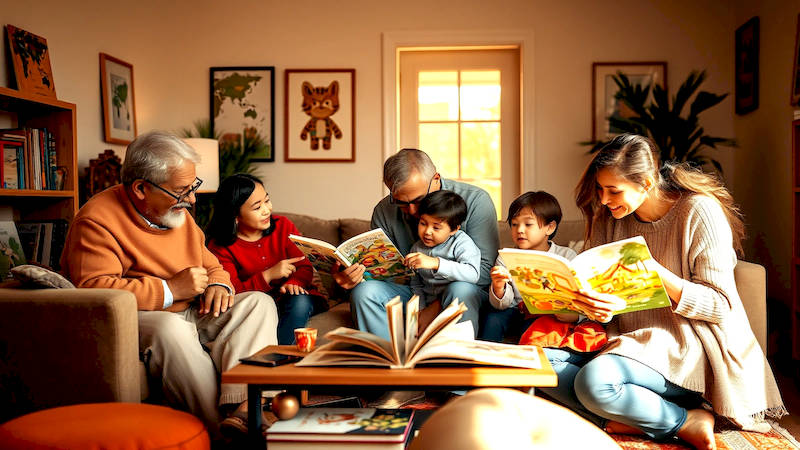
In today's increasingly interconnected world, raising children with an appreciation for diversity and a foundation in multiple languages is more important than ever. Bilingualism and multicultural awareness aren't just academic advantages; they foster empathy, cognitive flexibility, and a broader understanding of the human experience. However, integrating these values into daily life can feel daunting for parents. Thankfully, a powerful and enjoyable tool exists: children’s literature. Multicultural children’s books offer a window into different cultures, providing authentic representations and sparking meaningful conversations. More importantly, they naturally expose children to new vocabulary, linguistic structures, and the sheer beauty of linguistic diversity, strengthening language skills in both their native tongue and any languages they are learning.
The benefits extend far beyond language acquisition. Exposure to diverse narratives combats stereotypes, promotes inclusivity, and equips children with the critical thinking skills needed to navigate a complex world. According to a study by the Cooperative Children's Book Center at the University of Wisconsin-Madison, children who see themselves reflected in literature develop greater self-esteem and a stronger sense of identity. Conversely, children from majority backgrounds benefit from learning about different experiences, fostering empathy and reducing prejudice. Choosing the right books, however, is crucial. This article will delve into a curated selection of multicultural children’s books, categorized by age and language-boosting potential, alongside strategies for maximizing their impact at home.
- The Power of Bilingual Picture Books for Early Language Learners (Ages 2-5)
- Exploring Folktales & Mythology: Language Acquisition Through Storytelling (Ages 4-7)
- Chapter Books & Early Readers with Diverse Perspectives (Ages 6-9)
- Non-Fiction: Expanding Knowledge & Academic Language (Ages 7-10)
- Utilizing eBooks and Audiobooks: Technology as an Ally
- Creating a Language-Rich Home Environment: Beyond the Books
- Finding Authentic and Respectful Representation: A Critical Approach
The Power of Bilingual Picture Books for Early Language Learners (Ages 2-5)
For the youngest learners, the focus should be on creating positive associations with language and building a strong vocabulary base. Bilingual picture books are exceptionally effective in this regard. These aren’t simply translations; they often present concepts in two languages simultaneously, allowing children to intuitively grasp meaning through context and repetition. Look for books with vibrant illustrations that support the text and tell a story even without the words. Books like “Llama Llama Red Pajama” translated into Spanish (“Llama Llama Rojo Pijama”) provides a familiar story that children can connect to in both languages, reinforcing concepts and expanding their linguistic repertoire.
A key advantage of bilingual books is their ability to support simultaneous language acquisition. Research suggests that children exposed to two languages from birth (or very early childhood) develop native-like pronunciation and grammatical competence. Don’t feel pressured to be fluent in the second language! Reading aloud with enthusiasm, even with a slightly imperfect accent, is far more important. Focus on creating a fun, interactive experience, pointing to pictures, and repeating key words. Consider using digital resources alongside the books; many bilingual books now come with audio recordings of native speakers, further enhancing pronunciation.
Consider also books specifically focused on introducing cultural elements. "Abuela" by Arthur Dorros, presents counting in both English and Spanish while beautifully portraying a grandmother-granddaughter relationship and elements of Latin American culture. This approach merges language learning with cultural appreciation, creating a holistic learning experience. Moreover, the repetition inherent in counting books aids in vocabulary retention and language pattern recognition.
Exploring Folktales & Mythology: Language Acquisition Through Storytelling (Ages 4-7)
As children enter preschool and early elementary school, their cognitive abilities develop, allowing them to engage with more complex narratives. Folktales and myths from around the world are fantastic resources for enriching language skills and introducing cultural diversity. These stories often feature rich language, vivid imagery, and recurring themes that aid comprehension and retention. "Anansi the Spider" tales from West Africa, for instance, offer a wealth of exciting stories filled with clever wordplay and moral lessons. They provide opportunities to discuss themes like trickery, justice, and community.
The unique linguistic structures found within these tales provide a subtle but powerful learning opportunity. Each culture has its distinct way of phrasing ideas, and exposure to these variations expands a child's understanding of how language can be used creatively. Supplement the reading experience with discussions about the story’s origins, the cultural context, and the meanings behind the symbols and characters. Ask questions like, “Why do you think Anansi behaved this way?” or “What does this story tell us about the values of this culture?” Furthermore, encourage children to retell the story in their own words, promoting fluency and narrative skills.
Another excellent example is “Lon Po Po: A Red-Riding Hood Story from China” translated by Ed Young. This familiar story, presented with distinct Chinese cultural elements, not only fosters comprehension but also introduces children to the beauty of Chinese storytelling traditions while simultaneously expanding their vocabulary and understanding of narrative structure.
Chapter Books & Early Readers with Diverse Perspectives (Ages 6-9)
Transitioning to chapter books and early readers offers new challenges and opportunities. Finding books that reflect diverse characters and experiences is crucial during this stage, as children are forming their identities and developing their understanding of the world. Books like “Front Desk” by Kelly Yang, which tells the story of a Chinese-American girl managing a motel with her parents, provide firsthand perspectives on cultural identity, immigration, and social justice. This type of narrative not only enhances reading comprehension and vocabulary but also fosters empathy and critical thinking.
Utilizing these books to build language skills requires a slightly different approach. Encourage children to keep a "word collector" journal where they write down new or unfamiliar words they encounter. Discuss the meanings of these words in context and challenge them to use them in their own writing and conversations. Additionally, “Front Desk” allows inspiring discussions on the challenges immigrants face and how to build strength in a new environment, encouraging thoughtful and constructive conversations.
The “Ramona Quimby” series by Beverly Cleary, while not explicitly multicultural in every story, often touches upon themes of adapting to new situations and interacting with people from different backgrounds. This series provides a relatable and engaging context for discussing diversity and inclusion.
Non-Fiction: Expanding Knowledge & Academic Language (Ages 7-10)
Don’t overlook the power of non-fiction books! Well-written non-fiction provides opportunities to learn about different cultures, histories, and scientific concepts, while also expanding academic vocabulary. Biographies of influential figures from diverse backgrounds, like “Hidden Figures: The True Story of Four Black Women and the Space Race” by Margot Lee Shetterly (adapted for younger readers), are particularly effective. These books expose children to sophisticated language, complex ideas, and inspiring role models.
When using non-fiction to enhance language skills, focus on note-taking and summarizing. Encourage children to take notes while reading, identifying key information and unfamiliar vocabulary. Then, challenge them to summarize the material in their own words, either verbally or in writing. This process reinforces comprehension, promotes critical thinking, and strengthens writing skills. For “Hidden Figures,” a follow-up activity might be researching other unsung heroes in STEM fields, broadening their knowledge base and reinforcing research skills.
Books focusing on specific countries or cultures provide equally valuable opportunities. Selecting a book about Japan, for example, and supplementing it with related activities – learning basic Japanese phrases, trying origami, or cooking Japanese food – creates an immersive learning experience that reinforces vocabulary and cultural understanding.
Utilizing eBooks and Audiobooks: Technology as an Ally
Technology can be a powerful tool for supporting language learning and multicultural education. eBooks often offer features like built-in dictionaries, text-to-speech functionality, and interactive elements that enhance comprehension. Audiobooks, on the other hand, expose children to correct pronunciation and intonation, helping them develop their listening skills. Many libraries now offer free access to a wide range of eBooks and audiobooks.
Look for digital resources that offer multilingual support. Some apps and websites allow children to read the same book in multiple languages, making it easy to compare and contrast different linguistic structures. Additionally, explore online resources like Storyline Online, which features actors reading children’s books aloud, providing engaging and accessible content. Integrating these digital resources into your reading routine makes language learning more interactive and accessible.
Creating a Language-Rich Home Environment: Beyond the Books
While multicultural books are essential, they are most effective when integrated into a broader language-rich environment. Make it a habit to read aloud regularly, even after children learn to read independently. Label objects around the house in multiple languages. Play language-based games like “I Spy” or “Twenty Questions” in both English and another language. And most importantly, create opportunities for children to interact with native speakers, whether through playdates, cultural events, or online language exchange programs.
Remember, the goal isn’t just to teach children another language; it’s to foster a lifelong love of learning and an appreciation for diversity.
Finding Authentic and Respectful Representation: A Critical Approach
It’s crucial to approach multicultural literature with a critical eye. Ensure the books you choose offer authentic representations of cultures, avoiding stereotypes or simplistic portrayals. Look for books written by authors from the cultures they depict. The We Need Diverse Books campaign (www.weneeddiversebooks.org) is an excellent resource for finding high-quality multicultural literature.
Before introducing a book, do some research about the culture it depicts. Discuss with your child the importance of treating all cultures with respect and avoiding generalizations. Be prepared to answer challenging questions and acknowledge the complexities of cultural identities. This proactive approach ensures that multicultural literature serves as a catalyst for meaningful dialogue and understanding.
In conclusion, incorporating multicultural children’s books into your home is a powerful strategy for boosting language skills, fostering empathy, and preparing children for a globalized world. From bilingual picture books for early learners to chapter books and non-fiction for older children, there's a wealth of resources available. Remember to prioritize authentic representation, create a language-rich environment, and make reading a fun and engaging experience. The key takeaways are simple: read diversely, read often, and cultivate a love of language in your children—it's an investment that will pay dividends for years to come. Don't hesitate to explore online resources, library offerings, and community events to further enrich their multicultural learning journey.
Deja una respuesta